


From Albuquerque’s Shadows, a Fragile Exhibit of Childhood’s Enduring Grasp on Hope
POLICY WIRE — Albuquerque, N.M. — It wasn’t a splashy political fundraiser. Didn’t involve a corporate sponsorship announcement, no gilded ribbon cutting. Just an ordinary Friday in Albuquerque, and...

POLICY WIRE — Albuquerque, N.M. — It wasn’t a splashy political fundraiser. Didn’t involve a corporate sponsorship announcement, no gilded ribbon cutting. Just an ordinary Friday in Albuquerque, and the unvarnished expressions of children—raw, often heart-wrenching—were laid bare for public consumption. You wouldn’t know it from the curated headlines, but beneath the quiet dignity of a photo exhibition lies a gnawing question about a nation’s priorities, a question rarely afforded primetime cable news. And what it means for how we contend with the most vulnerable among us.
See, for kids navigating the uncertain, often brutal landscape of homelessness, a day-to-day existence can feel like an endless game of strategic retreat. Dreams, for them, aren’t the given, saccharine aspirations often packaged for mainstream media. They’re fragile things, tucked away, occasionally glimpsed between bouts of survival. That’s why a recent exhibition of their photographic work carries a heavier weight than perhaps intended.
[QUOTE_PLACEHOLDER] after all. These aren’t just snapshots. They’re pleas, silent observations, small victories against a backdrop of crushing disadvantage.
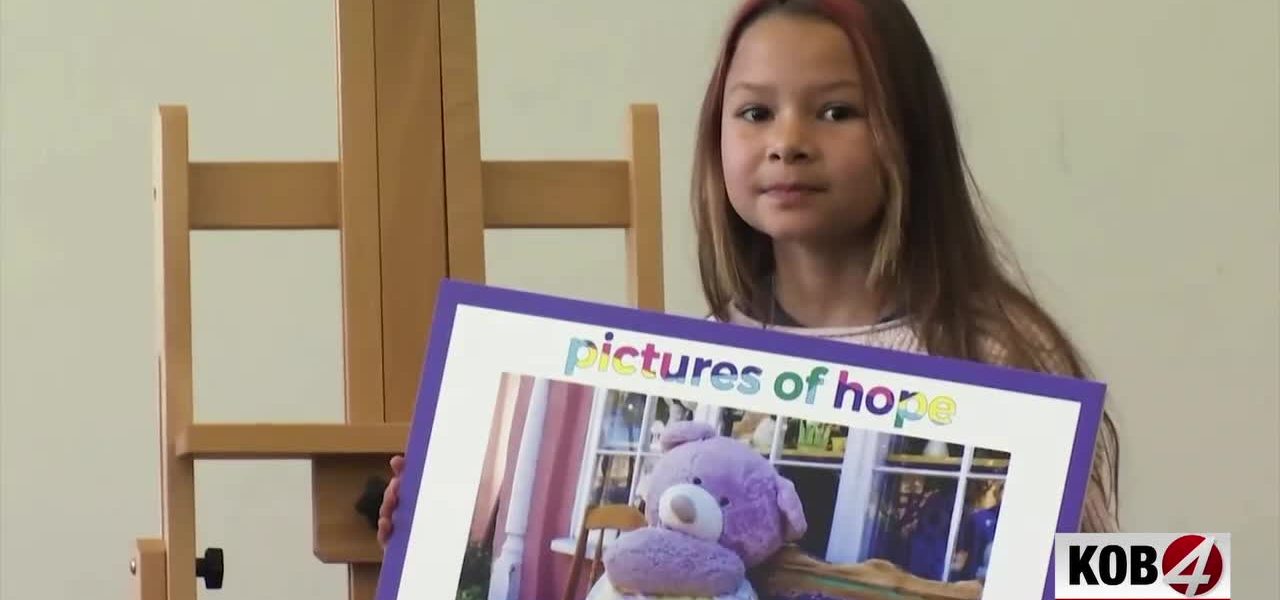
It’s all part of a recent initiative from Saranam, a local charitable organization. They linked up with photojournalist Linda Solomon. Their idea? Give digital cameras to children — and let them frame their own hopes. A powerful concept, it’s, granting agency where it’s so often stripped away. What we’re seeing here—it’s more than just a public display; it’s a direct challenge to the comfortable blindness many possess concerning childhood poverty in America. And you’d be foolish not to recognize the subtle, almost unsettling, subtext.
Saranam, with a benevolent and frankly, necessary, gesture,
Guided by photojournalist Linda Solomon, local charity Saranam gave the children digital cameras last month to take photos of their hopes and dreams.
The photographs, as poignant as they must be, are then translated into commercial offerings—a bit of an irony, don’t you think?
Saranam also printed the children’s photos on greeting cards that people can get on Saranam’s website.
So, a child’s quiet desperation, framed by a digital lens, becomes a product. One can, in theory, send a message of cheer to a loved one, printed atop the fleeting optimism of a kid who likely doesn’t know where their next safe night will be. But doesn’t that —just a little bit—feel like profiting from pain, even if the intentions are sterling?
This situation in New Mexico isn’t some isolated anomaly, though. Far from it. Across the United States, children’s lives are routinely derailed by the sudden, savage onset of homelessness. For context, the National Center for Homeless Education (NCHE) reported that 1.2 million homeless students were enrolled in public schools during the 2020-2021 school year. That’s a staggering figure, often hidden in plain sight. They’re our neighbors’ kids, yours — and mine, experiencing upheaval on a scale that beggars belief. And they’re not just an American issue.
Because while we might point to local charity and photographic initiatives, the harsh reality is this is a global crisis, an economic fallout that disproportionately impacts the youngest amongst us. Think about the sprawling megacities of South Asia—Karachi, Dhaka, Mumbai. Kids there, often barely surviving, grapple with parallel realities, striving for something, anything, resembling hope amidst grinding poverty. Whether it’s in the shadows of Albuquerque’s unassuming cityscape or the bustling, impoverished alleyways of Pakistan, the longing for stability and a future—a dream—remains a universal, deeply human, impulse. These efforts, noble as they’re, often just scratch the surface of a much, much larger wound.
What This Means
The Albuquerque photo project, while undeniably powerful in its immediate impact and public awareness capabilities, illuminates a deeper, more troubling systemic truth. It suggests, however subtly, a policy vacuum where society, rather than preemptively shoring up safety nets, resorts to documenting the consequences of their failure. The act of giving children cameras, while cathartic for the individuals involved, doesn’t address the structural forces driving family displacement in the first place.
And when those raw expressions of hope are commodified into greeting cards, however well-intentioned, it inadvertently skirts dangerously close to a feel-good public relations exercise for a problem that demands ruthless, unflinching policy intervention. It’s the equivalent of praising a firefighter for rescuing a family, without questioning why their house was so flammable to begin with.
Economically, persistent childhood homelessness represents a direct drain on future productivity and a heavy burden on social services. Education disrupted, health compromised, mental well-being fractured—it creates a cohort of citizens perpetually struggling against adversity. This isn’t a unique challenge to New Mexico. For many struggling families in places like Pakistan, whose precarious economic stability can often hinge on regional geopolitical shifts, like the financial ripples emanating from the Persian Gulf, a single crisis can trigger catastrophic consequences for children. This interconnectedness—the echoes of domestic failure resonating with global instability—makes these small gestures, while touching, a fleeting counterpoint to an escalating challenge. It also provides a stark, unspoken commentary on a social contract that often leaves its most vulnerable citizens without a voice, only a camera lens. Perhaps the next step isn’t just to take their pictures, but to build them homes. And then, maybe, true hope won’t need to be so aggressively manufactured. It’ll just be there. Just a thought.
But that’s an issue for policymakers to grapple with, both in Albuquerque and beyond, as the economic undercurrents continue to pull at the fringes of stability globally. You can find more on the complex geopolitical and economic factors impacting vulnerable populations, even those far from New Mexico, at Policy Wire’s ongoing coverage of the Gulf quagmire. The question remains, what happens after the cameras are put away? What becomes of those fleeting dreams?