


Painted Dreams and Harsh Realities: Albuquerque’s Children Unmask Systemic Failures
POLICY WIRE — ALBUQUERQUE, N.M. — In a city boasting burgeoning tech hubs and aspirational real estate—a slice of the modern American dream, supposedly—some of its youngest inhabitants are busy...

POLICY WIRE — ALBUQUERQUE, N.M. — In a city boasting burgeoning tech hubs and aspirational real estate—a slice of the modern American dream, supposedly—some of its youngest inhabitants are busy dreaming of much more fundamental things: a bedroom, a steady meal, or simply a safe space to be themselves. This stark juxtaposition isn’t hidden away in a policy paper; it’s currently on display, framed and hung, courtesy of children experiencing homelessness who’ve armed themselves with digital cameras and a story to tell.
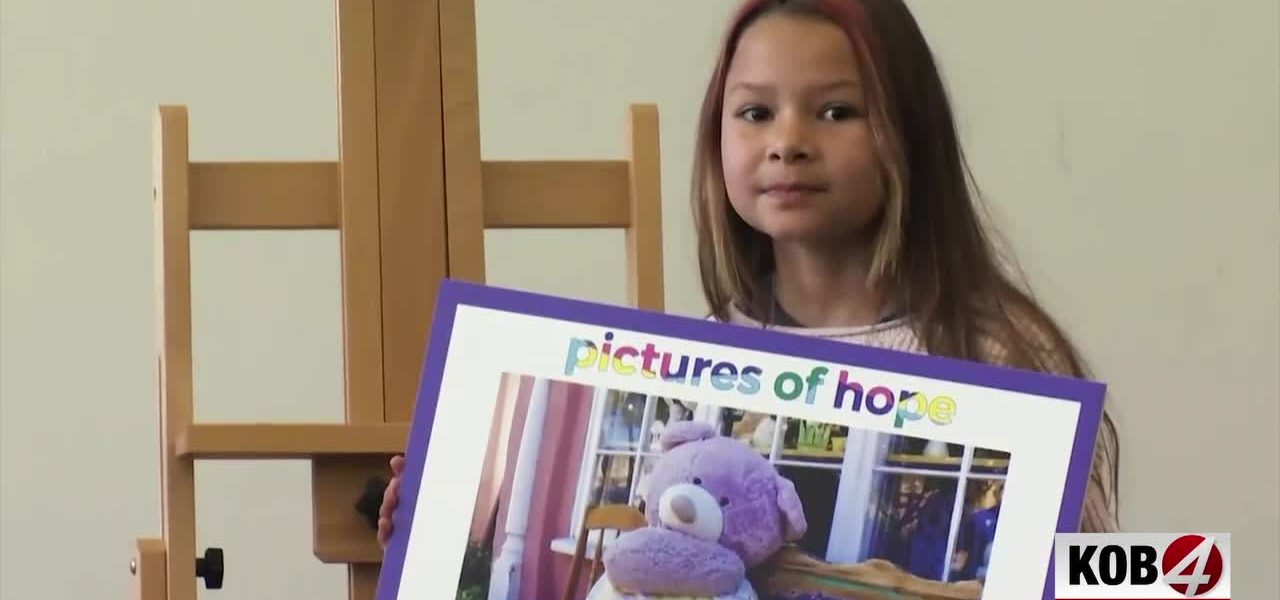
It wasn’t a PR stunt by some well-funded municipal department, mind you. This was the work of Saranam, a local charity, partnering with photojournalist Linda Solomon. They gave these kids cameras, months back, told them to shoot their hopes, their fantasies, their deepest desires. The result? A public exhibition dubbed ‘Pictures of Hope.’ One might call it art. Others might see a damning indictment, quietly mounted for public consumption.
“These children remind us that hope isn’t a commodity; it’s a defiant spark,” stated Albuquerque’s Mayor Patricia Sanchez, addressing the initiative’s unveiling with a gravity that seemed to transcend the usual political boilerplate. “We’re failing them, yes, but they aren’t failing themselves. Their resilience—it’s something we as adults struggle to match.” She made it sound like a pep talk, not an admission of a spiraling social crisis, which it inherently is. Because, frankly, a project like this, while deeply meaningful to the kids involved, shouldn’t need to exist.
And yet, it does. According to a 2022 report from the National Center for Homeless Education, nearly 1.2 million public school students nationwide experienced homelessness. That’s a stark figure, a raw number that often gets buried beneath political talking points — and budget debates. This project doesn’t bury it; it frames it, literally, for everyone to see.
The pictures are raw. Unfiltered. A messy kitchen table. A well-loved teddy bear. A patch of blue sky visible through a grimy window. Ordinary things, transformed into symbols of extraordinary yearning. You can even buy greeting cards featuring the kids’ photographs, Saranam’s website quietly notes. A transaction, a memory, a subtle nod to charity instead of structural reform.
But the sheer scale of children living without stable roofs isn’t confined to American suburbs or city streets, either; look to post-flood Pakistan, where displacement numbers eclipse entire European nations, and you see the same innocent eyes, the same resilient spirit—and the same desperate need for structural change, not just symbolic gestures. Our local struggles, profound as they’re, echo globally.
Dr. Amir Rashid, CEO of the National Alliance to End Homelessness, didn’t mince words. “One would think an industrial nation of our stature could prevent this widespread tragedy, yet here we’re,” he mused, with that weary cadence of someone who’s seen it all too many times. “Art helps, undoubtedly. It gives voice. But policy, real, hard-nosed policy, is what truly transforms the streets from a dormitory into a home for every child. We’re still playing catch-up, decades behind where we should be.” And he’s not wrong.
What This Means
The ‘Pictures of Hope’ project, while ostensibly a feel-good story, pulls back the curtain on persistent, uncomfortable truths about American society’s social contract—or its breakage. Politically, it represents a soft, palatable way for local leaders to acknowledge a crisis without committing to the truly sweeping policy changes required. It’s excellent optics, offering a narrative of resilience where perhaps a narrative of failure is more apt. You see the children, you see their dreams, you feel good—and you might momentarily forget that the systems meant to protect them are largely failing. Policy makers, after all, have a knack for looking the other way.
Economically, the exhibition highlights the massive human potential left untapped, and worse, actively eroded, by childhood homelessness. These kids, if provided stable environments, are tomorrow’s innovators, workers, — and taxpayers. Instead, a disproportionate number face lifelong struggles, increased health risks, and barriers to education and employment—a heavy future burden for public services. Charities like Saranam pick up the pieces, doing necessary, valuable work. But charity isn’t a substitute for governmental responsibility, nor can it scale to solve the crisis on its own. We’re investing pennies today while accruing deficits in human capital that will cost fortunes down the line. It’s an unforgiving arithmetic, as plain as the numbers themselves. And it’s on us to fix it, beyond merely admiring a child’s snapshot of a hopeful, distant tomorrow.