


Launchpad Inferno: Blue Origin’s Blown-Up Ambition Ignites Geopolitical Questions
POLICY WIRE — Cape Canaveral, Florida — It wasn’t the roar of ascension everyone expected. Instead, a flash of fire and a cloud of debris marked a sudden, very grounded end for a...

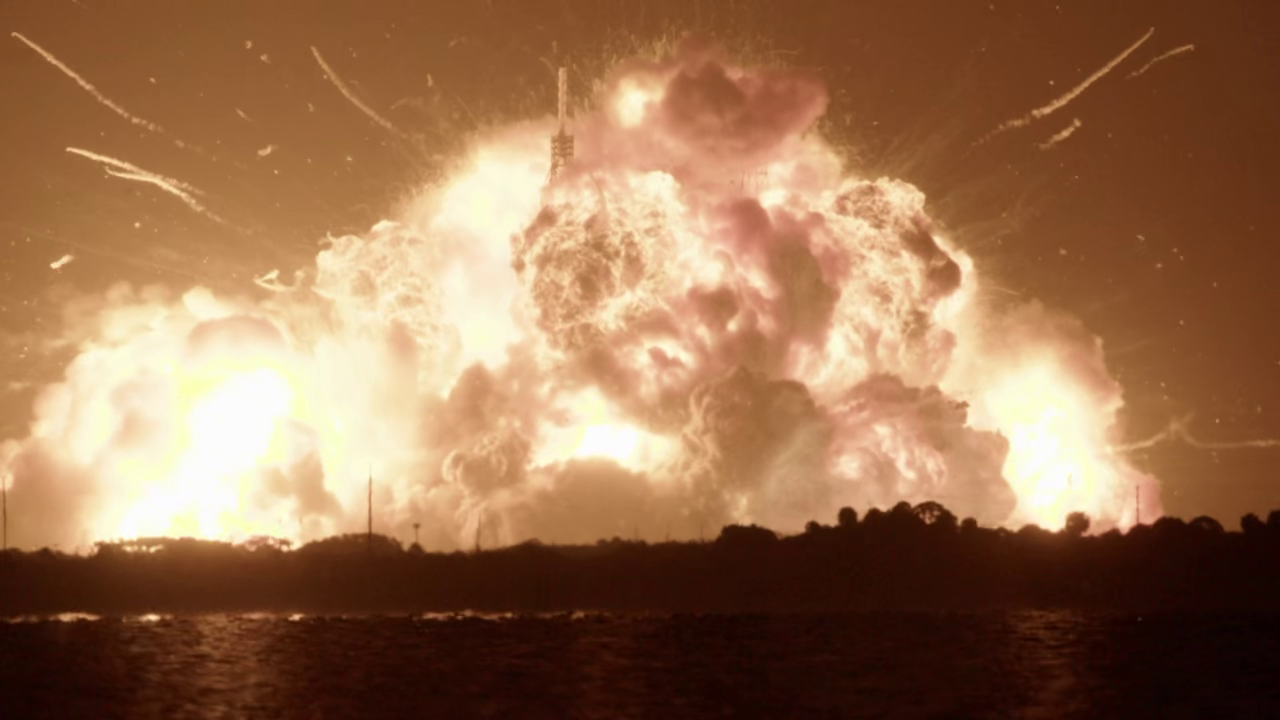
POLICY WIRE — Cape Canaveral, Florida — It wasn’t the roar of ascension everyone expected. Instead, a flash of fire and a cloud of debris marked a sudden, very grounded end for a Blue Origin rocket right there on the Florida launch pad. This wasn’t just about a billionaire’s setback; it’s a stark reminder that even with fortunes fueling them, space aspirations can vanish in smoke, shaking investor confidence and, arguably, Western technological bragging rights.
Because frankly, it’s getting harder to sell a dream when the hardware keeps deciding to spectacularly disassemble itself before it even leaves the ground. Blue Origin, Jeff Bezos’s vision for space commerce, just hit a very public speed bump that rattles the broader industry. They were all about democratizing access to space, weren’t they? Well, explosions — especially when the launch vehicle didn’t even manage a liftoff — tend to throw a wet blanket on that particular brand of optimism. It’s not just a blow to one company; it chips away at the notion of reliable, affordable space travel for all. [QUOTE_PLACEHOLDER]
Reports — not official, mind you, just murmurs and the raw footage circulating online — suggest the anomaly occurred during pre-flight checks, long before any human cargo would have been loaded. Good for safety protocols, terrible for PR. The Federal Aviation Administration, which oversees commercial space launches, will inevitably launch its own inquiry. One thing’s for certain, a senior FAA official observed recently, is that a failure to learn from incidents carries its own devastating economic burden. That much, at least, they’ve nailed.
The implications aren’t confined to Florida’s Space Coast, though. Picture countries like Pakistan, steadily building their space program through agencies like SUPARCO. They’re meticulously developing indigenous satellite capabilities and looking to partners for launch services, not always Western ones. This isn’t a theoretical exercise for them; it’s about national security, communications infrastructure, and scientific progress. When a supposedly advanced private player suffers such a spectacular mishap, it raises questions across South Asia and the broader Muslim world about the reliability of *any* third-party launch solutions, whether from the U.S. or elsewhere.
It’s a subtle but palpable erosion of confidence. Nations that rely on these launch capabilities for their own developmental satellites — for weather monitoring, agricultural assessment, even secure communications — will now add another layer of skepticism to their procurement decisions. Don’t think for a second that these explosions go unnoticed in Islamabad or Abu Dhabi. They watch, they learn, — and they weigh their options. Because for them, space isn’t just about tourism; it’s about sovereignty, regional influence, and the practical challenges of governing millions.
But the true cost isn’t just financial, nor is it merely about a temporarily singed launch tower. It’s about a nascent industry, still fighting for widespread credibility, having to contend with setbacks that play into every skeptic’s narrative. Blue Origin had big plans, didn’t they? Sending ordinary folks beyond the Kármán line. Those flights, once heralded as routine within a few years, now feel a little further out of reach. It’s not that they won’t recover — they’ve the money — but the journey just got a bit bumpier, a touch more treacherous.
And let’s be real, commercial space isn’t just a playground for the ultrarich. It’s meant to drive innovation, reduce costs, — and ultimately serve wider humanity. Each public failure, whether it’s a rocket blowing up or shipyards facing existential crises, forces a reevaluation of our industrial foundations. The space sector was supposed to be a shining example of American ingenuity, private sector driven. When that ingenuity hits the dirt — literally — it invites rivals to perhaps catch up or, at the very least, makes established partners nervous. There’s a psychological component to these failures that we often overlook, one that extends well beyond shareholder reports.
Consider the broader context: the global space race isn’t just between superpowers anymore. It’s crowded, competitive, — and full of emerging players. Any hint of fragility in the perceived leaders offers opportunities to others. The optics are crucial. For every successful SpaceX launch, there’s now this image of a multimillion-dollar contraption incinerating itself before liftoff. It’s not a pretty picture for those trying to project an image of invincibility. This isn’t rocket science, though it actually is; it’s about confidence, and confidence is a commodity that’s damn hard to rebuild once shattered.
What This Means
This incident isn’t a simple mechanical hiccup; it’s an economic — and geopolitical bellwether. Economically, it suggests increased scrutiny from investors and potentially higher insurance premiums for commercial space launches, adding to the already staggering costs. It’s going to make capital for risky ventures a little tighter, particularly for suborbital tourism that faces an inherent perception of danger. Policy-wise, regulators like the FAA might stiffen requirements, slowing down the pace of innovation that the private sector prides itself on. Politically, every failure by a U.S.-based private company hands a quiet advantage to competing space powers, be they state-backed entities or private firms in other nations. Nations from the Gulf to Southeast Asia that rely on launch providers will look more critically at diversification, perhaps tilting toward options perceived as more mature or, at least, less prone to dramatic pyrotechnics on the launch pad. It signals, subtly but clearly, that the technological gap isn’t as insurmountable as some might think.