


Ohio’s Unsentimental Sidelines: When Perfection Isn’t Enough for a Dynasty
POLICY WIRE — ATHENS, Ohio — The sun, they say, shone Thursday on Ohio University’s Ohio Field. But for one of the state’s most decorated athletic programs, a different sort of shadow fell,...

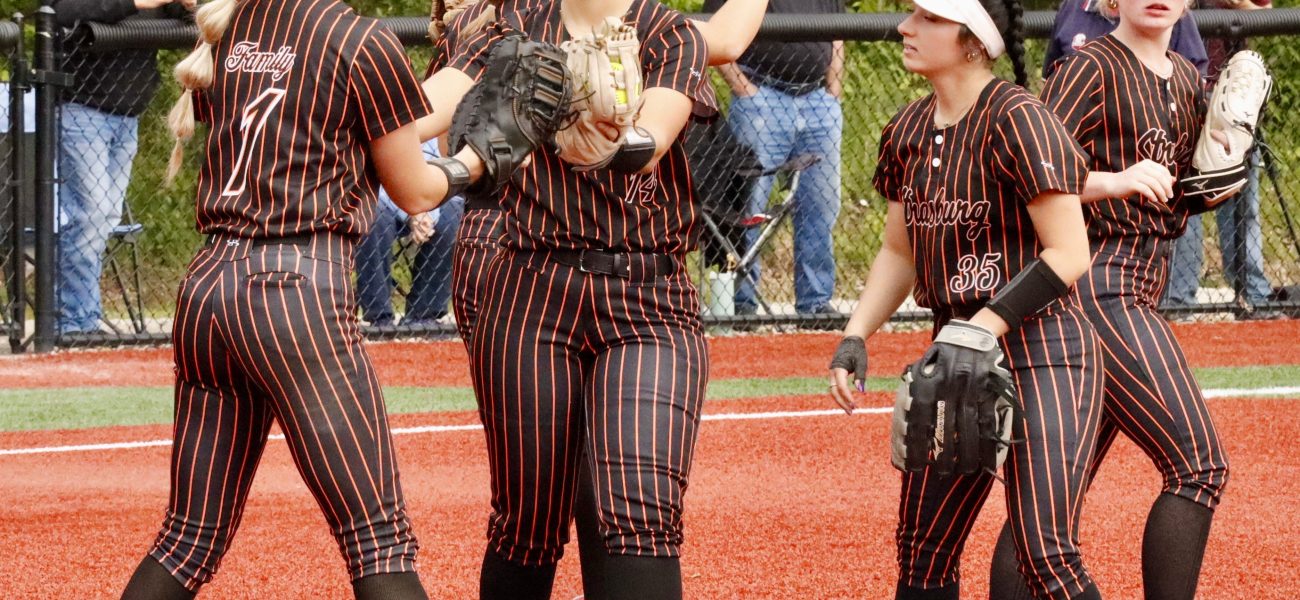
POLICY WIRE — ATHENS, Ohio — The sun, they say, shone Thursday on Ohio University’s Ohio Field. But for one of the state’s most decorated athletic programs, a different sort of shadow fell, long and heavy, over what many had long assumed was an unshakeable throne. For the first time in what feels like an age, Strasburg, the softball titans, aren’t advancing. Their two-year championship run—and with it, an entire senior class’s era of sporting supremacy—hit a sudden, jarring dead-end against Portsmouth Notre Dame in a D7 regional semifinal.
It’s not just about a game. It’s about what happens when the relentless pursuit of perfection, that intangible local pride, simply isn’t enough. When a machine that’s supposed to win, *always* win, sputters. That’s the real story from Athens.
And yes, the score was 7-2. Portsmouth Notre Dame, the defending D7 state champs themselves (a little irony there, isn’t it?), leveraged a shaky Strasburg opening. They stacked five runs in the initial frame, capitalizing on a couple of uncharacteristic errors. Tom Spidell, the Strasburg head coach, didn’t mince words later. “Absolutely (the key was the first inning), we played them square after that,” he offered, his tone likely far dryer in person. Five errors. For them? Atypical. Wildly so.
[QUOTE_PLACEHOLDER] Spidell confessed, an admission that usually stays behind closed dugout doors. Then, the kicker, that familiar lament of every coach who’s watched things slip away, unbidden, unexplained: “I wish I had an answer for that first inning.” But don’t we all wish for simple answers when things—expected things—don’t go to plan? We see this from corporate earnings calls to diplomatic snafus, this quest for a neat narrative that explains the messy truth.
Portsmouth Notre Dame’s pitcher, Ava Rush, tossed a complete game, fanning ten — and walking two. Her team managed ten hits to Strasburg’s seven. For Strasburg, Sofia Secrest delivered a triple and two singles, Miley Reifenschneider nabbed a double, and Olivia Spidell scored an RBI single. But it didn’t change the trajectory.
The Tigers, to their credit, didn’t fold completely. They trimmed the 6-0 lead down to 6-1 in the third, thanks to Olivia Spidell’s RBI. But Portsmouth Notre Dame extended their lead in the fourth, making it 7-1. Even a late seventh-inning walk, a single, and a throwing error to score Keagyn Kramer felt less like a rally and more like the universe just offering a parting nod to the dying clock.
Because the real narrative here wasn’t about errors or hits. It was about an ending. An exit for seven seniors – Olivia Spidell, Miley Reifenschneider, Ella Gilkerson, Sofia Secrest, Keagyn Kramer, Caradi Hartline and AJ Sundheimer. They depart, two state crowns in softball (2023, 2024) tucked into their collective belts, plus a state basketball championship. They’re legends. But even legends face a final chapter. The team finished its season at 21-8, an enviable record for almost anyone else. But here, in this town, it’s not just a record; it’s a statement, — and one they didn’t want to make.
📄 POLICY WIRE WHITEPAPER PUBLISHED: PAKISTAN'S NATIONAL SECURITY POLICY PRIORITIES
👉 READ BY CLICKING HERE“I’m proud, it just always tough when it ends this way,” Coach Spidell reiterated, acknowledging his team’s truly incredible historical performance—the all-time Ohio record for state softball titles, with a staggering ten. [QUOTE_PLACEHOLDER] A blunt, honest assessment of sports’ often-unforgiving nature. It reminds me of the pressure on athletes in places like Pakistan, where cricket isn’t just a sport but a national obsession. The burden of carrying a nation’s hopes, or even a town’s identity, can be immense. Victories are euphoric; defeats are communal heartbreak.
“When your expectations are state, and unless you get there and win it, that’s a tough expectation to have,” he said. A profound statement, not just for high school sports but for pretty much any high-stakes endeavor. And yet, this ingrained ambition won’t die. “But they know that coming in, and it’s not going to change for next year. We expect to be back at state, and we’re going to work towards that.” It’s a cyclical thing, this quest for glory, born anew with every spring.
What This Means
This regional semifinal isn’t just another game. It represents a subtle shift in the regional sporting landscape, certainly. But it also offers a potent, somewhat unsettling, policy lesson. The ‘championship or bust’ mentality, prevalent across high school sports nationwide, mirrors larger societal and even national strategic paradigms. Consider how deeply community identity, local pride, and even the local economy (think sponsorships, merchandise, attendance) become entangled with a team’s success. When a dynasty like Strasburg’s stumbles, it’s not merely a coaching adjustment that’s needed, but a community recalibration.
Economically, the impact can be understated but real. Local businesses thrive on championship runs, from boosted diner traffic to sporting goods sales. According to Statista, the U.S. high school sports market generated approximately 16.5 billion U.S. dollars in revenue in 2023. These localized success stories are micro-ecosystems of that larger market. The sustained dominance of a team becomes part of a region’s ‘brand,’ influencing everything from school district pride to collegiate recruitment pipelines. The defeat, therefore, has psychological — and symbolic ripple effects that extend far beyond the scoreboard. Just like how a major economic policy setback, say a national fiscal misstep in Dhaka or a critical project falter, can impact public sentiment and future investment decisions in profound ways, even if the direct financial loss seems contained initially. There’s always an intangible cost.
For policy makers, this is a lesson in managing expectations, something politicians rarely get right. Whether it’s managing public anticipation for infrastructure projects or projecting economic growth, the disconnect between grand ambition and real-world outcomes can be brutal. This incident, while confined to a softball diamond, reflects a micro-level example of the broader human tendency to expect perpetual ascent, and the deep, often unarticulated, pain when that trajectory flattens or dips. We want success, we expect success. What do we do when it doesn’t happen? That question resonates across state lines and across continents, influencing everything from collegiate athletic funding models to urban development strategies.