

New Mexico’s Anxious Skies: Routine Weather Masks Deeper Climate Reckoning
POLICY WIRE — ALBUQUERQUE, N.M. — It’s a recurring drama in the Land of Enchantment, playing out with the sort of weary predictability that signals deeper trouble. Another week, another set of...

POLICY WIRE — ALBUQUERQUE, N.M. — It’s a recurring drama in the Land of Enchantment, playing out with the sort of weary predictability that signals deeper trouble. Another week, another set of bulletins about temperamental skies over New Mexico. Scattered storms, yes. Gusty winds, check. Brief, sometimes heavy, rain, definitely. And small hail, just for good measure. But to frame it merely as weather is to miss the policy battles swirling beneath the cumulonimbus clouds, battles as fierce and unpredictable as any thunderstorm.
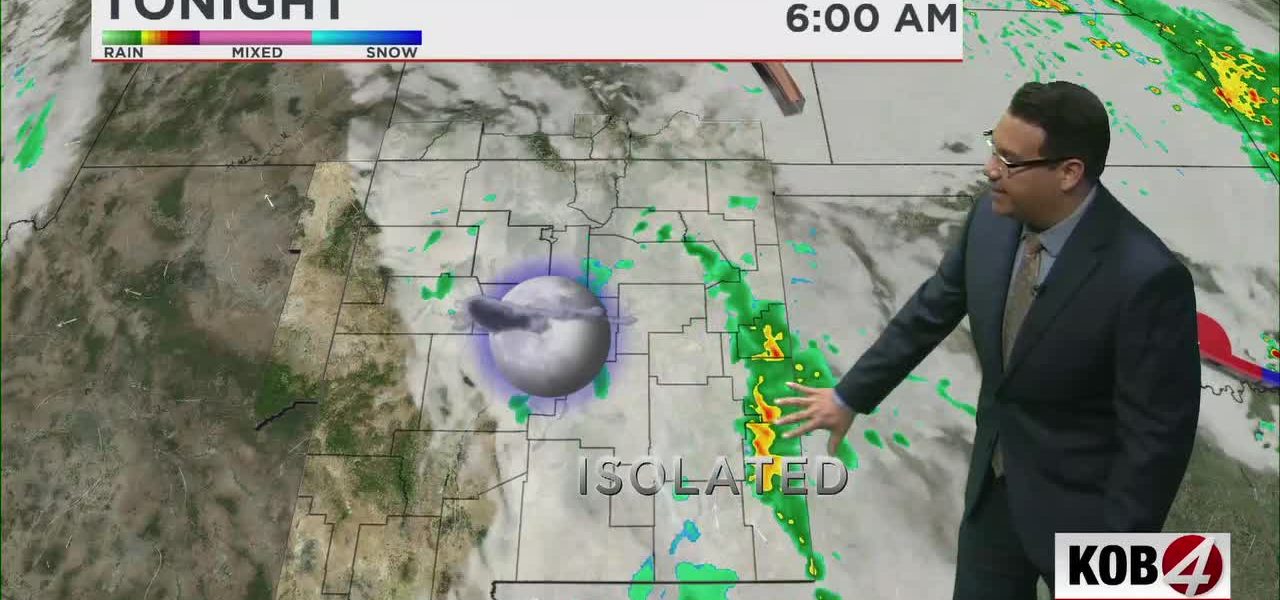
This week’s iteration has eastern New Mexico—Clovis, Portales, Roswell, Hobbs, Lovington, that whole stretch near the Texas border—bracing for more meteorological caprice tonight. The forecast talks of disturbances. Weak ones, they say. Don’t believe it. In a state perpetually dancing on the edge of aridification, no disturbance is truly weak; it’s always a bellwether, a tiny tremor before the bigger quakes. And just west of the state’s rugged central mountains? Dry, breezy, and mild conditions—the kind that lull you into a false sense of security before the wildfires start.
It’s not just the immediate atmospheric pressure systems causing consternation, mind you. But it’s the quiet, existential hum of climate change making every single one of these forecasts feel like a slow-motion unraveling. Think about it: a seemingly benign Friday forecast warns of much windier conditions out west—Farmington, Gallup, Albuquerque all seeing gusts up to 45 mph. Low humidity, dry fuels. Those aren’t just statistics, are they? That’s kindling. It’s a state already prone to devastating blazes holding its breath. The stakes are immense, but often unspoken.
“We’ve got to adapt. It isn’t just about tomorrow’s forecast; it’s about shifting rainfall patterns and securing our future resources,” Governor Michelle Lujan Grisham told Policy Wire last year, her voice edged with a conviction forged by consecutive years of environmental crises. “That’s a political mandate, plain — and simple.” And she’s right. The state isn’t just managing weather; it’s navigating an entirely new climate paradigm.
Because every droplet, every gust, every dry day dictates agricultural yields, tourist dollars, and critically, urban water security. It’s a resource chessboard, — and New Mexico is always playing with fewer pieces. Jeff Witte, the state’s long-serving Director of Agriculture, doesn’t sugarcoat it. “Farmers aren’t just watching the sky for rain; they’re watching for policy. Every drop counts, and unpredictable patterns—they make planning a nightmare, year after year,” he observed, pointing to federal allocations and state mandates for water conservation.
Overnight temperatures are expected to cling to May’s historical averages, a rare whisper of normalcy in an otherwise unpredictable pattern. But even that normalcy is fleeting. Friday brings lingering moisture to the far east, meaning another go-around with afternoon — and evening thunderstorms. The threat of strong, severe storms with large hail — and damaging winds is explicitly noted. This isn’t just about getting caught in a downpour; it’s about power grids, flash floods in desert arroyos, and crops being battered before they even reach maturity. It’s an economic pulse point, twitching with every shift in wind direction.
📄 POLICY WIRE WHITEPAPER PUBLISHED: PAKISTAN'S NATIONAL SECURITY POLICY PRIORITIES
👉 READ BY CLICKING HEREPolicy analysts sometimes lose the thread, focusing on grand geopolitical shifts while ignoring the localized tremors that dictate daily life. But the truth is, the two aren’t separate. The struggle here to manage diminishing water supplies, to brace against increasing aridity and erratic weather—it’s a microcosm of challenges faced in many vulnerable regions across the globe. Just last year, officials in Lahore were grappling with record-breaking heat waves that decimated crops and threatened urban centers. Their concerns aren’t so far removed from those on the outskirts of Albuquerque.
The numbers themselves tell a stark story. Consider this: New Mexico has witnessed an approximate 2°F rise in its average annual temperature since the 1970s, according to data from the U.S. Environmental Protection Agency (EPA). That might not sound like much on a single thermometer, but it reconfigures entire ecosystems, intensifies droughts, and primes the landscape for wildfire.
What This Means
These persistent weather patterns aren’t just daily news; they’re a recurring political and economic referendum on adaptation. Each storm, or lack thereof, highlights the state’s ongoing policy vacuum when it comes to truly proactive, rather than reactive, climate resilience. Federal dollars, often parceled out after disaster strikes, barely cover the systemic investments needed to truly gird communities against such volatile shifts. For a state like New Mexico, where water rights are as old and contested as the desert itself, every drop is already politically charged. Unpredictable deluges, followed by punishing aridity, exacerbate these conflicts. The agricultural sector, in particular, finds itself squeezed between rising operational costs and volatile yields, while insurance markets become increasingly fraught. It’s a subtle but relentless drain on state coffers, diverting funds from education or infrastructure to emergency response. It creates a perpetual state of administrative triage, which isn’t just exhausting, but it’s unsustainable. The tacit expectation for local communities to shoulder the brunt of this climate adjustment—without corresponding, robust policy frameworks—only defers a much larger reckoning.