

Rio Grande Pact Ends Decades-Long Spat, But Nature Holds the Final Card
POLICY WIRE — Washington, D.C. — For more than a decade, lawyers and policymakers in two southwestern states have brawled over an invisible asset: the water lurking beneath the Rio Grande. But now,...

POLICY WIRE — Washington, D.C. — For more than a decade, lawyers and policymakers in two southwestern states have brawled over an invisible asset: the water lurking beneath the Rio Grande. But now, it seems the federal high court has simply tired of the fracas, rubber-stamping a deal meant to pull a political thorn from America’s arid gut. It’s a technical win for the litigators, maybe, but the actual river, increasingly barren and parched, isn’t waiting around for court orders or negotiated peace treaties.
The U.S. Supreme Court finally, decisively, approved a settlement over water in the Rio Grande that ends a 13-year fight with Texas. Think about that for a second—thirteen years of filings, counter-filings, arguments, and public pronouncements, all for something Mother Nature might soon render moot. This accord resolves the long-running Texas v. New Mexico and Colorado case, an intricate legal dance that kicked off when Texas pointed fingers, alleging that its upstream neighbor had gotten a bit too free-and-easy with the groundwater supplies resting below Elephant Butte Reservoir. New Mexico, it was claimed, overused groundwater.
And what’s it all mean for the folks living along those thirsty stretches? Well, depending on who you ask, it’s either salvation or just a temporary Band-Aid. Gov. Michelle Lujan Grisham didn’t waste any time trumpeting the perceived benefits, stating, “This settlement means farmers in the Lower Rio Grande can plan for the future, communities have certainty about their water supply and New Mexicans aren’t on the hook for a liability that could have cost billions.” Billions, indeed. Attorney General Raúl Torrez, echoing the sentiment (and no doubt feeling a distinct weight lifted from his own shoulders), underscored the escape from a potential fiscal catastrophe. “Had this case continued and the Court ruled against us, New Mexico taxpayers could have faced billions of dollars in liability to Texas.”
But let’s be real. That relief comes with an unspoken asterisk, because even the best legal document can’t conjure rain. This agreement—this celebrated, hard-won peace—mandates the state will keep working in the Lower Rio Grande on water management, conservation, stronger data and monitoring and long-term aquifer sustainability with local water users and communities. It also creates a new water accounting framework. Sounds like a good plan, on paper. But as countless South Asian nations, forever locked in intricate, often hostile negotiations over transboundary rivers like the Indus or the Ganges, could attest, formal agreements often struggle against the brute force of a changing climate. The quiet dance of bureaucracy can only do so much against the rising heat.
The core of the initial lawsuit? It sprang up after farmers in southern New Mexico turned to groundwater to irrigate their orchards — and crops. Texas saw that as a direct siphon, arguing the practice was cutting into water deliveries for farmers and residents in El Paso. You can’t blame either side for trying to protect its slice, but it’s a zero-sum game when there’s not enough to go around. But here’s the rub: While the legal fight over rights has reached a settlement, the challenge to deliver water amid drought conditions remains an ongoing problem for cities and farmers across the region. And that’s a brutal truth that no judge can decree away.
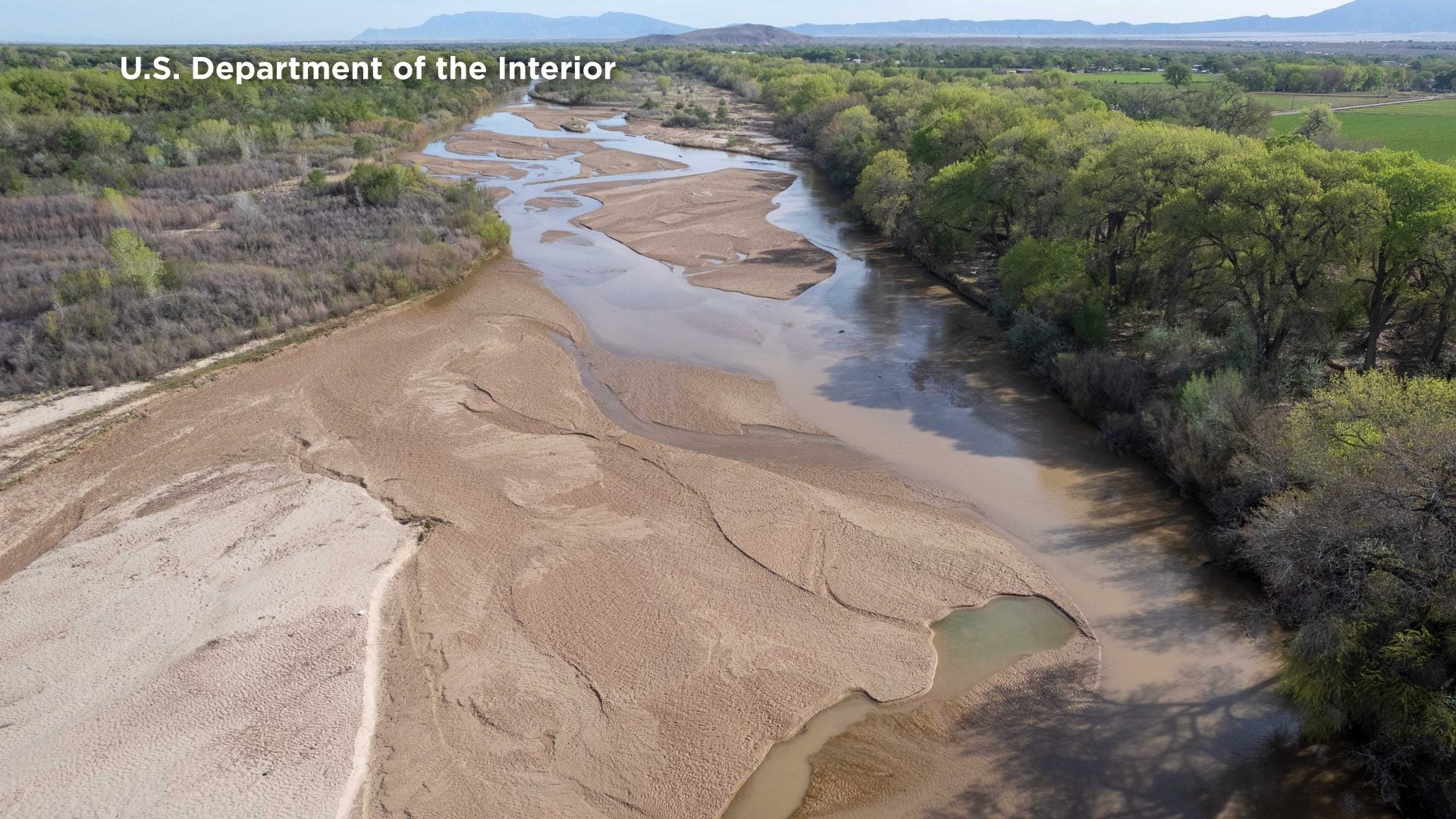
The evidence, you ask? The Middle Rio Grande Conservancy District already said the river is experiencing historically early dry conditions this year. This isn’t just about semantics or a bad season. It’s a systemic, harrowing shift. Because of it, the river is expected to dry up as far north as Albuquerque once again this summer. Just chew on that for a second. An entire stretch of river, vanishing. Even in Europe, record temperatures and a melting dream have made water, or the lack of it, a political weapon.
What This Means
Politically, this settlement allows both states to exhale a bit. It’s a pragmatic capitulation to avoid a truly ruinous court decision, freeing up resources that would otherwise be funneled into litigation. But it’s no silver bullet for the climate crisis that stalks the American West—or, frankly, most of the globe. Economically, New Mexico’s taxpayers dodge a potentially crippling financial burden running into billions. That money, if managed wisely, could be reinvested into real, tangible infrastructure for water conservation and efficiency. That’s a good thing, you know? The problem, however, lies in the underlying environmental reality: you can meticulously account for every drop, but if the drops aren’t there, no amount of paperwork will fix it. And that, in an era of escalating droughts and historic heat waves, makes any long-term planning an exercise in existential dread. A framework is good; water is better.
The truth is, these water battles, while seemingly resolved on paper, merely shift the battleground from the courtroom to the riverbank itself, where communities are forced to confront the harsh arithmetic of an increasingly scarce resource. It’s a sober reminder that for all our sophisticated legal systems, the most fundamental negotiations are still with nature itself—and she rarely takes no for an answer.