


The Price of Ambition: How a Single Transfer Reshaped the Premier League Power Play
POLICY WIRE — London, UK — For a while now, English football has been less a sport and more a high-stakes, globally televised game of economic poker. Teams aren’t just competing on the pitch;...

POLICY WIRE — London, UK — For a while now, English football has been less a sport and more a high-stakes, globally televised game of economic poker. Teams aren’t just competing on the pitch; they’re in a relentless race for talent, influence, and the sheer audacity of financial display. Forget the trophies for a moment; the real message often gets delivered with a wire transfer, a massive fee, and a new face smiling for the cameras.
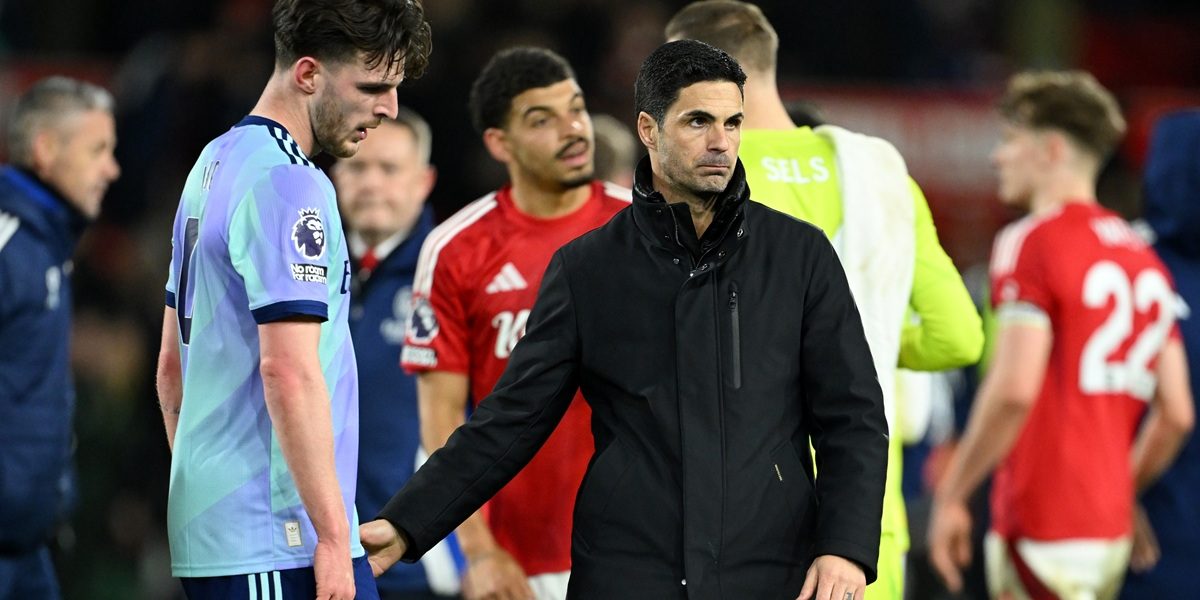
It’s that seismic ripple, the silent roar of an astronomical spending spree, that Mikel Arteta, the shrewd tactician overseeing Arsenal, recently pointed to as a defining moment for his club. It wasn’t about the number of goals Declan Rice scored, or how many tackles he crunched in—though he did plenty of both, make no mistake. No, according to Arteta, the decision to splurge for the midfielder in the summer of 2023 was a signal. A very loud, very clear one.
“It was a big moment,” Arteta told ESPN, reflecting on the nearly record-shattering fee for the West Ham captain. “We’re constantly sending messages, whether we want to or not—to the people in the organisation, to the supporters, to our opponents. And that was a strong message.” It really was, wasn’t it? Arsenal hadn’t just bought a player; they’d bought intent. They’d bought a stake in the league’s top table conversation, pushing their chips firmly into the centre. Before this, they were good. Now, they were undeniably a threat.
Because, as Arteta so succinctly put it, the transfer essentially declared: “We’re here to go another level, we’re on another level financially, we’re on another level with the ambition of the players we recruited, the profile of the players. And I think a big club needs to make that sort of statement.” And statement made. Rival managers, naturally, had opinions. “You can’t ignore it, can you?” chuckled a coach from a prominent rival, speaking off the record but plainly referencing the expenditure. “They’ve essentially doubled down on what everyone already suspected: money talks, especially when you’re buying a player already in the Premier League. It just raises the stakes for the rest of us, doesn’t it?”
Rice’s move to the Emirates — fresh off captaining West Ham to a European trophy — wasn’t merely a squad improvement; it was a gauntlet thrown. He arrived as a finished article, someone who’d already cut his teeth, ready to elevate an ambitious but, crucially, trophy-starved side. He slotted in, became the linchpin, the engine, proving the hefty investment wasn’t just PR. It was precision.
This kind of mega-transfer, of course, isn’t just about English football. It’s a global spectacle. The Premier League’s brand travels further than any political ambassador could hope to. It captivates audiences from Lahore to Kuala Lumpur, drawing billions of eyeballs. Think of a family huddled around a crackling TV in Karachi, avidly watching these games unfold. They’re not just witnessing a football match; they’re engaging with a narrative of immense wealth, elite performance, and seemingly limitless ambition. It’s a testament to the league’s global draw, shaping cultural conversations across diverse regions.
These massive deals – — and their accompanying messages – filter through the sports economy like an invisible dye. They raise broadcast rights, sponsorship values, and, inevitably, the financial demands of other players. In 2023, the cumulative spending by Premier League clubs soared past £2.36 billion ($3 billion USD) for the summer window alone, a figure independently verified by Deloitte’s Sports Business Group. That’s a staggering sum, indicating not just intent from clubs like Arsenal, but a full-blown arms race for on-field supremacy, fueled by global broadcasting deals and eager investors. It’s almost comical how much clubs are prepared to spend just to *tell* everyone they’re serious.
What This Means
This isn’t just about Arsenal chasing a trophy; it’s a window into the broader economics of elite global sport. When a club makes such a high-profile, high-cost move, it sets a new baseline for competitive expenditure, distorting transfer markets across Europe and even affecting talent pathways in smaller leagues. It intensifies the financial pressure on every other top-tier team, forcing them to either match the spending or innovate aggressively—often with less capital. these transactions are a soft power play, cementing the Premier League’s status as a global entertainment product and a significant driver of tourism and cultural exchange. They pull in fans from the far corners of the earth, from bustling cities in South Asia to distant African villages, each transfer generating renewed buzz. The message articulated by Arteta isn’t just for rivals on the field; it’s a global declaration of a club’s financial health and its boundless ambitions, setting expectations for stakeholders everywhere.
The Declan Rice transfer wasn’t merely good business for Arsenal; it was a stark reminder of who controls the narrative in modern football. It’s the clubs willing to put their money where their ambition is. And right now, few are yelling as loudly as Arteta’s Arsenal.