

Billion-Dollar Brawls: The High Stakes of Baseball’s Latest Labor Chess Match
POLICY WIRE — New York, USA — It wasn’t the searing Arizona heat nor the chilly San Francisco breezes that set the real tension across Major League Baseball this week. No, while Paul Sewald...

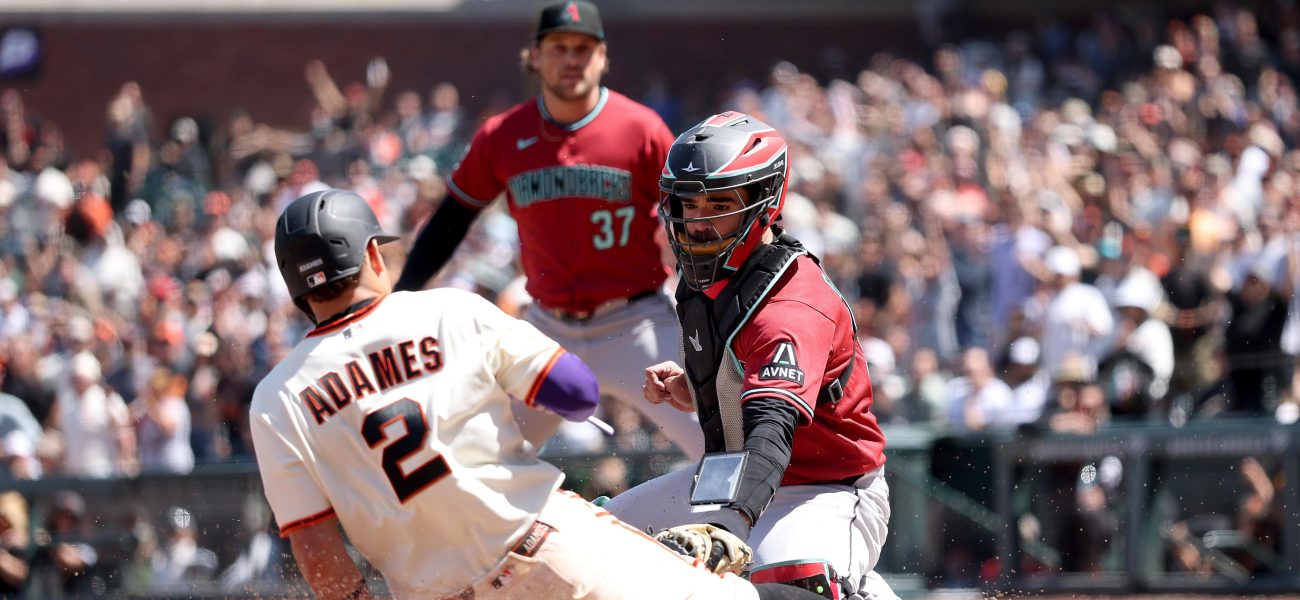
POLICY WIRE — New York, USA — It wasn’t the searing Arizona heat nor the chilly San Francisco breezes that set the real tension across Major League Baseball this week. No, while Paul Sewald closed out a hundredth career save—a career nearly derailed, we’re told, by injury—and Gerrit Cole delivered another masterful performance for the Yankees, the quieter storm brewed in boardrooms. It’s the kind of dust-up that gets overshadowed by box scores, yet its fallout could reshape an industry boasting billions in annual revenue.
At the heart of it all sits the Major League Baseball Players Association’s (MLBPA) inaugural proposal in collective bargaining talks. But don’t mistake this for your grandpa’s negotiation. This isn’t just about salaries anymore; it’s a pointed re-evaluation of how wealth gets distributed in professional sports. And, honestly, it’s a battle that mirrors struggles playing out in entirely different sectors of the global economy, even ones far removed from the glitter of America’s pastime.
The MLBPA, often portrayed as a powerful union of millionaires, is really pushing back against an entrenched system. They’ve lobbed a proposal aiming to significantly boost the floor for fledgling players—the ones still battling their way up. Think a cool $1.5 million minimum salary for 40-man roster players by 2027, per their public filings. It’s a seismic shift from where things currently stand. They want clubs, particularly those sitting on cash but stingy with their payrolls, to pay a new “Competitive Integrity Tax.” It’s an ingenious-sounding stick for owners who might prefer keeping more revenue-sharing funds in their pockets rather than investing in top-tier talent. This isn’t just about paying more. It’s about accountability.
“We’re talking about securing a future for players, not just the marquee names, but every guy who grinds it out day in and day out,” remarked an MLBPA representative, speaking on background about the push for expanded arbitration and improved benefits. “They’re the engine, you know? And their career is a ticking clock. It’s high time they get a more equitable piece of the pie.” It’s a sentiment that rings true across industries, from tech start-ups to textile factories—who gets to claim the most value created by labor?
But there’s a flip side, isn’t there? Because owners—many of whom have invested fortunes and whose balance sheets carry substantial risk—tend to see things a tad differently. “Player salaries are ballooning, that’s just a fact,” one senior league executive, who insisted on anonymity due to ongoing negotiations, shared with this wire. “Every dollar added to the minimums, every extra million in luxury tax exemptions for the Dodgers, impacts our ability to compete, our ability to innovate, our ability to simply keep the doors open, especially for smaller market teams.” It’s the perennial clash: labor’s pursuit of a larger share of the profits versus ownership’s drive to contain costs and maximize returns.
This dynamic—the tug-of-war between labor aspirations and capital’s prerogatives—isn’t confined to American sports. It echoes in the clamor of developing economies, where workers, whether in construction or software, often grapple with stagnant wages while corporate profits soar. Consider the global workforce, where a diaspora of talent, including many from places like Pakistan, sends remittances home, effectively bridging massive income disparities through sheer individual effort. This MLBPA proposal, in its own rarefied context, is just another permutation of the demand for fair compensation in a hyper-capitalized world. It’s not the same scale, no. But the principle of deserving a decent return for your effort? That’s universal.
📄 POLICY WIRE WHITEPAPER PUBLISHED: PAKISTAN'S NATIONAL SECURITY POLICY PRIORITIES
👉 READ BY CLICKING HEREAnd yes, the Dodgers would save around $70 million in luxury tax under the MLBPA’s new setup, according to ESPN. It seems like a bonanza for one of the league’s wealthiest franchises. But perhaps that’s just collateral damage—or a savvy play to fracture the owners’ united front—in the quest for better conditions for the broader player base. There are significant financial levers being pulled, certainly, with profound economic implications for communities where these clubs reside. We’re talking about hometowns where stadiums are the biggest employers, outside of government. Local economies often thrive or shrivel depending on the team’s financial health.
Baseball, then, becomes a sort of microcosm, doesn’t it? A lavish arena where the eternal conflict of labor versus ownership plays out with millions of dollars and fan loyalties on the line. It’s a sport, sure. But it’s also big business, run with all the ruthless calculation of a multi-national conglomerate. Don’t let the crack of the bat fool you.
What This Means
The MLBPA’s opening gambit isn’t merely a tweak to existing rules; it’s an ambitious rewrite that signals a bolder, more assertive stance from organized labor within the sports industry. Economically, if successful, these proposals could fundamentally alter club financial strategies, pushing lower-revenue teams to either spend more or risk greater penalties, theoretically leveling the playing field talent-wise while raising the minimum wage burden. This also forces wealthy clubs to re-evaluate how they budget. But, more profoundly, this isn’t just a baseball story. This dispute reflects broader socio-economic anxieties—the widening gap between the haves and have-nots, the demand for better conditions for all workers, not just the elite few, and the persistent question of capital allocation. This push for minimums and ‘integrity taxes’ could set a precedent for other professional leagues and even extend, conceptually, to discussions on equitable wealth distribution in a globalized market—a market where unexpected slumps can create widespread uncertainty. And policy engines, it seems, are not stalling here; they’re revving up for a bumpy ride.