
Oil’s Grip Loosens: India’s Modi Gambits for Geopolitical Buffer Beyond Gulf
POLICY WIRE — New Delhi, India — It isn’t every day you see the global chessboard upended, then righted—or at least tilted anew—by a single prime minister. But...

POLICY WIRE — New Delhi, India — It isn’t every day you see the global chessboard upended, then righted—or at least tilted anew—by a single prime minister. But that’s precisely the high-stakes game New Delhi appears to be playing, not just reacting to chaos but actively attempting to shape it. The familiar tremors of the Middle East, rattling economies from Beirut to Jakarta, haven’t been lost on Indian policymakers. They’re making moves. Big ones.
Because frankly, who isn’t feeling the heat these days? Oil prices aren’t just “spiralling amid the fallout from the US-Israel war on Iran and the Middle East’s diplomatic landscape shifting beneath everyone’s feet.” They’re gut-punching developing nations, tightening budgets, and making everyone a little bit jumpy. This whole volatile mix created “what analysts characterise as a moment of acute strategic opportunity” for India. Opportunity isn’t always pretty; sometimes, it smells of crude — and desperation, but it’s opportunity nonetheless. India, as the world’s third-largest oil consumer, knows a thing or two about market jitters. Its reliance on Middle Eastern oil isn’t just an economic dependency—it’s a geopolitical anchor. A heavy one. [QUOTE_PLACEHOLDER]
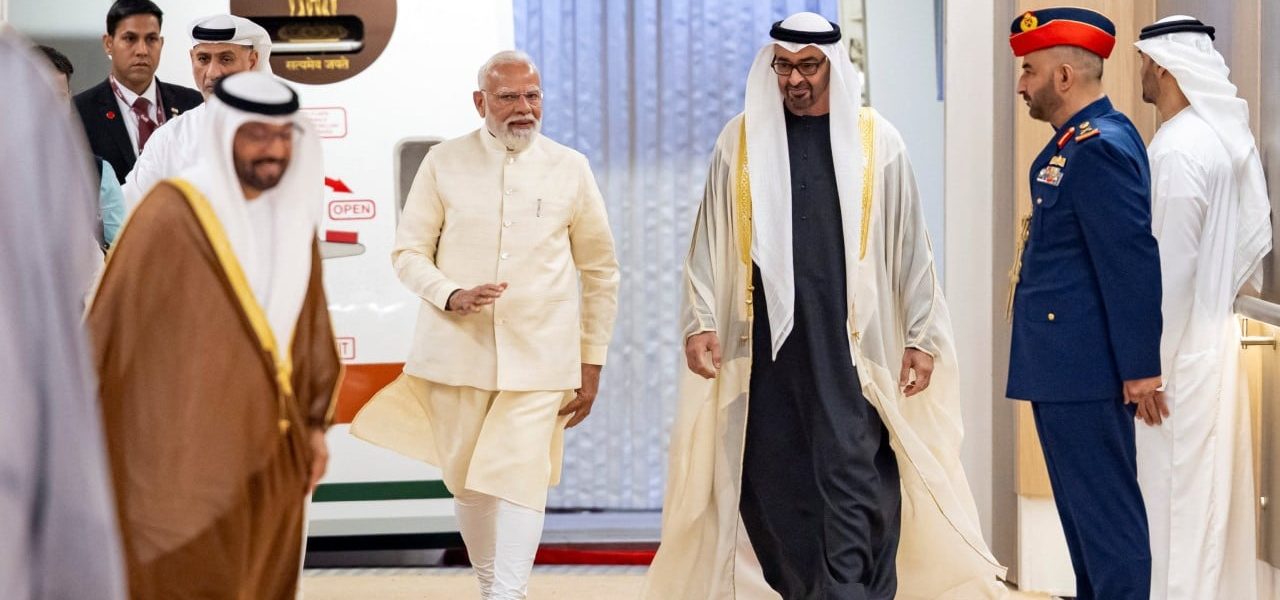
And so, we watched Indian Prime Minister Narendra Modi kick off a whirlwind diplomatic foray, hopping from the glittering spires of the United Arab Emirates to the calmer waters of Europe. This isn’t just a holiday. It’s a calculated manoeuvre to diversify influence, secure energy, and—most importantly—build redundancy. It’s about spreading the bets, hedging against future shocks that could destabilize an economy built on energy imports. And India’s economy is thirsty. Terribly thirsty. As per the Economic Survey 2022-23, India accounts for around 5% of global crude oil imports, making any volatility directly impactful on its fiscal health.
Modi’s itinerary—Netherlands, Sweden, Norway, Italy, and then back to the Gulf—tells a story of strategic recalibration. It’s less about old friends and more about new alliances, or at least strengthening economic arteries in unexpected places. The old reliable global order, the one defined by superpowers and neatly delineated spheres of influence, it’s just gone. Nobody’s got the rulebook anymore. Nations are operating on instinct, building bridges where they can, pulling back when they must. For India, it’s about ensuring uninterrupted energy flows, technological cooperation, and maybe, just maybe, subtly signaling its non-alignment in a world that increasingly demands you pick a side.
The stop in the UAE isn’t merely a stopover. It’s symbolic. While many of its neighbors—including Pakistan, navigating its own labyrinthine economic crises, grappling with systemic challenges that overshadow grand international tours—struggle to project influence, India is cementing its bond with a rising regional economic powerhouse in the Muslim world. The Gulf states, traditionally suppliers of oil — and capital, are themselves looking to diversify beyond hydrocarbons. India’s burgeoning market, its tech prowess, — and its sheer demographic scale are appealing. They’re looking for partners, not just customers. But what about the noise coming from Tehran? The constant thrum of tension with Washington? That stuff could, you know, matter. A lot.
Modi brought with him not just diplomatic pleasantries, but real intent. Trade deals, energy pacts, technology exchanges—the works. This isn’t just about handshake photos. It’s about securing raw materials and technological partnerships for India’s growth engine, which hums louder every year. You can’t build an economic superpower on shaky ground, and India’s leadership understands that the Middle East, despite its petrodollars, is just too often shaky. It’s not about abandoning the old guard, it’s about not putting all your eggs in one fiery basket. Call it hedging, call it pragmatism—it’s a necessity in a truly unruly global scene. This trip isn’t just good foreign policy; it’s an insurance plan for the future. And a fairly ambitious one at that.
What This Means
This flurry of diplomatic activity by India carries significant implications for regional — and global power dynamics. Economically, India’s outreach to European energy providers and technology hubs, coupled with bolstered ties in the Gulf, represents a savvy maneuver to cushion itself against the volatility endemic to the fossil fuel markets. It’s a proactive de-risking strategy for a nation whose growth trajectory is heavily energy-dependent. Less reliance on single-source energy translates into more domestic stability, which in turn offers political capital.
Politically, the tour cements India’s position as a player that operates across traditional blocs, refusing easy categorization. It’s deepening engagements with NATO-allied European states while simultaneously cultivating robust bilateral relationships within the Muslim world, specifically the Gulf. This multipolarity underscores India’s evolving strategic autonomy. It tells China and the West alike: India has its own interests, and it’s quite capable of pursuing them through diverse, sometimes seemingly contradictory, alliances. The implicit message is clear: India isn’t simply consuming global goods and services; it’s becoming a co-architect of new supply chains and geopolitical alignments. For a nation that for decades pursued ‘non-alignment,’ this is a twenty-first-century twist on an old concept: active alignment with everyone who offers a tangible benefit. It’s a messy, but potentially very rewarding, gambit.