


Asia’s Airlines Face Fiscal Turbulence as Jet Fuel Costs Soar, Risking ‘Spirit Airlines’ Scenarios
POLICY WIRE — Singapore — The romantic hum of jet engines over Asia’s sprawling cities might soon give way to the silence of grounded fleets, not due to volcanic ash or a sudden viral fright, but the...

POLICY WIRE — Singapore — The romantic hum of jet engines over Asia’s sprawling cities might soon give way to the silence of grounded fleets, not due to volcanic ash or a sudden viral fright, but the prosaic crunch of ledger sheets. It’s not just a rough patch; we’re talking about a genuine struggle for solvency, a situation where the cost of keeping planes in the air has reached dizzying, unsustainable altitudes. Imagine a world without the convenience of low-cost flights across the subcontinent, without easy connections for pilgrims heading to Mecca—that’s the spectre haunting the Association of Asia Pacific Airlines (AAPA).
Just last month, Wong Hong took the reins at the AAPA, a sort of grim captain on a vessel battling a perfect storm. His immediate prognosis? Grim. Very grim. Jet fuel prices haven’t just nudged up; they’ve more than doubled, transforming routine operational costs into existential threats. We’re talking about an industry still limping from global lockdowns, an industry that’s supposed to be reconnecting the world, not contemplating its own quiet dissolution. [QUOTE_PLACEHOLDER]
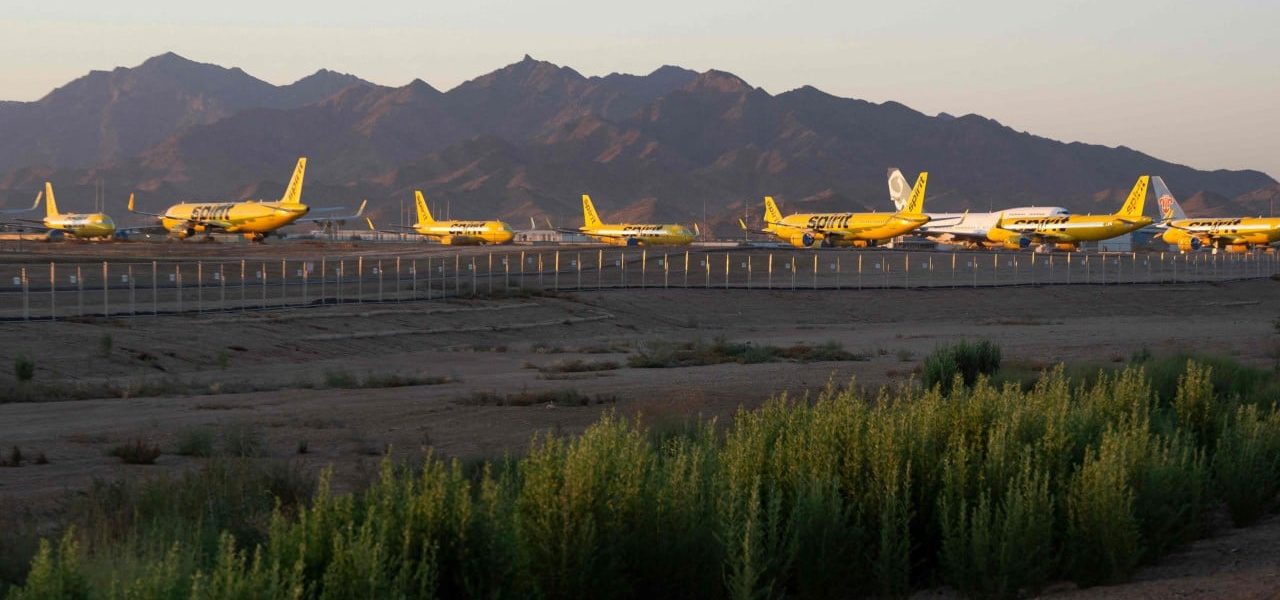
And what’s the solution proposed by the man in charge? Government intervention, plain — and simple. Wong Hong made it pretty clear that various airlines, depending on their individual situations, require a medley of support. Some will need a cash injection, sure. But others might simply need the breathing room to scale back their operations without facing a bureaucratic or financial backlash. You see, the fear is an ‘extinction event’ that could mirror the struggles of carriers like US-based Spirit Airlines—a comparison that isn’t made lightly. The very mention of such a name here sends a shiver down the spine of industry watchers, suggesting a fate that, frankly, nobody in this sector wants. And governments, for their part, must surely recognize that. A national flag carrier isn’t just a business; it’s a statement.
The implications of this potential air travel upheaval could hit harder in places like Pakistan, a country that relies on air links for everything from critical trade to the diaspora’s remittances. Pakistan International Airlines (PIA), despite its checkered past, remains a symbol of national connectivity—a conduit for a vast global network of Pakistanis. Any widespread disruption to affordable regional air travel doesn’t just affect the middle classes heading for a beach holiday; it impacts countless families sending money home, students pursuing education abroad, and businessmen forging deals. The airline sector’s stability isn’t just economic; it’s deeply social and cultural, especially for nations within the broader Muslim world with strong transnational ties and pilgrimages that require easy, affordable air access.
But let’s be real: governments across Asia already have their plates full. After funneling enormous sums into economic relief during the pandemic, the coffers aren’t exactly overflowing. And while direct financial assistance is certainly on the table, it’s a bitter pill. But what’s the alternative? Allowing major air carriers—private or state-owned—to flounder or go belly-up? It’s a calculated risk, a cost-benefit analysis where the ‘cost’ of doing nothing could be far steeper than initial rescue packages. One recent analysis from the International Air Transport Association (IATA) projected that Asia-Pacific carriers would lose $9.6 billion in 2022, a pretty stark number confirming the dire straits facing the industry.
Because ultimately, these airlines don’t just ferry people. They’re intricate parts of national economies, providing employment—directly and indirectly—for tens of thousands, facilitating trade, and generally greasing the wheels of a globalized world. Without them, the interconnectedness we’ve come to expect dissolves pretty quickly.
It’s a bizarre dance, isn’t it? Governments, often wary of picking winners and losers in a free market, find themselves caught between principles of fiscal austerity and the harsh realities of strategic economic importance. They’ve gotta weigh the short-term pain of bailout cash versus the long-term agony of disconnected economies.
What This Means
The dire warnings from the AAPA aren’t mere rhetoric; they signal an impending economic crossroads for Asia. This isn’t just about whether you can afford your next flight; it’s about the fundamental resilience of supply chains, the ease of doing international business, and even regional stability. For many developing nations in South Asia and the wider Asian continent, a collapse in air travel options would isolate them, curbing investment and potentially impacting the significant remittances that often keep rural economies afloat. Take Pakistan: if air cargo routes become prohibitively expensive or less frequent, exporting goods like textiles or surgical instruments—areas where the country maintains a strong, competitive edge—gets a whole lot tougher. We’re talking about a hit to the nation’s overall GDP — and employment figures.
the call for varying levels of government assistance suggests a patchwork of state aid will likely emerge, creating a somewhat distorted competitive landscape. Airlines in countries with deeper pockets or a more interventionist state apparatus (China, for instance) might fare better, while those in fiscally constrained nations—say, Bangladesh or Vietnam—could struggle to secure the necessary lifelines. This could lead to further consolidation in the regional airline sector, possibly even shifting influence towards larger, state-backed entities. It’s a geopolitical game, playing out in the high-stakes arena of fuel costs — and passenger manifests. And we’ve barely even touched upon the tourism industry, which for many nations, like Thailand or the Maldives, is practically their economic lifeblood. A regional airline crisis? It’s not just bad for business; it’s bad for pretty much everyone.