


The Silent Art of Non-Intervention: How a Coach’s Restraint Echoes in Geopolitics
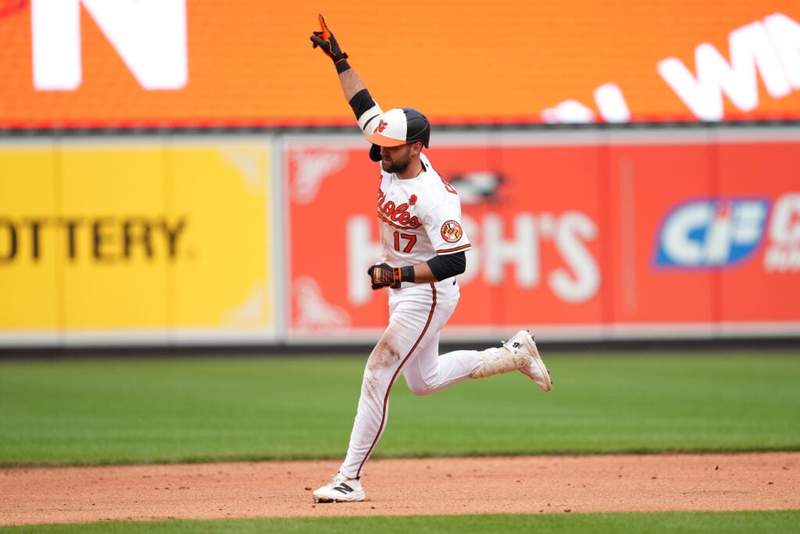
POLICY WIRE — Baltimore, USA — When Colton Cowser clobbered his second walk-off homer in as many days, snatching a gritty 9-7 victory for the Orioles in 13 nail-biting innings, everyone rightly...

POLICY WIRE — Baltimore, USA — When Colton Cowser clobbered his second walk-off homer in as many days, snatching a gritty 9-7 victory for the Orioles in 13 nail-biting innings, everyone rightly celebrated the flashy heroics. That’s what sells tickets; it’s the highlight reel stuff. But true observers—those of us who look beyond the grandstand theatrics—saw the real game-changer much earlier, cloaked in quiet resolve rather than raw power. The young slugger, while providing the decisive blow, merely finished a rescue mission orchestrated by an unsung strategist: coach Craig Albernaz.
It was a different sort of aggression, you see, a calculated act of *non-action* in a situation screaming for intervention. In the white-knuckle tenth inning, with the bases loaded and the game’s fate hanging by a thread, pitcher Rico Garcia looked lost. His command? Well, it wasn’t there. He was deep in a stress-test performance, struggling. Now, most bench bosses—and we’ve seen plenty of them in both sports and statecraft—would yank him. That’s the default setting for crisis management: change the personnel. But not Albernaz. The quieter moment came earlier, when Rico Garcia was stuck in a bases-loaded jam and Albernaz walked to the mound without taking the ball.
This wasn’t some minor league drill; this was Major League Baseball, with thousands of fans and millions more watching the stakes rise with every single pitch. And yet, this coach didn’t offer a dramatic speech or an emergency substitution. He offered presence, then absence, a fleeting gesture of faith. Albernaz trusted Garcia with the game wobbling
, letting him stew, letting him find his own footing. [QUOTE_PLACEHOLDER]
Garcia, against all statistical logic of the moment, somehow escaped that bind. Garcia escaped the bases-loaded threat in the 10th inning, keeping the game alive long enough for Baltimore to keep fighting.
Think about it: an immediate reprieve from an imminent collapse. Without that moment of trust, without Albernaz giving Garcia a chance to earn his keep right there, Cowser’s heroics simply wouldn’t have materialized. The game would have been over, long before its epic conclusion. It’s an easy thing to pull someone out, a much harder thing to stay put, to let a developing player—or, if we’re stretching the metaphor, a fledgling institution—stumble, but learn to walk. He didn’t have perfect command and was already deep into a stressful outing, and the safer move would have been to go get him.
Yet, Albernaz zagged where others would’ve zigged. Albernaz gave him a reset instead, a public show of trust at the moment a reliever either feels abandoned or backed.
Garcia, bless his heart, answered that call. He’d done enough all year for that trust to be, as the source materials tell us, earned rather than blind.
Because let’s be frank, this Orioles bullpen isn’t exactly operating from a position of strength. They’re patching things up, holding it together with duct tape — and good vibes. Baltimore’s bullpen has been under real strain, with injuries, heavy usage and regression turning late-game calls into a nightly pressure test.
When key players like Ryan Helsley and Félix Bautista are out, you can’t just wish away the gaps. You gotta improvise. And Albernaz’s gamble, his act of strategic delegation, really paid off. It’s an object lesson in empowering those under immense pressure. That trust, once dispensed, reverberates. Albernaz backing Garcia with the game on the line is the kind of moment that travels through a clubhouse for a team searching for traction in a difficult season.
That, in sports as in foreign policy, is how you build a robust team culture — a shared belief that empowers individuals even when things are, to put it mildly, going sideways. The swing won it, the trust helped save it.
What This Means
📄 POLICY WIRE WHITEPAPER PUBLISHED: PAKISTAN'S NATIONAL SECURITY POLICY PRIORITIES
👉 READ BY CLICKING HEREThe lesson here goes way beyond the diamond, right into the marbled halls of power and diplomacy, particularly for leaders navigating the treacherous geopolitical currents of the Muslim world. Pakistan, for instance, a nation routinely grappling with economic turbulence, internal dissent, and external pressures, could take a page from Albernaz’s playbook. When institutions or individuals are perceived to be struggling under the weight of immense challenges, the knee-jerk reaction is often direct, top-down intervention, replacing one figure with another. But often, the strength lies in showing confidence, allowing breathing room for homegrown solutions, and fostering organic leadership even amidst perceived chaos. Think of fledgling democracies or economic reform efforts: an external, or even internal, heavy hand might seem logical, but it often stifles genuine development. The act of stepping back, like Albernaz did, transmits a different kind of strength: confidence in capacity, an invitation to self-rescue. According to a 2022 World Economic Forum report, organizations that demonstrate high levels of trust in their employees consistently show 20% higher productivity and 50% lower turnover rates, reflecting the potent, tangible returns on such investments of faith.
It’s about empowering your subordinates, yes, but also about letting them forge their own resilience. If a leader constantly pulls the plug, you breed dependency; you never truly develop bench strength—or in the case of nations, self-sufficiency. Leaders, whether of a ball club or a country, face intense pressure to be decisive, to be seen as ‘doing something’. But sometimes, the most profound decision is the one *not* made, the intervention *not* deployed, allowing an embattled entity the dignity and the opportunity to succeed, or even fail, on its own terms. That’s the real gamble, and as Albernaz—and the Orioles—just showed, it often pays the biggest dividends.