

Main Street’s Pinch, Wall Street’s Profits: America’s Two-Speed Economy Stirs Discontent
POLICY WIRE — Washington, D.C. — While titans of industry uncork champagne, Wall Street exchanges mark fresh record highs—a digital ticker tape parade for investors. But down on Main Street, families...

POLICY WIRE — Washington, D.C. — While titans of industry uncork champagne, Wall Street exchanges mark fresh record highs—a digital ticker tape parade for investors. But down on Main Street, families are quietly, reluctantly, tightening their belts. This stark disconnect, a chasm widening between capital markets and everyday pocketbooks, isn’t just an economic curiosity; it’s the rumble of public discontent, growing louder with every grocery bill.
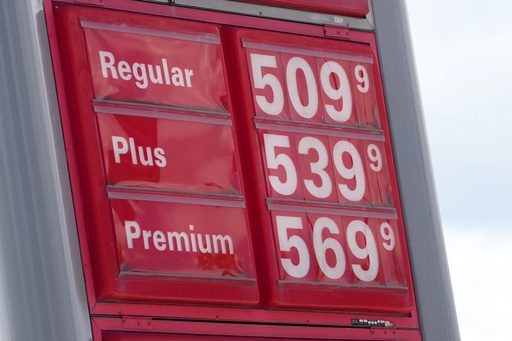
It’s not just a hunch, either. Americans are facing a particularly nasty confluence of pressures. Gasoline, a basic necessity for most, still demands an absurd tariff at the pump, bleeding budgets dry. Food costs? Well, they’re not exactly playing nice, either. And it’s no secret wages haven’t kept pace. So, here’s the rub: most folks simply aren’t seeing that supposed prosperity trickle down.
New survey data paints a picture that’s less than rosy. The Conference Board’s consumer confidence index, a thermometer for the national mood, barely held its ground in May, registering at a rather lukewarm 93.1. It was a marginal dip, yes, but followed three months of tentative gains—and crucially, echoed a far more drastic nosedive in sentiment reported by the University of Michigan. What’s going on? Rising prices, pure and simple. Because inflation surged to an uncomfortable 3.8% in April, as reported by the Bureau of Labor Statistics, far exceeding the Federal Reserve’s accustomed 2% comfort zone. It’s hard to feel confident when your money simply doesn’t stretch.
The hard reality? Two out of every three Americans are now actively reining in their spending. They’re cutting back. Delaying big-ticket items. Maybe not splurging on that new gadget or upgrading the old car. Many are even economizing on discretionary items—stuff like new clothes, hobby gear, or toys for the kids. It’s a quiet austerity program playing out in millions of households, a direct response to paychecks that just can’t keep up with an elevated cost of living.
“We understand that certain external pressures—namely, ongoing global supply chain adjustments and the lingering effects of energy market volatility—have created headwinds for consumers,” offered White House economic advisor Dr. Evelyn Reed in a recent policy briefing. “But we’re absolutely committed to ensuring the long-term health of this economy. The fundamentals, you see, remain extraordinarily robust. Job creation, particularly, is a testament to that underlying strength.”
📄 POLICY WIRE WHITEPAPER PUBLISHED: PAKISTAN'S NATIONAL SECURITY POLICY PRIORITIES
👉 READ BY CLICKING HEREBut opposition voices aren’t buying the robust fundamentals narrative. “Look, families aren’t feeling that ‘strength’ when they open their utility bills or fill their gas tanks,” retorted Senator Julian Vance (D-California), a vocal critic of the administration’s economic platform. “It’s a two-tiered economy: one where big corporations and the wealthy see their portfolios swell, and another where working people scramble just to make ends meet. Where’s the plan for real, everyday affordability, not just market abstract prosperity? This isn’t just a bump; it’s a structural imbalance that threatens social cohesion. And voters, they remember this stuff at the polls.”
This tale of economic duality doesn’t stay confined within American borders, mind you. The relentless grind of higher energy — and food costs here reverberates globally. For nations heavily reliant on commodity imports—think Pakistan, for instance, where energy bills alone can trigger cascading instability—these global price spikes become deeply personal, igniting popular frustration and draining scarce foreign exchange. Even for diaspora communities sending remittances home from the US, every dollar pinched here means less reaching loved ones abroad. The interconnections are far deeper than a simple trade deficit. And those ripple effects can sometimes spark the kind of geopolitical friction that policymakers don’t often include in their economic forecasts.
What This Means
This schism between Wall Street’s exuberance — and Main Street’s prudence represents a political time bomb. For President Trump’s administration, navigating an economy where headline growth doesn’t translate to household relief becomes a significant headache—especially with midterm elections looming. Incumbent parties typically suffer when the public feels squeezed, regardless of macroeconomic indicators. the Federal Reserve, caught between tempering inflation and not crushing growth, finds itself in an unenviable position. They’re trying to land this economic plane softly, but the passengers are getting restless. This isn’t merely an economic quandary; it’s a test of the collective American psyche, a subtle but dangerous strain on the social contract when so many feel left behind while others seem to flourish.