Delhi’s Shrewd Gambit: Carney Visit Hailed as Détente, But Old Wounds Linger
POLICY WIRE — New Delhi, India — The hum of industry, for a moment, seemed louder than the diplomatic chill. Not quite a full-blown thaw, but a definite easing of the cold shoulder—that’s how folks...

POLICY WIRE — New Delhi, India — The hum of industry, for a moment, seemed louder than the diplomatic chill. Not quite a full-blown thaw, but a definite easing of the cold shoulder—that’s how folks in Delhi’s power circles are sizing up the recent, carefully choreographed visit by Mark Carney, Canada’s former central bank chief and a globally recognized economic statesman. It wasn’t a mere courtesy call. It was, rather, a rather calculated nod towards normalcy in a relationship that had—let’s be honest—been flatlining.
Just a handful of months ago, whispers turned into public accusations after the audacious assassination of Sikh separatist Hardeep Singh Nijjar on Canadian soil. Ottawa pointed fingers, discreetly at first, then less so. India? They fired right back, questioning Canadian commitment to sovereignty while clamping down on visas. It got ugly. Fast. So when Carney, ostensibly in his capacity as a UN Special Envoy for Climate Action and Finance, landed in New Delhi, many read the subtext louder than the official agenda. Economic realities, after all, have a nasty habit of overriding geopolitical pique.
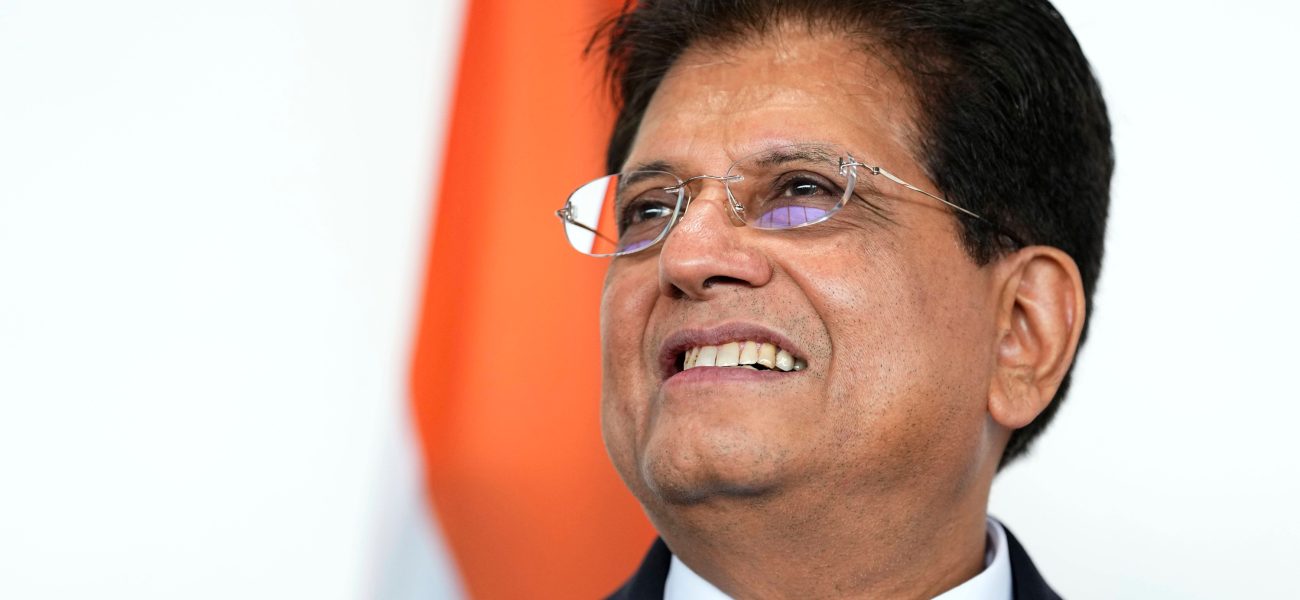
Piyush Goyal, India’s often ebullient Commerce Minister, didn’t shy away from framing it as a turning point. “Look, we’ve always been partners in progress, haven’t we?” Goyal quipped to reporters, a familiar glint in his eye. “Differences, sure, every family has ’em. But when it comes to shared economic prosperity and global opportunities, that bond—it’s still there. Mr. Carney’s visit wasn’t just a signal; it was a reaffirmation of intent, and we welcome that.” You can almost taste the carefully crafted optimism. His assertion paints a picture of resilient ties, brushing over the quite public, very pointed allegations that ruptured relations.
But pragmatism runs deep on both sides of the Canada-India equation. Bilateral trade, which hovered around $8.1 billion in 2023, isn’t something either nation wants to simply abandon. Even with the political drama, Canadian pension funds, notoriously hungry for growth markets, have kept a keen eye on India’s booming economy. They’ve poured an estimated $60 billion into Indian assets over the past decade, a quiet endorsement of long-term opportunity even when politicians are publicly feuding. And that’s no small change, not by a long shot.
The diplomatic dust-up has, undeniably, rattled nerves in Canadian business circles operating in India, — and vice-versa. Suddenly, bureaucratic approvals seemed to take longer. Visa processing became a labyrinth. For countries that talk a big game about multilateralism and trade liberalization, this sort of pettiness just isn’t a good look. Carney’s tour, therefore, wasn’t about solving a murder; it was about ensuring that the engines of commerce—and those oh-so-important pension fund dollars—don’t stall entirely.
On the Canadian end, Mark Carney, always the economist first, sounded a note of carefully modulated seriousness. “Economic realities—they don’t pause for diplomatic hiccups,” he explained, a subtle nod to the turbulent preceding months. “My discussions in Delhi, they focused on opportunities, yes, but also on stability. We’re talking climate finance, supply chains, the kind of things that need dialogue, especially when the geopolitical landscape feels, shall we say, a bit… bumpy.” He’s good. Really good. It’s a statement that acknowledges the problem without getting mired in its grittier details. The implication being: business must continue, regardless of what’s happening at the intelligence agency level.
📄 POLICY WIRE WHITEPAPER PUBLISHED: PAKISTAN'S NATIONAL SECURITY POLICY PRIORITIES
👉 READ BY CLICKING HEREThis engagement also provides a useful optic for India in the wider South Asian — and Muslim world. When Western nations pull back, it creates a void, an opportunity for others to step in. A seemingly resolved spat with Canada—or at least a move towards resolution—demonstrates India’s perceived resilience and its continuing draw as an economic partner, irrespective of perceived internal or external controversies. Because, frankly, a country as strategically placed and economically promising as India can’t afford to be seen as diplomatically isolated, not when China’s always sniffing around for opportunities to expand its influence. India’s soft power—its appeal to nations across the Persian Gulf, and in burgeoning African markets—depends on maintaining a veneer of stable, rational foreign policy.
But let’s be real. A high-profile visit, even one by an eminent figure like Carney, doesn’t just poof away the hard feelings. Allegations of state-sponsored assassination don’t vanish with a press release — and a shared photo op. There’s investigative work happening, albeit quietly. Justice, eventually, might just catch up to the grand economic narratives.
What This Means
The messaging around Carney’s visit reveals a cautious, almost reluctant, return to a semblance of normality between India and Canada. Politically, it grants New Delhi a moment to signal to other concerned Western allies—the US, UK, Australia—that it’s serious about re-engagement, even if it won’t concede an inch on sovereignty. Economically, it’s a sigh of relief for investment groups who’d rather deal in market fluctuations than diplomatic firestorms. It also indicates that despite Trudeau’s earlier pointed remarks, the Canadian government sees more benefit in pragmatic dialogue than in an enduring standoff, particularly as Ottawa tries to diversify trade away from China. This isn’t a warm embrace; it’s more like two reluctant poker players agreeing to finish a game after an unpleasant disagreement, eyes still darting suspiciously across the table. For Delhi, it’s a win; they get to say the reset was theirs, while Canada quietly hopes economic leverage will yield diplomatic dividends. You know, someday.