


Kansas Diamond Dreams: Beneath the Field, a Metaphor for Global Resilience
POLICY WIRE — Topeka, Kansas — Sometimes, the grand narratives of policy and power find their most potent expression not in gilded halls or on distant battlefields, but on a sun-baked dirt diamond in...

POLICY WIRE — Topeka, Kansas — Sometimes, the grand narratives of policy and power find their most potent expression not in gilded halls or on distant battlefields, but on a sun-baked dirt diamond in America’s heartland. It’s here, amidst the dust and adolescent fervor of a high school baseball championship, that you see the raw, unvarnished grit often invoked, yet rarely embodied, by seasoned diplomats or world leaders. The recent KSHSAA state quarterfinals delivered more than just athletic upsets; they offered a stark, visceral reminder of collective will, individual heroism, and the sheer audacity of hope against seemingly impossible odds—themes that resonate far beyond the boundary lines.
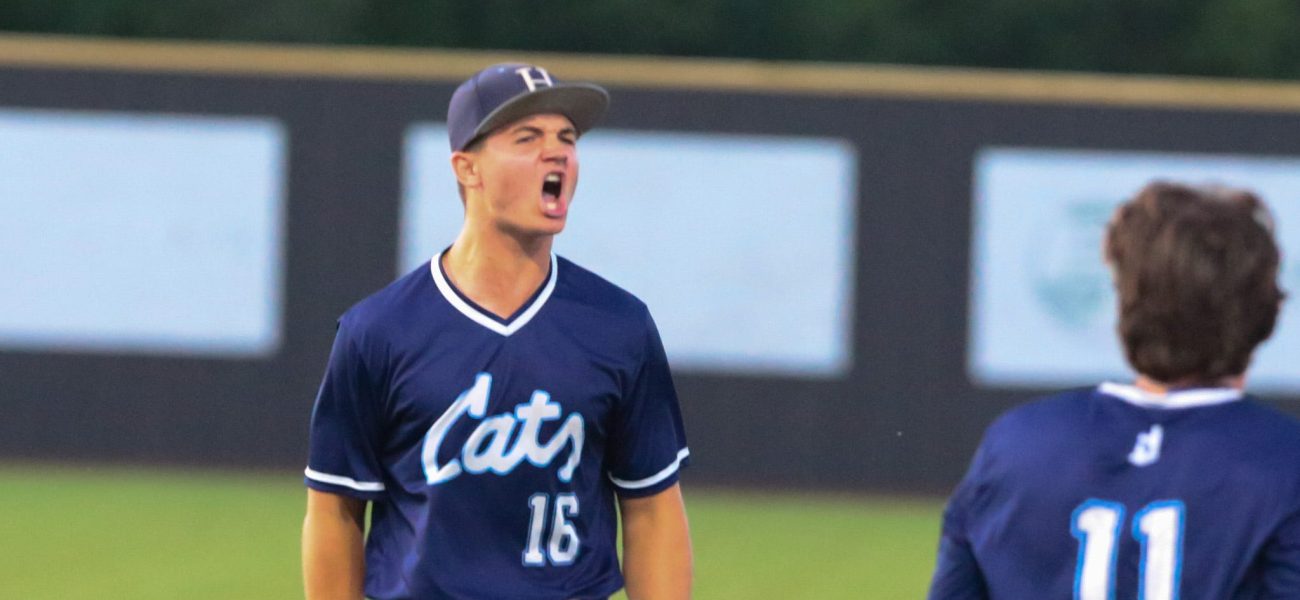
For decades, Policy Wire has dissected the intricate mechanics of global influence. But pause for a moment, — and consider the underbelly of success. It doesn’t just materialize; it’s hammered out in moments of profound pressure, the kind witnessed when No. 7 seed Hayden faced down No. 2 Rock Creek. Trailing significantly into the final frame, the script seemed written. And then, it wasn’t. This wasn’t just a game; it was a psychological endurance test. The Wildcats staged a seven-run comeback, clinching a 7-6 victory, a reversal so dramatic it almost defied credulity.
Head coach Bill Arnold, a man who’s probably seen a hundred seasons play out, didn’t mince words. “Credit to the kids, they never gave up and they kept fighting,” he said, the sort of statement that could just as easily apply to a resilient community navigating complex political currents. “I’m extremely proud of them. It’s why you play the game.” You hear echoes of this sentiment in places where progress is slow, incremental—where communities, whether struggling for recognition in Khyber Pakhtunkhwa or striving for economic parity in southern Punjab, find reason to keep pushing. They don’t always get the global spotlight, but their victories, however localized, often contain the same defiant spirit.
But Hayden’s triumph hinged on specific moments. Like Caleb Menke, who after struggling at the plate, found himself in the pressure cooker with the game on the line. His father’s sideline counsel—a direct, gritty admonition to “fight off curve balls, but you got to sit on that fast ball, once you get it, you can’t miss it”—cuts through the noise of complex strategizing. It’s a parable, really, for discerning genuine opportunities amidst distracting feints in any arena, be it trade negotiations or local governance. Menke then drilled the go-ahead single, proving that individual execution, sharpened by wise counsel, can indeed alter the tide.
Silver Lake’s run provides a similar narrative arc. The No. 8 Eagles toppled top-seeded Council Grove 1-0, a defensive masterclass underscored by freshman pitcher Kipton Kruger’s poise under fire and outfielder Jax Ross’s defensive heroics. Ross, once a periphery player, transformed into an indispensable cog, making plays that single-handedly shut down offensive threats. It’s an American ideal, this idea of earning your spot, of sheer toil paying dividends. “That kid put his head down and worked his butt off to earn that spot in left field,” Silver Lake’s head coach Tyler Seele remarked. “He’s been nails for us.” You couldn’t frame a clearer case study in meritocracy’s fierce demands.
📄 POLICY WIRE WHITEPAPER PUBLISHED: PAKISTAN'S NATIONAL SECURITY POLICY PRIORITIES
👉 READ BY CLICKING HEREThen there’s Rossville, No. 4, who cruised to a dominant 10-0 victory. Sometimes, the power differential is just too great, and raw strength prevails, a fact of life as true in diplomacy as it’s in sport. Yet, even in dominance, there’s a consistent dedication to fundamental excellence that separates the good from the great.
What This Means
These contests, unfolding far from national news cycles, aren’t merely adolescent diversions. They’re vivid case studies in decentralized resilience. Annually, KSHSAA alone facilitates nearly 80,000 student participants across various sports. That’s thousands of micro-laboratories testing the very boundaries of human effort, strategy, — and perseverance. Economically, these local tournaments drive significant—if unsung—activity, supporting local businesses, fueling civic engagement, and embedding young people into community structures. Politically, the spirit displayed—the underdog spirit, the defiance of predicted outcomes—is what fuels grassroots movements, propels political newcomers, and fosters a belief that individual and collective action can indeed shift systemic imbalances.
And consider the global context. These games—these triumphs of the tenacious—mirror countless unreported struggles worldwide. Think of Karachi, a megacity constantly grappling with infrastructural strain, where local community organizers are fighting their own uphill battles for improved public services, for cleaner water, or more secure neighborhoods. Each small victory, like a timely single in a state semi-final, incrementally strengthens resolve and reshapes expectations for what’s achievable against overwhelming odds. It’s not about military might or economic leverage; it’s about the spirit of the people, their readiness to ‘sit on that fastball’ and drive it, against the current of adversity. These high school teams, with their stories of grit — and improbable wins, aren’t just playing baseball. They’re unknowingly enacting a universal playbook for human endurance, a blueprint for those seeking change from the ground up, no matter the locale.