


Silent Screams, Loud Verdict: Pakistan’s Digital Dilemma and a Killer’s Fate
POLICY WIRE — Islamabad, Pakistan — For many young women in Pakistan, the internet offers a precious, fleeting glimpse of autonomy. It’s a space where voices often stifled by tradition or...

POLICY WIRE — Islamabad, Pakistan — For many young women in Pakistan, the internet offers a precious, fleeting glimpse of autonomy. It’s a space where voices often stifled by tradition or circumstance can find resonance, where creativity might just flourish. But sometimes, that digital glimmer casts a long, menacing shadow. It can attract an unwelcome gaze, transform admiration into obsession, and, in a horrifying turn, snatch away the very life it promised to elevate.
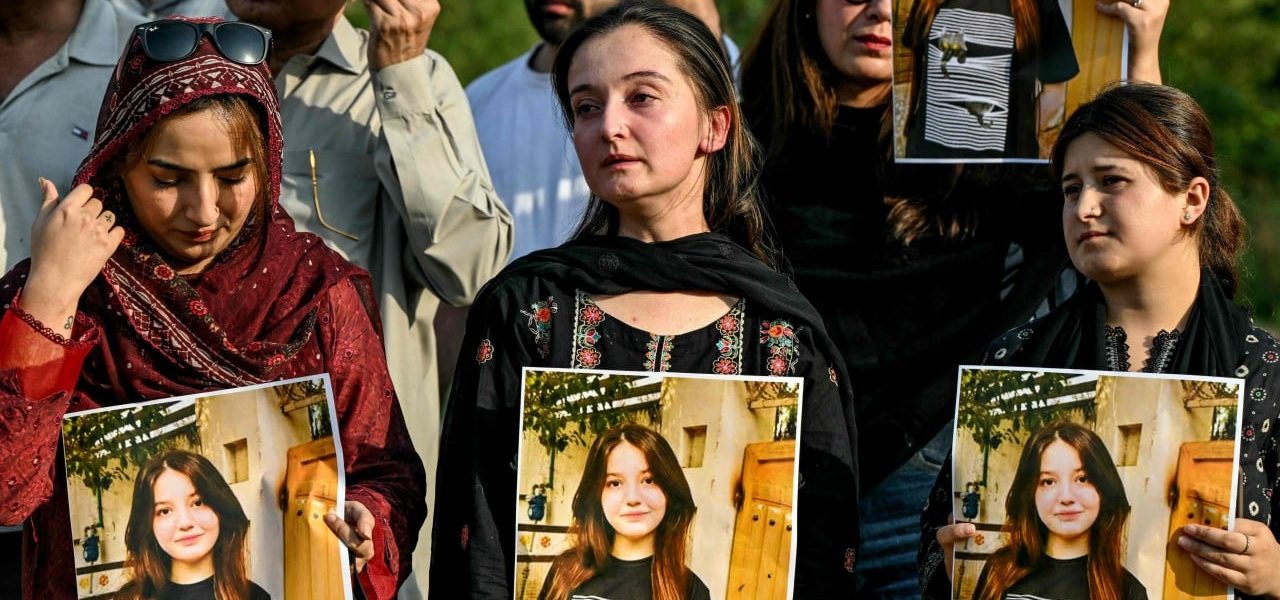
That chilling reality landed with definitive force in an Islamabad courtroom this past Tuesday. The grim reaper of rejected advances, a 22-year-old named Umar Hayat, received a judge’s most severe pronouncement: death. His crime? The murder of Sana Yousaf, a burgeoning TikTok star, a young woman whose effervescent online presence had, according to court documents, been brutally snuffed out after she repeatedly spurned his relentless pursuits. It wasn’t merely a private tragedy; it tore open the festering wound of gendered violence in a nation grappling with its online future.
Because, let’s be blunt, Yousaf’s death last June wasn’t just a news item. It became a societal mirror, reflecting not only the horror of her final moments but also the ugly propensity for victim-blaming that too often trails such incidents. The initial outpouring of grief for Sana, a bright light in Pakistan’s burgeoning digital youth culture, was quickly—and predictably—marred by comments online suggesting she’d somehow invited her fate. As if merely existing, creating, and engaging on a public platform made her responsible for another’s deranged violence. It’s a wearying, familiar narrative.
“This verdict sends a potent message: online prominence doesn’t strip a woman of her fundamental right to safety, nor does rejection justify such brutal acts,” stated Malik Javed, a Public Prosecutor familiar with the case, following the court’s decision. But one can’t help but notice the dry tone, the measured relief. Is it truly a ‘potent message,’ or just a necessary, overdue response to an undeniable act of evil? A fine line, that.
The sentence—death and a fine of US$7,200 (a hefty sum by local standards)—aims, presumably, to provide a modicum of deterrence. Yet, for all the legal finality, the broader societal conundrum persists. Pakistan, a country where a significant percentage of its population is digitally connected, faces the stark juxtaposition of ancient customs and modern modalities. For women, this digital sphere can be liberating but also perilously exposed. The Digital Rights Foundation (DRF) Pakistan, for example, reported in 2021 that 40% of their registered complaints concerning online harassment specifically targeted women—a stark, concrete statistic illustrating a pervasive threat.
And what about the constant dance between personal liberty — and perceived societal ‘honor’? When a woman in this region carves out a public space for herself, especially one that bucks conservative norms—like being a TikTok star—she isn’t just seeking likes; she’s navigating a minefield. Her digital footprint becomes a target, her assertiveness sometimes reinterpreted as defiance worthy of extreme reprisal. It’s a bitter pill to swallow, this dichotomy.
“While justice for Sana is welcome, we can’t pretend a single death sentence fixes the deeper rot of misogyny and digital harassment. It’s a band-aid on a gaping wound,” commented Farida Rahman, director of the Digital Rights Foundation Pakistan. Her words cut right through the triumphalist pronouncements, reminding everyone that this is less an end than a fleeting milestone in a much longer, more brutal fight.
The verdict might make headlines. But the unseen battles, the daily harassment, the quiet terror many young Pakistani women face navigating the twin worlds of traditional society and unbounded internet freedom—those battles continue, mostly unwitnessed, echoing through phone screens and whispered warnings. The digital ghosts, they’re everywhere.
What This Means
This ruling, though offering closure to Yousaf’s family, isn’t a silver bullet for Pakistan’s endemic issue of gender-based violence, online or off. Politically, it signals a government trying to project an image of enforcing rule of law, perhaps bowing to public pressure that intensified after the case. It’s a PR win of sorts—an optics play, if you will—demonstrating a capability to deliver stern justice in a high-profile case. However, it sidesteps the uncomfortable question of whether authorities are truly equipped—or sufficiently motivated—to prevent such tragedies on a broader scale, beyond the spotlight.
Economically, the impact is less direct but still perceptible. A safer digital environment is one that encourages participation, especially from women, who are often disproportionately excluded from traditional economic spheres. This case, despite its grim outcome, could, in theory, foster a slightly more secure atmosphere for content creators and online entrepreneurs, bolstering nascent digital economies by reassuring young talent they won’t simply be discarded when things turn sour. But don’t hold your breath for a seismic shift. The underlying economic disparities and power imbalances that fuel such violence—they haven’t magically vanished.