


Rust Belt Roulette: Cleveland, Detroit Play for More Than Bragging Rights in Crucial NBA Decider
POLICY WIRE — Detroit, Michigan — Forget the glossy highlight reels. The real contest between the Cleveland Cavaliers and the Detroit Pistons tonight wasn’t just about jump shots and defensive...

POLICY WIRE — Detroit, Michigan — Forget the glossy highlight reels. The real contest between the Cleveland Cavaliers and the Detroit Pistons tonight wasn’t just about jump shots and defensive stands; it’s always been about something grimier, more foundational. Call it a Rust Belt economic grudge match, played out under stadium lights where millions hang on every dribble—a proxy battle for cities desperate to rewrite their legacies.
Tonight, in the pressure cooker of Game 5 of the Eastern Conference semifinals, the series hung in a precarious 2-2 balance. Winner takes all—well, winner takes the advantage in the march to the conference finals, but you get the drift. Lose this one, and you’re not just heading home down, you’re wrestling with existential dread, your fan base plunged into the familiar depths of ‘what if?’ for another year. For Cleveland, a city often overshadowed, a deep playoff run isn’t just sports; it’s a statement, a whispered promise of revival. Detroit, conversely, carries the heavy burden of its own storied past, craving a return to its basketball dominance, even as its automotive industry grinds through seismic shifts. They want this badly, maybe too badly.
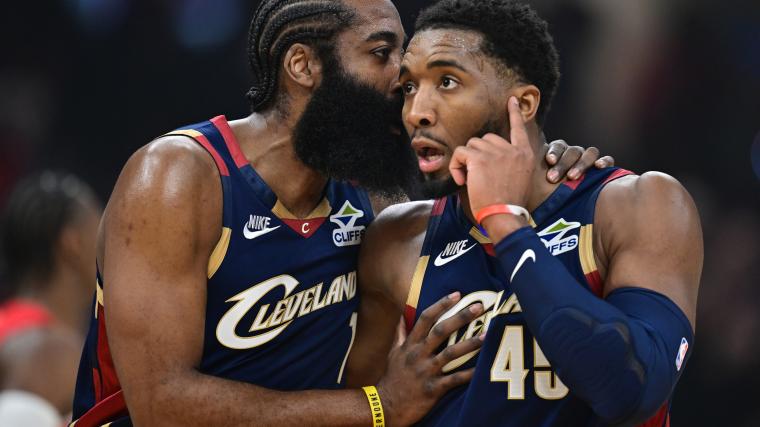
The stakes? Monumental, as these two historically gritty rivals—separated by less than 200 miles and generations of economic hardship—lock horns. Donovan Mitchell, Cleveland’s electric guard, was still hot, scorching nets with 43 points in their last win. But could he do it again on the road, where the Cavs haven’t exactly shone this postseason? But you’ve got to ask, what happens when your superstar’s carrying all that weight? What happens when James Harden, theoretically a key piece, isn’t delivering his ‘A-game’?
And for Detroit? Young guns like Cade Cunningham — and Tobias Harris are solid, they’re undeniably talented. But playoff series, these aren’t won on talent alone; they’re wrestled away with grit, tactical adjustments, and often, an unsung hero. Pistons coach J.B. Bickerstaff, a man whose coaching career has seen its share of tough assignments, acknowledged the burden before tip-off. “We aren’t just playing basketball tonight,” Bickerstaff told Policy Wire with a weary sigh, “We’re playing for the hope that springs eternal in this city, for every kid who wears a Pistons jersey to school. It’s more than points; it’s pride, you know?”
That kind of pressure, it translates. You can feel it through the television screens, even across continents. The NBA, you see, isn’t just an American spectacle anymore. A recent study published by the European Sponsorship Association indicated that NBA viewership in non-US markets grew by an estimated 35% over the past five years, demonstrating the league’s colossal global footprint. Think about that: from the crowded tea stalls of Lahore, Pakistan, to the glittering cafes of Dubai, the fate of a basketball team in Detroit resonates. They’re watching, perhaps betting, perhaps drawing inspiration from the resilience on display.
📄 POLICY WIRE WHITEPAPER PUBLISHED: PAKISTAN'S NATIONAL SECURITY POLICY PRIORITIES
👉 READ BY CLICKING HERECleveland’s interim coach, who declined to be named but has been with the franchise for years, framed it slightly differently. “We’re playing against a very good team, a very proud franchise,” he mused, leaning back in a surprisingly pristine locker room. “But ultimately, we prepare. We strategize. And we execute. We can’t let the emotion, the external noise, become a distraction. It’s about what happens between those four lines, pure and simple.” He’s trying to stay cool, clearly, but you could practically hear the gears grinding in his head. Simple? Nothing’s simple when two cities are hanging by a thread.
What This Means
This series isn’t merely sports entertainment; it’s a quarterly earnings report for civic morale. For both Cleveland and Detroit, deep playoff runs generate an intangible, yet significant, form of political capital for local administrations. It fuels tourism, sure — hotels, restaurants, bars see a spike. But it also shapes perception, casting these former industrial behemoths in a fresher, more dynamic light for potential investors and young talent. A championship? That’s a multi-million dollar boon, a morale rocket launch, an overnight marketing campaign for a region often battling stale stereotypes.
The soft power projection of American sports, exemplified by the NBA’s international reach, also quietly reinforces cultural ties. As people in Karachi debate Donovan Mitchell’s clutch shooting, they’re subtly engaging with American culture, creating a common conversational thread that sometimes transcends political disagreements. Losing, for these cities, isn’t just dropping a game; it’s watching a lucrative opportunity — and a crucial narrative shift — slip through their fingers, leaving behind a familiar taste of ‘almost.’ But winning? Winning provides fuel. And it buys time. And right now, both cities would kill for a little more of both.