


Celtic’s Precarious Path: O’Neill Steers Club Through Managerial Vacuum
POLICY WIRE — Glasgow, Scotland — A peculiar calm, it’s fair to say, has settled over Celtic Park, a stadium that’s not just seen its share of roaring passion but also, often enough, brawling,...

POLICY WIRE — Glasgow, Scotland — A peculiar calm, it’s fair to say, has settled over Celtic Park, a stadium that’s not just seen its share of roaring passion but also, often enough, brawling, gut-wrenching transitions — moments that really test the mettle of any club. Indeed, despite the recent nailing down of three pivotal player contracts, a palpable sense of strategic limbo clings on as the storied club navigates the choppy waters of its managerial succession.
A glaring incongruity, this. On one hand, players like Liam Scales and Luke McCowan have pledged their long-term allegiances, extending deals until 2030 and 2028 respectively. Even stalwart James Forrest has penned an extension, whispering a loud intent to fortify the squad’s core.
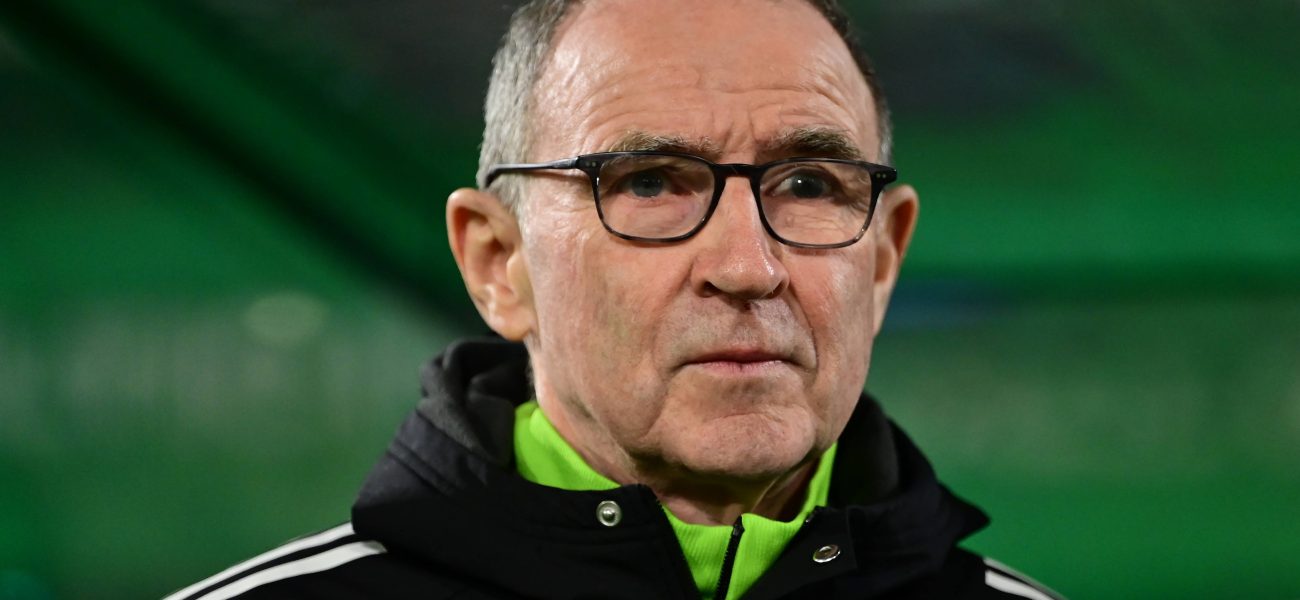
But who, precisely, is doing the fortifying? That’s the million-dollar enigma draping over Glasgow’s East End. Interim manager Martin O’Neill, a man whose legendary status at Celtic is unimpeachable, finds himself in a fascinating — yet curiously detached — advisory role.
And yet, O’Neill isn’t flinching from the complexities. He concedes the fans’ unease, particularly regarding gargantuan fiscal commitments when the next permanent boss remains a ghost in the machine. This isn’t O’Neill’s vessel to steer into the tempestuous transfer market, mind you, even if he’s sketching out the navigational charts.
“The final call would, I think, always would come from the board. They’ve to finance the things, but I’m quite sure that they would be listening to perhaps myself, Shaun, Mark Fotheringham and the coaching staff. I think that’s the point,” O’Neill told the Daily Record, emphasizing the boardroom’s ultimate authority.
Behind the headlines, Celtic’s recruitment team has been unflaggingly winnowing through potential targets across multitudinous global bazaars. They’re looking beyond the usual suspects, casting a wider net for talent that could reshape the squad’s very soul.
This broadened reconnaissance compass reportedly includes a nascent obsession with emerging footballing regions, most notably the South Asian diaspora and countries like Pakistan. The idea isn’t just about mining fresh talent reservoirs; it’s about connecting with a passionate, often neglected, global fanbase and unbolting pecuniary prospects in areas where football’s appeal is steadily growing.
For example, a young, technically gifted midfielder from Lahore, honed in a grassroots academy, might not be a starter next season. However, signing such a player could unfurl banners for legions of fresh devotees and rich alliances, much like how top European clubs have sagaciously poured resources into North American or East Asian talent. Beyond Goals: The Premier League’s Unforgettable Entertainers Redefine Footballing Magic.
Still, the board’s circumspection reigns supreme. Substantial fiscal outlays on new players are largely mothballed until a permanent manager is installed. It’s a pragmatic maneuver, ensuring the incoming boss won’t be shackled by transfers that don’t align with their vision.
Michael Nicholson, Celtic’s Chief Executive, quietly reiterated this conviction recently to the club’s key players and patrons. “Our commitment isn’t just to current success, but to building a sustainable future,” he’s believed to have stated. “Every major financial decision must align with the vision of the next permanent manager, ensuring continuity and wise investment for the club’s long-term health.”
📄 POLICY WIRE WHITEPAPER PUBLISHED: PAKISTAN'S NATIONAL SECURITY POLICY PRIORITIES
👉 READ BY CLICKING HEREThe arithmetic is unforgiving: Celtic’s annual operating revenue eclipsed £130 million for the 2024-25 season, according to the club’s latest financial report. That’s a formidable war chest, but it cries out for judicious deployment.
For the uninitiated, bless their hearts, O’Neill’s current role is less about tactical innovation and more about battening down the hatches. He sees his job as stemming the tide of upheaval — and cultivating seamlessness. “If I thought somebody was decent, but it’s going to cost let’s say 5 million euros, I think that’s where the board would be quite right to say, ‘Well, wait a minute. Hold on, that’s a different issue. Let’s spend some money on someone that a new manager may not take in?’” he reflected.
What This Means
This period of interim management at Celtic isn’t merely a holding pattern; it’s a momentous strategic lurch. The board’s decision to postpone grand transfer expenditures, while simultaneously locking down current talent, intuits a devotion to future-proofing the club without hobbling the incoming manager’s strategy.
Politically, it’s a knife-edge perambulation. Keeping a club legend like O’Neill involved soothes an agitated support base, but his limited executive power accentuates the intrinsic peril of having a caretaker at the helm during such a pivotal acquisition epoch. Economically, delaying large transfers hoards financial ordnance, allowing the next manager to custom-fit investments. So it also courts the danger of bypassing coveted assets who might move elsewhere in the interim.
And that holds profound sway for Celtic’s European aspirations. The ability to compete in the Champions League, both on the pitch and in the transfer market, swings upon expeditious, resolute action once the new boss arrives. the sotto voce foray into markets like South Asia isn’t just about football; it’s a geopolitical gambit, broadening the club’s imprimatur and leverage across the globe, potentially leading to new commercial partnerships.
Tick-tock.
Pure chaos. The upcoming summer transfer window promises to be just that. The eventual choice of manager won’t merely dictate tactics; it will set the club’s institutional trajectory for years to come, impacting everything from player development to global brand expansion. Jacob Devaney’s Scottish Ascent: Man Utd’s Midfield Conundrum May Have Homegrown Answer.
A seasoned insider within Scottish football, who, naturally, insisted on anonymity given the swirling negotiations, distilled it with piercing clarity: “This isn’t just about finding a manager; it’s about harmonizing the club’s entire philosophical blueprint with the shifting terrain of global football. Get it wrong, — and you risk not just the next season, but potentially falling into a decade-long competitive chasm.”