

Beyond the Bosque: Albuquerque’s NAMI Walk Confronts a Global Mental Health Crisis
POLICY WIRE — Albuquerque, United States — Often, the most seismic societal shifts don’t blossom in legislative chambers or corporate boardrooms, but on a dusty trail, with individuals just...

POLICY WIRE — Albuquerque, United States — Often, the most seismic societal shifts don’t blossom in legislative chambers or corporate boardrooms, but on a dusty trail, with individuals just putting one foot in front of the other.
That’s certainly the spirit behind an upcoming fundraiser walk in Albuquerque, a seemingly simple act designed to gnaw at the edges of a crisis far more complex than its organizers might initially convey.
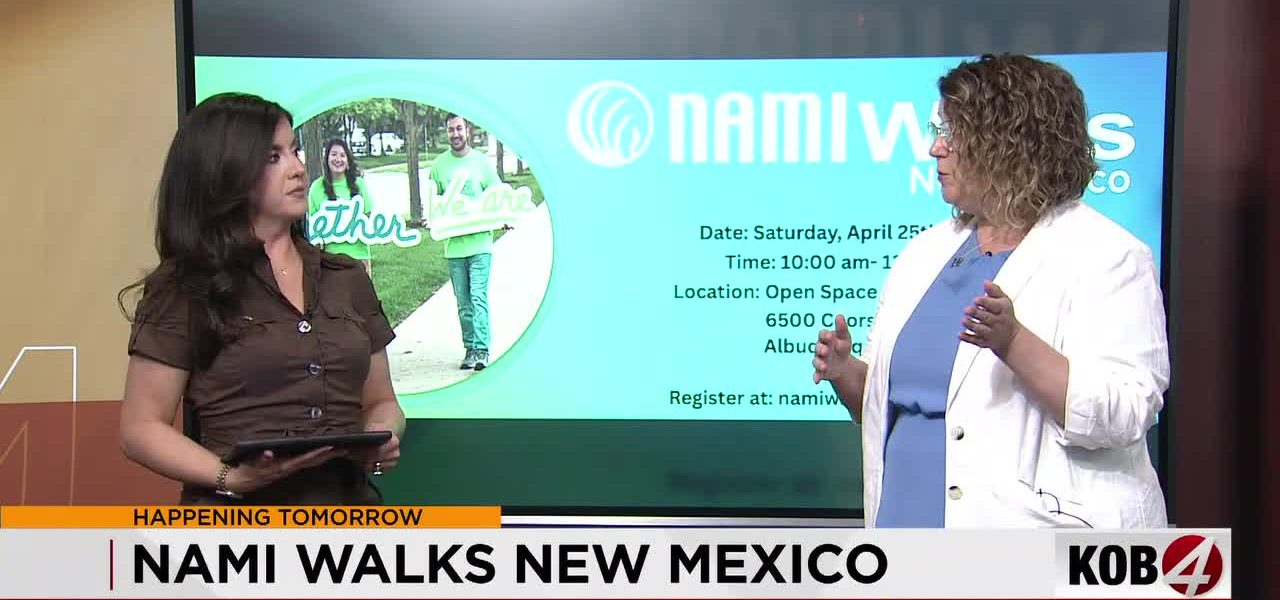
This Saturday, under the expansive New Mexico sky, the National Alliance on Mental Illness (NAMI) New Mexico hosts its annual walk. More than just a stroll. It’s an unyielding bulwark against the pervasive, often silent, suffering of mental illness.
Behind the visible effort to raise funds and awareness lies a potent subterranean force of community resilience and a quiet, insistent challenge to systemic indifference—a sort of persistent drip eroding a concrete wall, if you will.
For Executive Director Gabrielle Dietrich of NAMI New Mexico, the event utterly eclipses mere fundraising.
“We’re not just walking for awareness; we’re walking for access, for understanding, and to unravel the pervasive stigma that keeps so many suffering in silence,” Dietrich shot back to Policy Wire. “It’s free to attend, free to register, but its value in breaking down barriers is truly immeasurable.”
And that matters. Hugely.
But let’s be frank, the statistics are unvarnished. According to the National Institute of Mental Health (NIMH), nearly one in five U.S. adults — that’s 57.8 million people — lived with a mental illness in 2021, yet many never receive sufficient, timely care (we’re talking about a human right here, aren’t we?). This Saturday’s walk, starting at 11 a.m. from the Open Space Visitor Center, isn’t just local news; it’s a microcosm of a national, even global, challenge, a single flickering candle against a colossal darkness.
Still, how do these grassroots initiatives fit into the larger policy landscape?
Albuquerque City Councilor Klarissa Peña, a vocal advocate for public health, emphasizes the local government’s role in undergirding such efforts.
“Albuquerque’s commitment to the well-being of its citizens extends to every facet of health, and mental health stands paramount,” Peña said in a statement. “Events like NAMI’s walk are pivotal because they show our community’s heart, bridging gaps where traditional services may falter and building bridges of empathy.”
Such communal gatherings, complete with food trucks and kids’ activities along the 0.3-mile route near the Bosque — a delightful touch, you’ve got to admit — don’t just happen; they actively engender a sense of belonging, creating an environment where conversations about mental health can truly blossom, unfettered by judgment, like wildflowers after a long desert rain.
📄 POLICY WIRE WHITEPAPER PUBLISHED: PAKISTAN'S NATIONAL SECURITY POLICY PRIORITIES
👉 READ BY CLICKING HEREThe silent struggle against mental health stigma isn’t unique to American shores. Across the globe, from the bustling streets of Karachi to the quiet villages of Punjab, families wrestle with similar challenges, often compounded by cultural taboos, limited resources, and the lingering shadow of conflict or displacement. It’s a worldwide burden, isn’t it?
Here in Albuquerque, a community’s proactive step resounds with a universal call for compassion and understanding, echoing the struggles of vulnerable populations worldwide facing compounding humanitarian crises — the ones we too often forget about.
Related: Gaza’s Unseen Foe: Rodents and Disease Deepen Humanitarian Catastrophe
Few would argue with the idea that access to mental health resources shouldn’t be a luxury. No, really.
NAMI New Mexico’s local affiliates work unflaggingly to provide free support groups, education programs, and help navigating complex systems to find mental health resources in communities across the state. This walk directly buttresses those critical services, ensuring they remain accessible to all — a no-brainer, really.
What This Means
This walk, while local in scope, illuminates several pivotal implications for broader policy — and societal well-being. Economically, investing in mental health support pays dividends, reducing healthcare costs, improving productivity, and fostering stronger communities; untreated mental illness, you see, costs the U.S. economy billions annually in lost wages and healthcare expenditures — so, a simple walk, then, acts as an economic intervention, not just a social one, a surprising but welcome bonus.
Politically, the persistent spotlight of events like NAMIWalks keeps mental health firmly on the legislative agenda. It galvanizes advocates to push for better funding, improved parity in insurance coverage, — and integrated care models. When communities show up en masse, policymakers—eventually—listen. So, diplomatically, perhaps, the walk serves as a quiet reminder of shared human vulnerabilities across borders. It reinforces the notion that mental wellness is a universal right, a global aspiration that transcends geopolitical divides, fostering a subtle, yet powerful, form of public diplomacy through shared human experience.
Ultimately, the success of this and similar events evidences a growing public demand for a more empathetic and effective approach to mental healthcare.
As Dr. Elena Ramirez, a professor of public health at the University of New Mexico, aptly observed, “We’re moving beyond mere awareness campaigns. What we’re seeing now is a collective insistence on action, on tangible support. The future of mental health support isn’t just about clinical intervention; it’s about robust, engaged communities like Albuquerque leading the charge for transformative change.”