


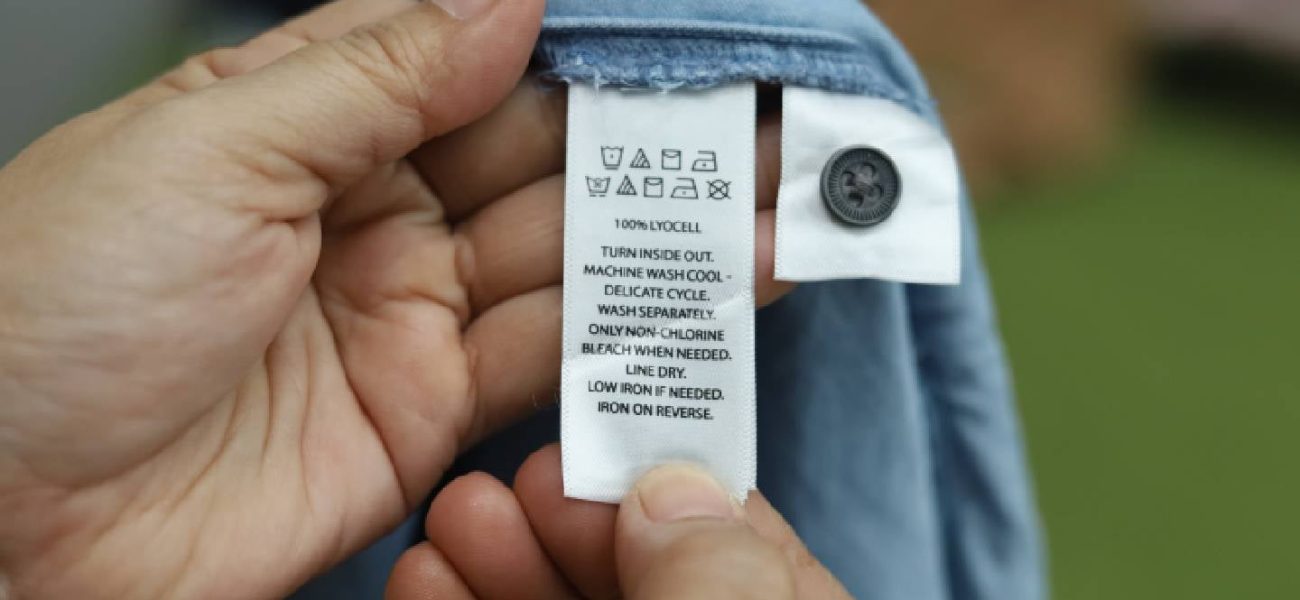
Circulose and Strategic Partner Launch Sustainable Lyocell Fiber Production from Recycled Textiles
POLICY WIRE — Stockholm, Sweden — A groundbreaking collaboration is set to revolutionize the textile industry, as Circulose®, the innovative dissolving pulp made from 100% recycled textile waste,...

POLICY WIRE — Stockholm, Sweden — A groundbreaking collaboration is set to revolutionize the textile industry, as Circulose®, the innovative dissolving pulp made from 100% recycled textile waste, partners with a leading cellulose fiber technology association (CTA) to produce sustainable lyocell fibers.
This strategic alliance aims to integrate Circulose pulp into the manufacturing process for lyocell, a regenerated cellulose fiber known for its environmentally responsible closed-loop production system. The initiative marks a significant step towards achieving true circularity within the fashion and textile sectors, offering a viable alternative to traditional virgin materials.
The move comes amidst growing global demand for eco-friendly solutions and increased awareness of environmental challenges. As many regions grapple with the severe impacts of climate change, exemplified by events such as extreme weather conditions, the urgency for sustainable industrial practices has never been clearer. Read More: Delhi Heatwave: Schools Mandate ‘Water Bells’ Amid Record Temperatures and Public Health Crisis
Advancing Circularity in Textiles
Lyocell fiber production, inherently more sustainable than conventional methods, gains an even stronger environmental profile by utilizing Circulose pulp. This innovative pulp is derived entirely from discarded textiles, reducing the need for new raw materials like cotton or wood pulp and diverting waste from landfills.
The combination of advanced recycling technology and efficient fiber manufacturing processes promises a significant reduction in the environmental footprint associated with textile production. This includes decreased water consumption, minimized chemical use, and lower carbon emissions.
📄 POLICY WIRE WHITEPAPER PUBLISHED: PAKISTAN'S NATIONAL SECURITY POLICY PRIORITIES
👉 READ BY CLICKING HEREImpact on the Fashion Industry
Brands and designers are increasingly seeking sustainable inputs to meet consumer expectations and regulatory requirements. The availability of high-quality lyocell fibers produced from Circulose pulp will provide a compelling option for creating garments and products that align with circular economy principles.
This partnership underscores a broader trend of industries investing in cutting-edge technologies and sustainable infrastructure to future-proof their operations. Similar to large-scale infrastructure projects designed to boost capacity and efficiency, this collaboration represents a forward-thinking investment in eco-innovation for the textile sector. For other examples of significant industrial advancements, consider reading about Frankfurt Airport’s Unveiling of State-of-the-Art Terminal 3.
The collaboration signifies a pivotal moment for textile recycling, demonstrating the potential for discarded fabrics to become valuable resources for high-performance, sustainable materials.