


Lufthansa Scales Back Summer Flight Schedule Amid Escalating Fuel Prices and Operational Pressures
POLICY WIRE — Frankfurt, Germany — Lufthansa, Germany’s flagship air carrier, has announced significant adjustments to its upcoming summer flight schedule, primarily attributing these changes...

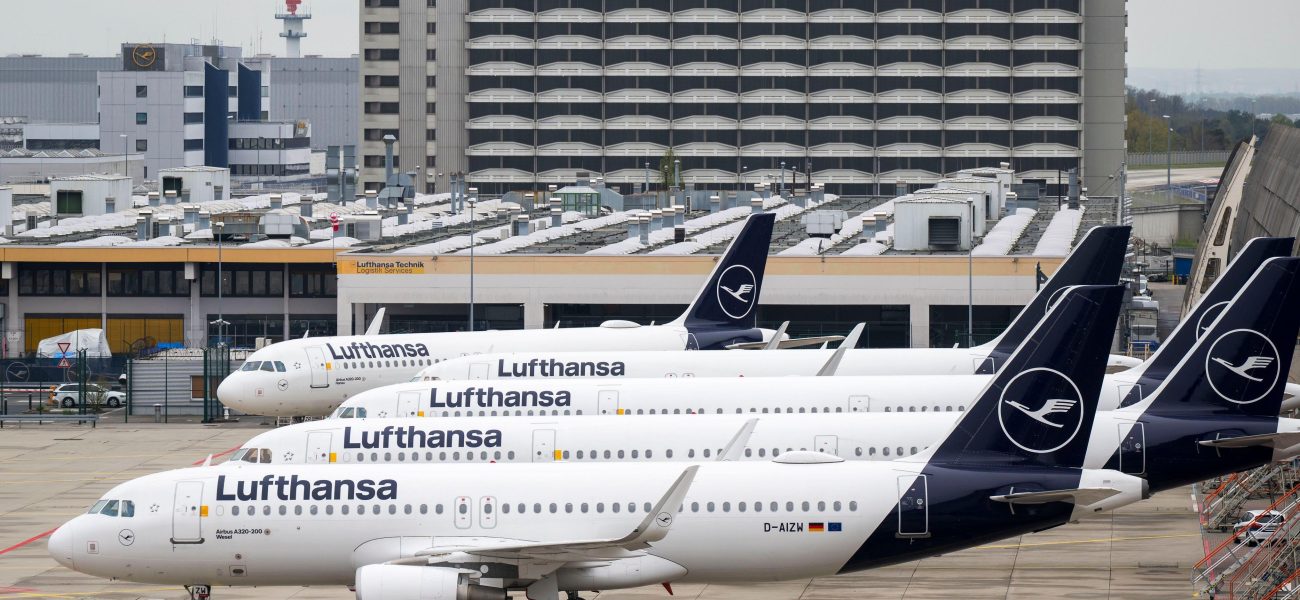
POLICY WIRE — Frankfurt, Germany — Lufthansa, Germany’s flagship air carrier, has announced significant adjustments to its upcoming summer flight schedule, primarily attributing these changes to a dramatic increase in the cost of aviation fuel.
The airline revealed that it would be reducing its planned flight offerings for the peak summer travel season, a decision expected to impact numerous routes across its extensive network. This strategic cutback aims to mitigate the financial strain imposed by the current volatile energy markets and optimize operational efficiency.
Soaring Fuel Costs Drive Airline Adjustments
Global crude oil prices have experienced an unprecedented surge, largely influenced by ongoing geopolitical tensions and increased demand as travel recovers worldwide. For airlines, fuel constitutes one of the largest operational expenditures, making them highly susceptible to price fluctuations.
Industry analysts suggest that the current fuel price levels are putting immense pressure on carriers globally, forcing many to re-evaluate their service frequencies and capacity. This trend is not unique to European airlines, but Lufthansa, with its significant operational scale, feels the impact acutely.
The decision by Lufthansa highlights a broader challenge confronting the aviation sector as it navigates economic headwinds following the pandemic recovery. Such measures are often necessary to maintain profitability and long-term sustainability amidst external economic pressures.
Read More: EU Envoys Convene to Expedite Crucial Ukraine Financial Aid Package
📄 POLICY WIRE WHITEPAPER PUBLISHED: PAKISTAN'S NATIONAL SECURITY POLICY PRIORITIES
👉 READ BY CLICKING HEREImpact on Travelers and Future Outlook
Travelers planning summer getaways may encounter fewer available flights and potentially higher airfares as a direct consequence of these capacity reductions. The airline intends to communicate specific route adjustments and provide alternatives for affected passengers in the coming weeks.
The adjustments also underscore the complex operational landscape for major aviation hubs. For instance, Frankfurt Airport, a key gateway for international travel, continues to adapt its infrastructure and services to meet evolving industry demands and economic realities.
While demand for air travel remains robust, particularly for leisure, airlines like Lufthansa are forced to balance passenger expectations with economic realities. The ongoing situation emphasizes the interconnectedness of global energy markets and the airline industry’s operational viability.