

EU Sanctions Loom Over Russia’s Venice Biennale Participation
POLICY WIRE — Venice, Italy — The European Union is currently evaluating the implementation of potential sanctions specifically targeting Russia’s involvement in the renowned Venice Biennale, a...

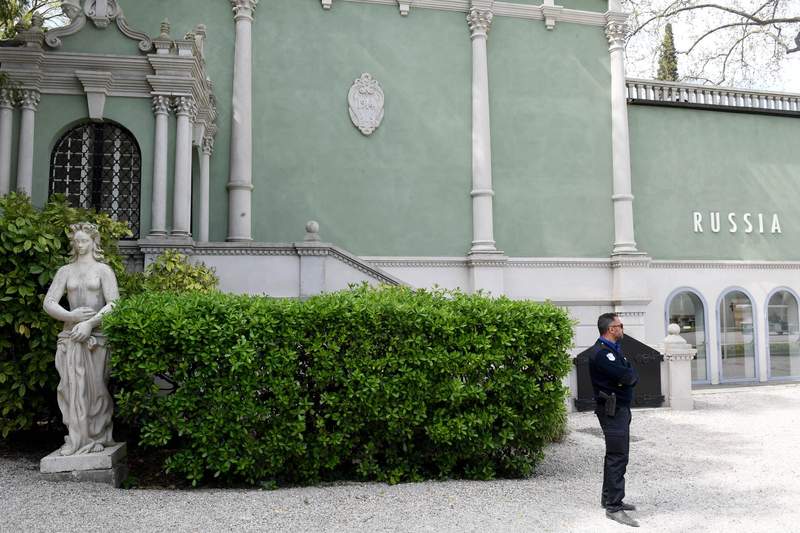
POLICY WIRE — Venice, Italy — The European Union is currently evaluating the implementation of potential sanctions specifically targeting Russia’s involvement in the renowned Venice Biennale, a move that could significantly alter the prestigious international art exhibition.
Discussions among member states revolve around measures designed to address Moscow’s continued presence at the globally recognized cultural event. These deliberations underscore the deepening political rift between the West and Russia, reflecting broader geopolitical concerns.
Sources close to the negotiations indicate that the proposed sanctions aim to apply diplomatic pressure, potentially restricting Russian artists or state-sponsored representation at future editions of the Biennale. The initiative is being considered as part of a wider strategy to isolate Russia on the international stage following its actions in Eastern Europe.
Historically, the Venice Biennale, established in 1895, has served as a critical platform for global artistic expression and cultural diplomacy. Any decision by the EU to impose restrictions would mark a significant moment in the intersection of international politics and the arts.
Geopolitical Context and Cultural Impact
The potential imposition of sanctions comes amidst a period of heightened international scrutiny regarding Russia’s global engagements. Cultural institutions worldwide have faced increasing pressure to take a stance on geopolitical conflicts, leading to varied responses concerning Russian participation.
This development is not an isolated incident but rather part of a growing trend where major international events, from sports championships to art festivals, find themselves intertwined with complex political agendas. The EU’s discussions highlight the evolving role of cultural forums in contemporary international relations.
“The ongoing deliberations signify a firm stance by the European Union on matters of international conduct,” a Brussels diplomat stated anonymously. “It reflects a commitment to leverage all available tools, including cultural avenues, to uphold democratic values.”
📄 POLICY WIRE WHITEPAPER PUBLISHED: PAKISTAN'S NATIONAL SECURITY POLICY PRIORITIES
👉 READ BY CLICKING HERE
The decision to proceed with sanctions, or to issue a strong diplomatic statement, will have repercussions for both the organizational structure of the Biennale and the international cultural community’s relationship with Russia. It could set a precedent for how major cultural events navigate future political crises.
Read More: Asylum Seeker Arrested Near Israeli Embassy Details Perilous UK Boat Journeys
Future of Russian Representation
While specific details of the proposed sanctions remain under discussion, the general sentiment within the EU is that Russia’s cultural representation at such high-profile events cannot remain unaffected by its political actions. This sentiment aligns with calls from various cultural bodies and human rights organizations for greater accountability.
The international art community will be closely watching the outcome of these EU discussions, as it could influence participation and exhibition policies at other global cultural showcases. The balancing act between artistic freedom and political statements remains a central challenge.
Read More: Duke Blue Devils Secure Top Transfer Guard John Blackwell from Wisconsin