


Warning: Sophisticated Fake CAPTCHA Scams Now Stealing User Data and Spreading Malware
POLICY WIRE — Albuquerque, United States — Many internet users are familiar with CAPTCHA challenges designed to verify human interaction with websites; however, a new wave of these prompts is...

POLICY WIRE — Albuquerque, United States — Many internet users are familiar with CAPTCHA challenges designed to verify human interaction with websites; however, a new wave of these prompts is actually a sophisticated scam.
The Deceptive CAPTCHA Threat
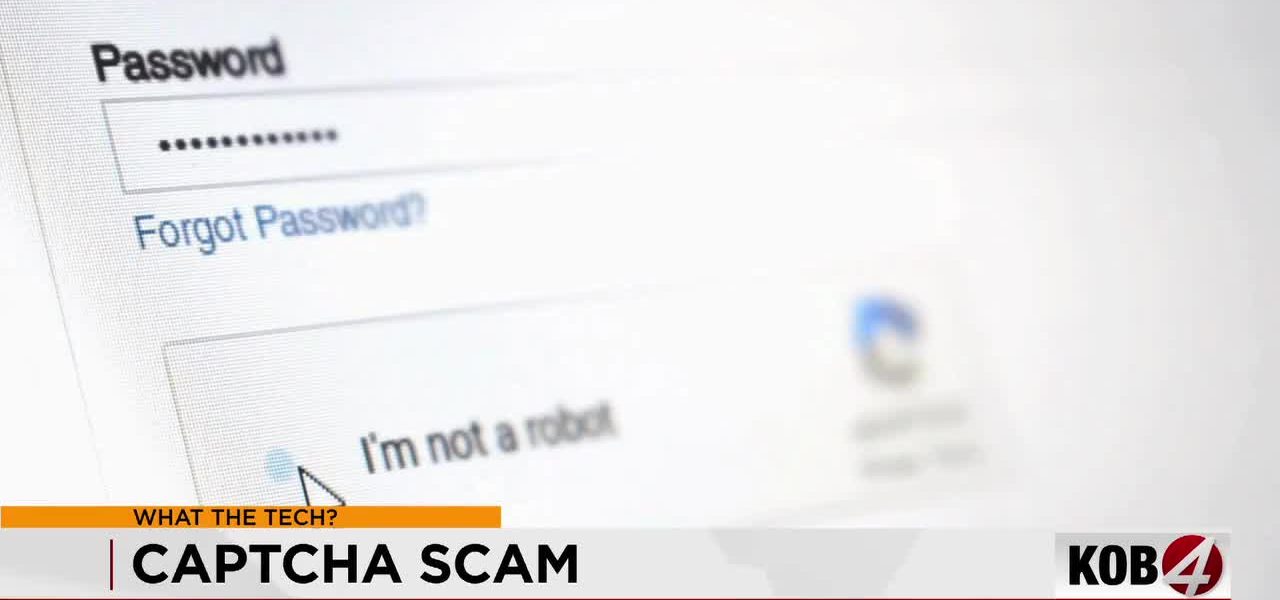
The Identity Theft Resource Center (ITRC) has issued a stern warning regarding cybercriminals deploying fraudulent CAPTCHA pages to exploit unsuspecting individuals. These deceptive pages are designed to trick users into executing malicious commands and subsequently installing data-stealing software.
Visually, these fake CAPTCHA interfaces often mimic legitimate ones. Users clicking on them will receive an error message, followed by instructions to enter a specific key sequence: Windows Key + R, then Ctrl + V, and finally Enter.
How the Malware Operates
Complying with these instructions triggers the automatic download of a dangerous malware known as “Stealthy StealC Information Stealer.” This malicious program is engineered to extract a wide array of personal data, including sensitive information such as passwords, email credentials, browser history, cryptocurrency wallet details, and even gaming account access.
Victims often remain unaware of the breach until they observe unusual financial transactions or find themselves locked out of their personal accounts. The repercussions of such an attack can be severe, leading to significant financial loss and identity compromise. Read More: Urgent Cybercrime Alert: Fake CAPTCHA Scams Stealing Passwords and Data
Protecting Yourself from Digital Fraud
A fundamental rule of online safety is paramount: no authentic website will ever instruct you to open a system “run” box or paste commands directly into your computer. Encountering such a request should be an immediate red flag.
📄 POLICY WIRE WHITEPAPER PUBLISHED: PAKISTAN'S NATIONAL SECURITY POLICY PRIORITIES
👉 READ BY CLICKING HERE“If a website asks you to input system commands or open a run box, close the tab immediately. Do not click back, and do not follow any further instructions.”
If you suspect you have inadvertently fallen victim to this scam, immediate action is crucial. Disconnect your device from the internet without delay. Following this, perform a comprehensive security scan of your system and diligently monitor all bank and credit card statements for any unauthorized activity.
Cybercriminals are relentless in their pursuit of personal data for identity theft. Remaining vigilant and suspicious of any unfamiliar or questionable web pages is essential for safeguarding your digital security. The ongoing efforts by local authorities and public safety organizations underscore the importance of digital vigilance in safeguarding community well-being. For instance, recent developments in public safety leadership in the region highlight a broader commitment to security measures. Read More: Albuquerque City Council Mandates Enhanced Renter Cooling, Appoints New Public Safety Leadership