


Pittsburgh Penguins Face Critical Game 3: Strategic Adjustments Needed for Playoff Comeback
POLICY WIRE — Pittsburgh, USA — Facing a daunting two-game deficit in their opening-round series, the Pittsburgh Penguins are under immense pressure as they head to Philadelphia for Game 3 of the...

POLICY WIRE — Pittsburgh, USA — Facing a daunting two-game deficit in their opening-round series, the Pittsburgh Penguins are under immense pressure as they head to Philadelphia for Game 3 of the 2026 Stanley Cup Playoffs. After losing the first two contests at home, the team risks falling into a virtually insurmountable 0-3 hole by Wednesday evening without immediate strategic adjustments. Head coach Dan Muse and the Penguins’ coaching staff are reportedly considering several significant modifications to their lineup and tactics, including potential personnel shifts, to revitalize their performance against the aggressive Philadelphia Flyers.
The intensity of playoff hockey often necessitates swift and decisive strategic responses, a challenge not unique to the NHL. Teams across various professional sports, including those gearing up for their respective championships, frequently encounter similar pressures to adapt. Learn more about the comprehensive schedule and strategies of other major tournaments, such as the NBA Playoffs 2026.
Key Strategic Adjustments for Game 3
The Penguins’ struggles in the initial two games have highlighted critical deficiencies across multiple facets of their play. To mount a comeback in this pivotal series, a multifaceted approach is required. Here are some pivotal areas for potential tactical and lineup alterations:
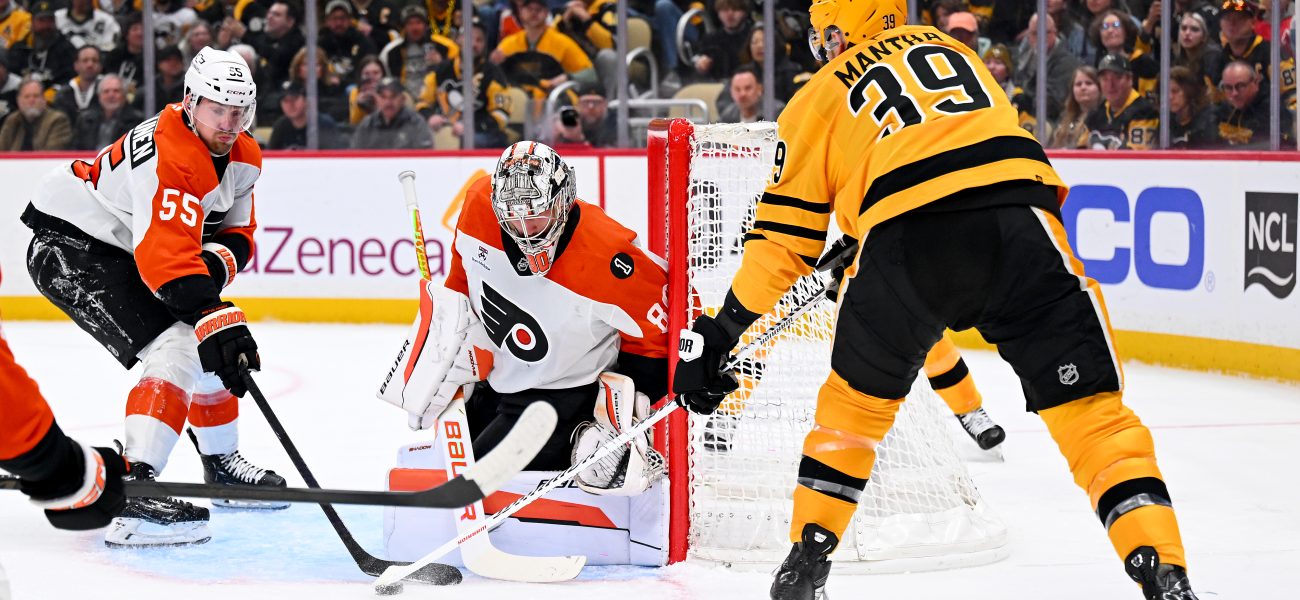
- Revamping the Power Play Units: The Penguins’ special teams have been notably ineffective. During Monday night’s Game 2, the team squandered five power-play opportunities, managing only two shots on goal and conceding a critical shorthanded goal. Flyers coach Rick Tocchet acknowledged his team’s aggressive penalty-killing strategy, stating, “We’re a little more aggressive. A little more pressure.” This pressure stifled Pittsburgh’s puck movement, hindered zone entries, and led to dangerous breakaways. Introducing fresh personnel or shuffling existing players, such as elevating a dynamic forward like Anthony Mantha to the first unit, could foster a more potent and shot-oriented attack.
- Realigning Top Six Forward Combinations: Early in the series, the Penguins deployed Egor Chinakhov alongside Sidney Crosby and Rickard Rakell centering Evgeni Malkin. This configuration proved largely unsuccessful at even strength. Coach Muse experimented with swapping Chinakhov and Rakell mid-game during Monday’s second period, returning them to their regular season lines with Malkin and Crosby, respectively. While Muse remained non-committal post-game due to insufficient sustained play, these combinations had demonstrated considerable chemistry and offensive productivity late in the regular season. Reverting to the Chinakhov-Malkin and Rakell-Crosby pairings could be instrumental in sparking the team’s stagnant offense.
- Introducing Fresh Offensive Talent: Few forwards have consistently performed at a high level through the first two games. The team might consider inserting prospect Justin Brazeau into the lineup. This move would likely involve scratching a struggling bottom-six forward, providing Brazeau an opportunity to inject energy and offensive spark into the faltering attack.
- Strengthening Defensive Pairings: The defensive unit has also shown vulnerabilities. The pairing of Ryan Shea and Connor Clifton, in particular, struggled in Game 2, yielding 10 shot attempts against compared to nine for the Penguins while they were on ice, according to MoneyPuck – the worst ratio among defensive duos. Recalling Jack St. Ivany, who has experience playing alongside Shea from earlier in the season, presents a viable option to replace Clifton and potentially stabilize the defensive corps.
“I’m not in a position right now to really make any decisions in terms of lineup for next game,” Muse said after the loss. “That’s something— we’ll look at film, we’ll speak as a staff. We’ll make those decisions later.”
- Optimizing Zone Entry Strategies: The Flyers have effectively neutralized the Penguins’ typical zone entry tactics. Pittsburgh frequently resorted to dump-and-chase plays along the boards, even on power plays, often resulting in immediate puck clearances by Philadelphia. Coach Tocchet’s aggressive defensive system has proven adept at countering the Penguins’ controlled breakouts. The team must innovate its offensive zone entry methods to maintain possession, generate sustained pressure, and overcome the Flyers’ defensive scheme in Game 3.
Anticipating Wednesday’s Crucial Matchup
The Penguins will not hold a practice session the day after Game 2, affording them time to review game footage and collaboratively strategize ahead of Wednesday’s critical 7 p.m. ET puck drop. The fate of their Stanley Cup Playoff journey hinges on the effectiveness of these forthcoming adjustments.
📄 POLICY WIRE WHITEPAPER PUBLISHED: PAKISTAN'S NATIONAL SECURITY POLICY PRIORITIES
👉 READ BY CLICKING HERERead More: Arsenal’s Bukayo Saka Injury Update: Champions League Return Against Atletico Madrid Eyed