
Massive Attack, Sigur Rós, Kneecap Urge Eurovision Boycott Amid Israel Controversy
POLICY WIRE — Malmö, Sweden — Several highly influential musical acts, including British trip-hop pioneers Massive Attack, Northern Irish hip-hop trio Kneecap, and Icelandic post-rock band Sigur Rós,...

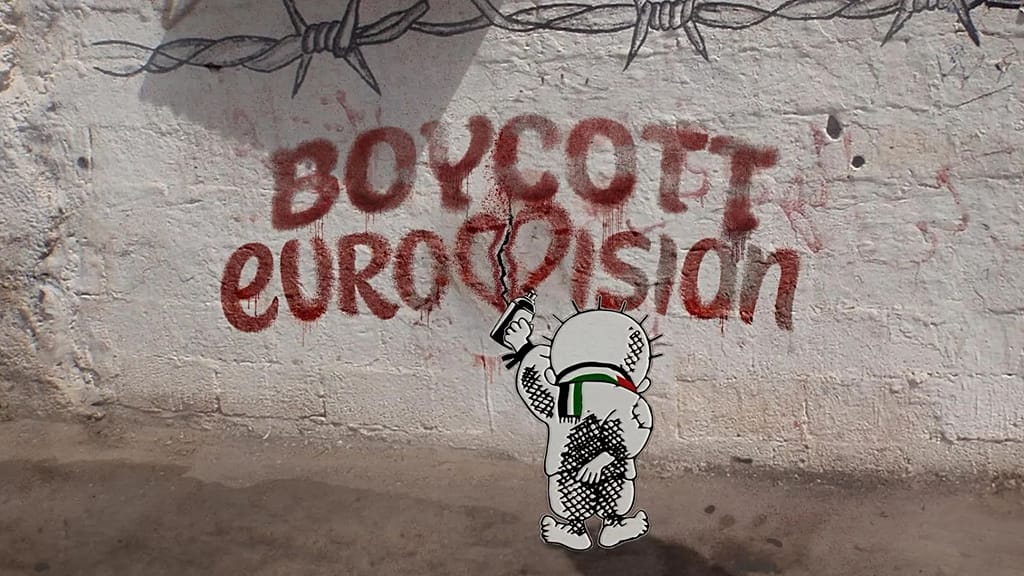
POLICY WIRE — Malmö, Sweden — Several highly influential musical acts, including British trip-hop pioneers Massive Attack, Northern Irish hip-hop trio Kneecap, and Icelandic post-rock band Sigur Rós, have publicly called upon their fanbase to boycott the upcoming Eurovision Song Contest in protest of Israel’s participation.
This collective appeal from prominent artists adds significant weight to the ongoing debate surrounding the inclusion of Israeli delegates in the international music competition, especially given the current geopolitical climate. Their stance highlights a growing trend among cultural figures to use their platforms for political advocacy.
Artists’ Collective Stance on Eurovision
The renowned groups have independently voiced their strong objections, urging a widespread boycott of the annual spectacle. Their primary concern centers on the presence of Israel within the competition, sparking a broader conversation about the intersection of arts, politics, and international relations.
“We believe cultural events like Eurovision should not serve as a platform to normalize or deflect from severe human rights concerns. Our call is a direct appeal to conscience for fans and fellow artists alike,” a representative statement, echoing the sentiments of the boycotting artists, implicitly suggests.
This move positions the artists at the forefront of a contentious issue that challenges the long-standing tradition of separating sport and culture from politics. The debate has intensified across various European nations, with some governments also weighing in on the issue.
Read More: EU-Israel Association Agreement: Spain, Slovenia, Ireland Urge Suspension Debate
📄 POLICY WIRE WHITEPAPER PUBLISHED: PAKISTAN'S NATIONAL SECURITY POLICY PRIORITIES
👉 READ BY CLICKING HEREImplications for the Eurovision Song Contest
The direct intervention by artists of such caliber creates a considerable dilemma for the European Broadcasting Union (EBU), the organizing body behind the Eurovision Song Contest. While the EBU maintains that Eurovision is a non-political event, calls for boycotts often introduce significant public relations challenges and potential audience alienation.
Previously, similar movements have led to spirited discussions and even protests during the event. The artists’ appeal specifically targets fans, aiming to influence viewership and engagement with the contest as a form of non-violent protest.
- Massive Attack, known for their politically charged lyrics and activism, brings a legacy of dissent to the cause.
- Kneecap, with their distinct cultural and linguistic identity, adds a unique voice to the boycott.
- Sigur Rós, celebrated for their ethereal soundscapes, demonstrates the breadth of artistic genres engaged in the protest.
The boycott plea underscores the growing demand from a segment of the global population for greater accountability and ethical considerations in international cultural gatherings. It also highlights how artists increasingly feel compelled to use their influence to address perceived injustices on the global stage. This situation mirrors other complex international issues where human rights are at the forefront of policy debates, such as the ongoing Rohingya Refugee Crisis.