

German Automakers Confront Market Shift: Losing Dominance in China’s EV Landscape
POLICY WIRE — Beijing, China — German automotive giants, once undisputed leaders in the vast Chinese market, are now grappling with a significant shift in consumer preferences, particularly within...

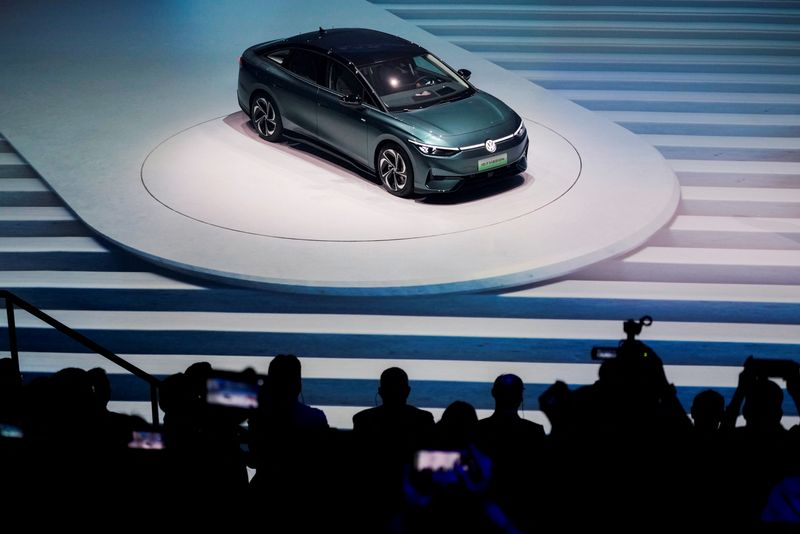
POLICY WIRE — Beijing, China — German automotive giants, once undisputed leaders in the vast Chinese market, are now grappling with a significant shift in consumer preferences, particularly within the burgeoning electric vehicle (EV) sector.
Their longstanding dominance, built on engineering prowess and luxury branding, is increasingly challenged by a new wave of innovative local manufacturers. Young Chinese buyers, in particular, are reportedly viewing traditional German brands as less appealing, often referring to them as “cars for the parents.”
The Shifting Tides of Consumer Preference
Historically, marques like Volkswagen, Mercedes-Benz, BMW, and Audi commanded substantial market share, symbolizing status and reliability. However, the rapid evolution of China’s domestic auto industry has introduced fierce competition, especially in the smart EV segment.
Local contenders such as BYD, Nio, and XPeng are capturing market attention with advanced battery technology, sophisticated in-car software, and intuitive digital ecosystems. These brands often offer features and connectivity tailored specifically to the tech-savvy Chinese consumer base, providing a stark contrast to some of the perceived conservatism of their European counterparts.
This embrace of homegrown tech is a major trend across China’s economy, influencing everything from e-commerce to mobility solutions. For deeper insights into this transformative force, consider the success of OpenClaw’s Phenomenal Ascent: Reshaping China’s Digital Economy and Tech Landscape.
Innovation Gap and Market Adaptation
Analysts suggest that German automakers have been slower to adapt to the speed and specific demands of the Chinese EV market. While investing heavily in electrification, their models are sometimes perceived as lagging in areas like user interface design, autonomous driving features, and seamless integration with popular local digital services.
This perception creates a generational divide, where younger buyers are drawn to the cutting-edge appeal of domestic EVs. The “for the parents” sentiment underscores a perception that German vehicles, while still reliable, lack the modern, tech-forward appeal sought by a demographic accustomed to rapid digital innovation.
📄 POLICY WIRE WHITEPAPER PUBLISHED: PAKISTAN'S NATIONAL SECURITY POLICY PRIORITIES
👉 READ BY CLICKING HERE“The German brands are still excellent, but for the younger generation, they don’t offer the same ‘wow’ factor or connectivity that local EVs do,” observed one industry expert. “It’s about the entire digital experience now, not just the engine.”
The challenge for these established European manufacturers lies in accelerating their innovation cycles and more effectively tailoring their products to the unique and fast-changing preferences of the Chinese market. Their future success in this crucial global market hinges on their ability to overcome this perception and reclaim relevance among younger buyers.
Read More: South Korea-India Summit: Lee Jae Myung, Modi, Samsung Chairman Ignite ‘Selfie Diplomacy’