


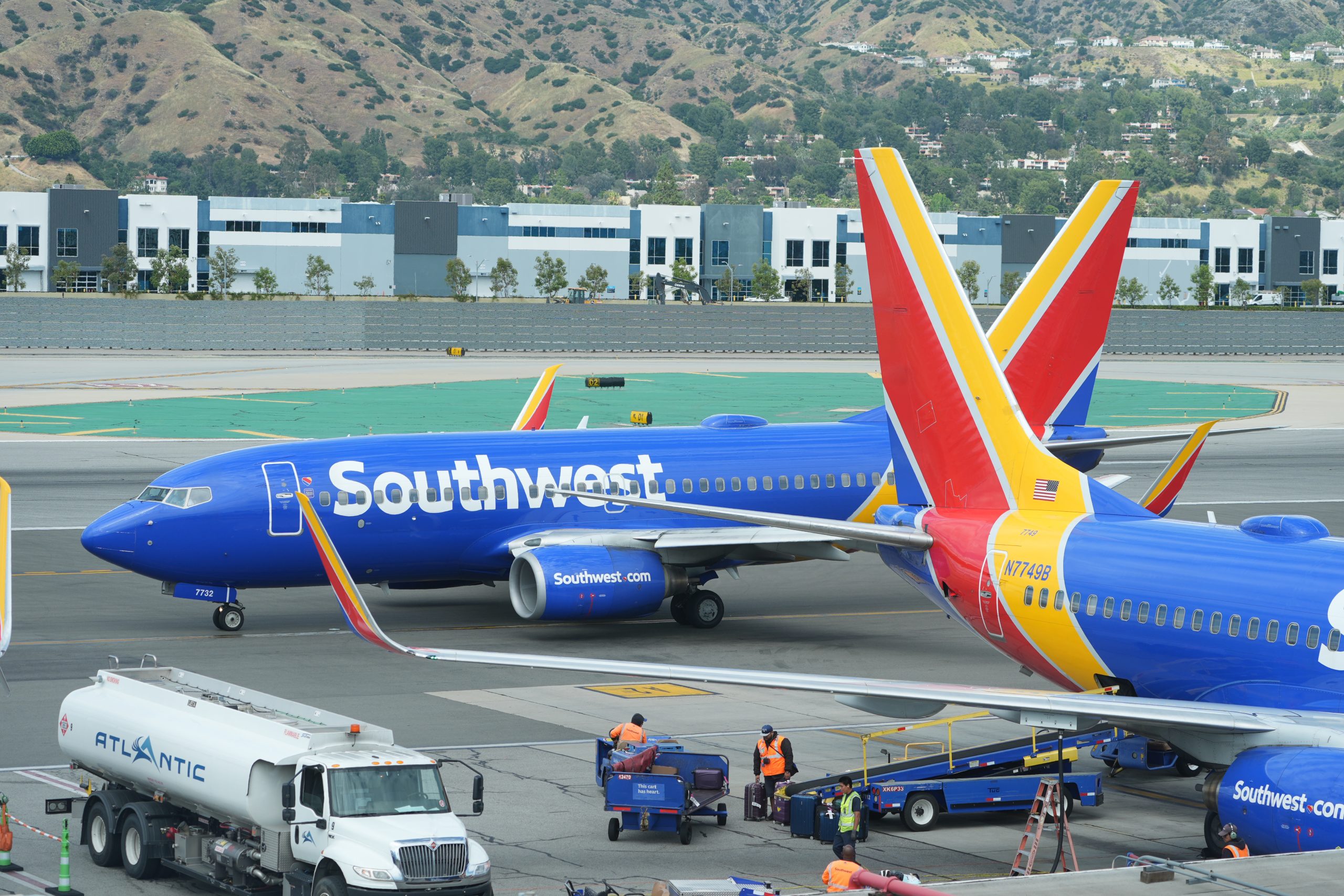
Southwest Airlines Near-Collision Averted at Nashville Airport; FAA Investigates
POLICY WIRE — Nashville, Tennessee — Two commercial aircraft operated by Southwest Airlines executed immediate evasive maneuvers to prevent a potential mid-air collision near Nashville International...

POLICY WIRE — Nashville, Tennessee — Two commercial aircraft operated by Southwest Airlines executed immediate evasive maneuvers to prevent a potential mid-air collision near Nashville International Airport (BNA), officials confirmed. This serious incident, involving two Boeing 737s, has prompted a comprehensive investigation by federal aviation authorities.
Details of the Nashville Air Traffic Incident
The close call unfolded on a recent Friday evening as one Southwest jetliner was preparing for departure from a runway, while another was on its final approach to land. Reports indicate that air traffic controllers instructed the departing aircraft to proceed, creating a dangerous proximity with the inbound plane. The pilots of both planes received alerts from their onboard traffic collision avoidance systems (TCAS), signaling the imminent threat.
In response to the automated warnings, both flight crews swiftly initiated evasive actions to re-establish a safe separation. Thankfully, these immediate interventions successfully prevented a catastrophic event. No injuries were reported among passengers or crew on either flight, and both aircraft landed safely at their intended destinations after the incident.
Read More: US Sources Allege Seized Iranian Vessel Carried Prohibited Dual-Use Equipment
Federal Aviation Administration Launches Probe
The Federal Aviation Administration (FAA) has officially launched a thorough investigation into the circumstances surrounding the near-collision. This probe will meticulously examine air traffic control communications, pilot adherence to protocols, and the sequences of events that led to the unsafe separation between the two aircraft.
A similar scrutiny is expected from the National Transportation Safety Board (NTSB), which typically reviews incidents that pose significant risks to aviation safety. Such events highlight critical safety concerns within the nation’s airspace management systems and can lead to revised procedures or technological enhancements.
Impact on Aviation Safety and Procedures
Incidents like the one at Nashville underscore the constant vigilance required in air traffic operations and the crucial role of both human controllers and advanced aircraft technology in preventing accidents. Aviation safety experts will be analyzing this event to identify any systemic vulnerabilities or operational errors that need immediate addressing.
Read More: U.S.-Flagged Cargo Ship Capsizes After Typhoon: Six Crew Members Missing, Intensive Search Underway