

Thailand & Mekong Region Grapple with Severe Forest Fires, Air Pollution Crisis
POLICY WIRE — Chiang Mai, Thailand — Extensive forest fires currently engulfing Laos, Myanmar, and Thailand are blanketing vast areas with hazardous smoke, straining emergency services and leaving...

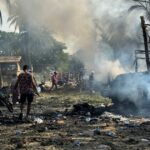
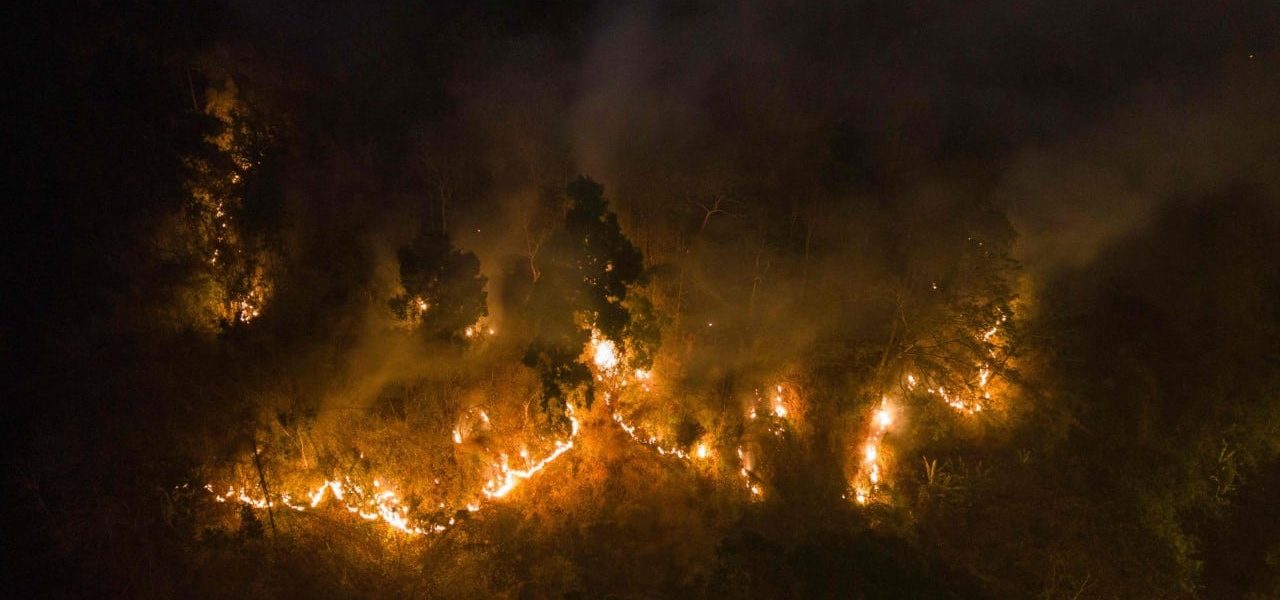
POLICY WIRE — Chiang Mai, Thailand — Extensive forest fires currently engulfing Laos, Myanmar, and Thailand are blanketing vast areas with hazardous smoke, straining emergency services and leaving affected communities dependent on rainfall and governmental intervention to address a recurring annual crisis.
These dry season infernos have ignited a significant public health emergency across northern Thailand, notably in Chiang Mai, as well as large portions of Laos and eastern Myanmar. Parched vegetation provides ideal conditions, turning the landscape into a tinderbox conducive to rampant wildfires.
Escalating Environmental and Health Emergency
The persistent blazes contribute to dangerously high levels of atmospheric particulate matter, jeopardizing the respiratory health of millions. Firefighting teams are working beyond their capacity, contending with the challenging terrain and the rapid spread of the fires.
“The air quality index has reached critical levels in several urban centers, prompting health advisories and calls for immediate, coordinated regional action,” stated a local environmental expert.
Understanding the interplay of weather patterns with such environmental events is crucial. For instance, dry spells and strong winds can significantly exacerbate wildfire conditions, much like how varied weather phenomena impact regions globally. Read More: New Mexico Weather: Virga Showers Monday, Strong Winds & Low-Pressure System Mid-Week Forecast
📄 POLICY WIRE WHITEPAPER PUBLISHED: PAKISTAN'S NATIONAL SECURITY POLICY PRIORITIES
👉 READ BY CLICKING HERECitizens in affected zones are increasingly vocal, urging their respective governments to implement more effective prevention strategies and allocate greater resources to combat the worsening annual environmental catastrophe. The long-term health consequences for residents exposed to prolonged periods of severe air pollution are a growing concern.
Governments face increasing pressure to devise comprehensive policies addressing not only the immediate crisis but also the underlying causes, such as agricultural burning and climate change-induced drought. Proactive measures are essential to mitigate future public health crises and environmental degradation, similar to how municipalities plan for extreme weather events. Read More: Albuquerque Council to Vote on Enhanced Rental A/C Standards Amid Heatwave Concerns