


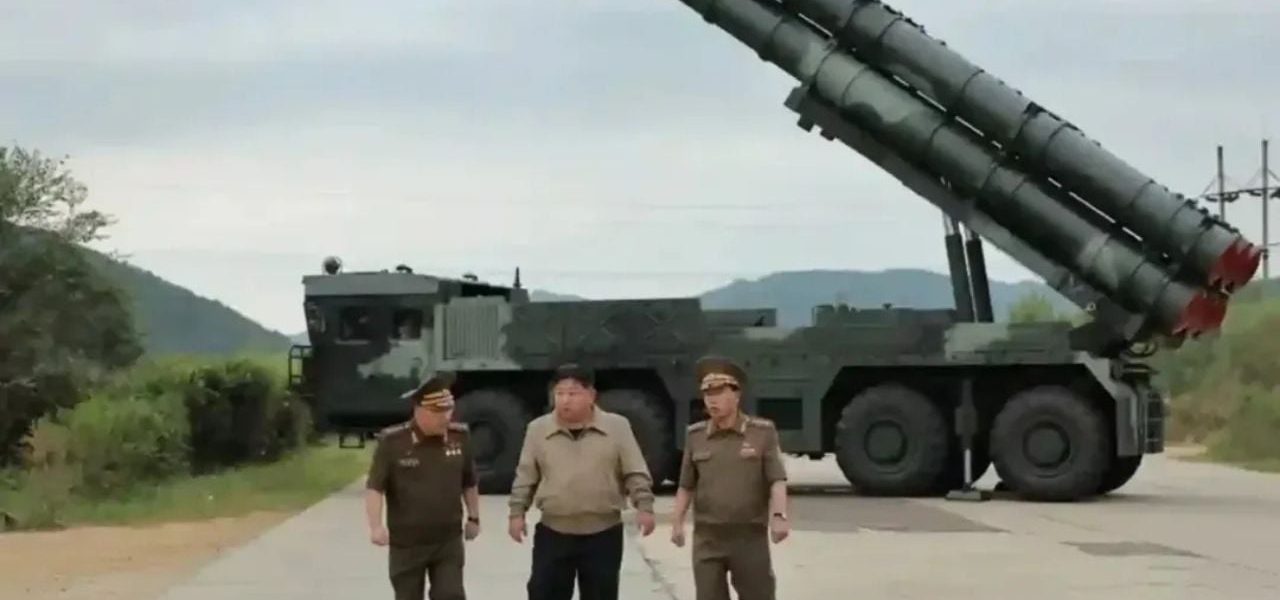
Ukraine Exposes North Korean Missile Design: Outdated Tech Delivers Brute Force Efficacy
POLICY WIRE — Kyiv, Ukraine — Ukrainian military intelligence has unveiled critical insights into North Korea’s ballistic missile technology, revealing a construction philosophy characterized...

POLICY WIRE — Kyiv, Ukraine — Ukrainian military intelligence has unveiled critical insights into North Korea’s ballistic missile technology, revealing a construction philosophy characterized by ruggedness and reliance on older components, yet proving surprisingly effective in combat.
Recent examinations by Ukrainian defense experts of recovered North Korean missiles, believed to be supplied to Russia, indicate a stark contrast to modern precision engineering. These weapons, despite their apparent technological limitations, consistently achieve their operational objectives on the battlefield.
Analysis of DPRK Missile Engineering
Investigators performing a detailed deconstruction of these projectiles discovered a manufacturing approach reminiscent of older Soviet-era designs. One primary characteristic is their robust, over-engineered construction, often utilizing materials and methods that are no longer standard in contemporary missile production.
The internal components, including guidance systems and propulsion units, reportedly employ technology that is decades old. Despite this, the missiles demonstrate a functional reliability, capable of withstanding the rigors of launch and flight to hit designated targets.
“They are built like old trucks – brute force, outdated technology, and somehow it just works,” commented a Ukrainian defense official involved in the analysis, highlighting the paradoxical nature of their effectiveness.
Implications for Global Security
The findings underscore North Korea’s capability to produce weapons that, while lacking advanced sophistication, pose a significant threat due to their sheer destructive power and functional consistency. This revelation comes amid growing international concerns regarding the proliferation of such arms.
📄 POLICY WIRE WHITEPAPER PUBLISHED: PAKISTAN'S NATIONAL SECURITY POLICY PRIORITIES
👉 READ BY CLICKING HEREThe continued supply of these weapons to active conflict zones, such as the war in Ukraine, raises questions about global arms control and the effectiveness of international sanctions against the Democratic People’s Republic of Korea (DPRK).
Read More: Mossad, Shin Bet, IDF Uncover Global Iranian Terror Network Operations
Such analyses are crucial for understanding the evolving landscape of military technology and the challenges posed by states that prioritize operational capability over technological advancement. The durability and effectiveness of these older designs present a unique challenge for defensive strategies that often focus on countering cutting-edge threats.