


Chernobyl’s Wildlife Resurgence: Nature’s Remarkable Resilience in the Exclusion Zone
POLICY WIRE — Kyiv, Ukraine — The infamous site of the 1986 nuclear catastrophe, Chernobyl, has unexpectedly transformed into an extraordinary haven for a diverse range of wildlife, showcasing...

POLICY WIRE — Kyiv, Ukraine — The infamous site of the 1986 nuclear catastrophe, Chernobyl, has unexpectedly transformed into an extraordinary haven for a diverse range of wildlife, showcasing nature’s astonishing capacity for recovery.
Thirty-eight years after the devastating accident at the Chernobyl Nuclear Power Plant, the vast Exclusion Zone surrounding the damaged reactor, once deemed uninhabitable, now teems with life. This area, largely untouched by human activity for decades, presents a compelling paradox: a highly contaminated environment that has become a refuge for numerous species.
An Unforeseen Ecosystem Flourishes
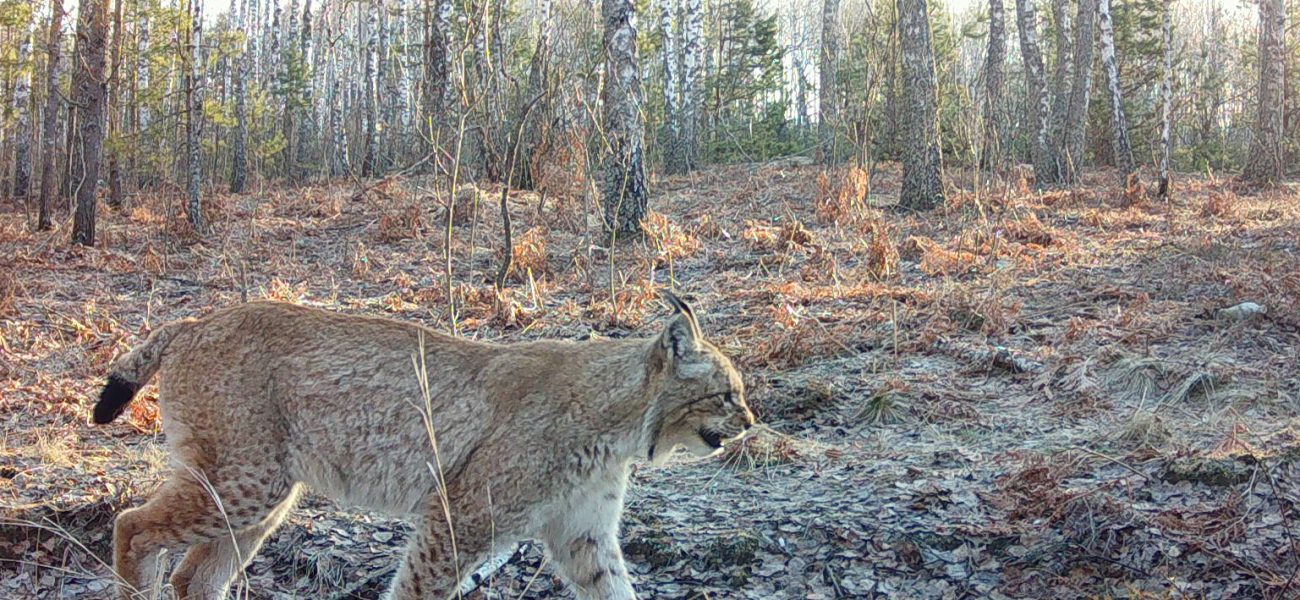
Scientists and observers have documented a remarkable return of animal populations within the roughly 2,600 square kilometer (1,000 square mile) zone. Majestic creatures like European brown bears, wolves, lynx, and wild boars now roam freely across the landscapes of northern Ukraine and southern Belarus.
Deer, elk, and various bird species have also established flourishing communities, demonstrating their adaptability to the unique conditions. Perhaps most striking is the presence of Przewalski’s horses, an endangered species reintroduced to the area, which has successfully multiplied within the zone.
The Science of Survival Amidst Radiation
Despite the persistent levels of radiation in certain areas, many animals appear to be thriving, often surpassing population densities found in less contaminated national parks. Researchers continually monitor these populations, studying the long-term biological effects of chronic, low-dose radiation exposure.
While some genetic mutations and health issues have been observed, the overall resilience and ability of these populations to reproduce and flourish continue to astound the scientific community. This unique natural laboratory offers invaluable insights into ecological adaptation and survival.
Read More: Russia Offers Deep Discounts on Sanctioned LNG to Energy-Starved South Asia Amid Global Crunch
A New Perspective on Human Absence
The transformation of Chernobyl underscores a critical lesson about the profound impact of human absence on the natural world. While the catastrophe was a direct result of human error and technological failure, the subsequent depopulation allowed nature to reclaim the territory, albeit in a radioactive context.
📄 POLICY WIRE WHITEPAPER PUBLISHED: PAKISTAN'S NATIONAL SECURITY POLICY PRIORITIES
👉 READ BY CLICKING HERE“The Chernobyl Exclusion Zone stands as a powerful, albeit tragic, experiment in ecological recovery, illustrating how quickly nature can rebound when human pressures are removed, even in the face of significant environmental adversity,” noted one environmental scientist.
This unprecedented scenario challenges conventional understanding of environmental contamination and recovery, suggesting that biodiversity can persist and even thrive under conditions previously thought impossible for complex ecosystems.
Read More: Kremlin Rejects Putin Isolation Claims Amid Viral Blogger Criticism Over Negative News
Ongoing Research and Future Outlook
The Chernobyl Exclusion Zone remains a critical site for ongoing ecological and radiobiological research. Studies here contribute to our understanding of radiation’s effects on living organisms and ecosystems, and how species evolve adaptive mechanisms.
The zone serves as a living monument to both human catastrophe and the enduring power of the natural world, continuing to inspire awe and reflection on humanity’s relationship with the environment.