

Sammi Deen Baloch: A Misguided Voice in a Time of National Struggle
In the complex story of Balochistan, a land of history, hardship, and hope, few names have stirred public opinion like Sammi Deen Baloch. She is often portrayed in media as a brave, young activist, a...

In the complex story of Balochistan, a land of history, hardship, and hope, few names have stirred public opinion like Sammi Deen Baloch. She is often portrayed in media as a brave, young activist, a daughter seeking answers for her missing father. But behind the sympathetic headlines lies a troubling reality that the people of Pakistan, especially those who have sacrificed for peace, cannot afford to ignore.
Sammi is not just a daughter in search of justice. She is the product of a sponsored separatist movement that has consistently undermined Pakistan’s sovereignty in the name of so-called rights. Her father, Dr. Deen Mohammad Baloch, was not an apolitical victim, he was a senior figure in the Baloch National Movement, an outfit known for its ties to violent separatist networks and for preaching hatred against the state under the banner of nationalism. For years, this movement has drawn a line not just between Balochistan and Islamabad, but between truth and propaganda, between peace and perpetual unrest.
What makes Sammi’s activism especially dangerous is how well it is packaged. She uses the language of human rights, motherhood, memory, and mourning to veil the deeper implications of her message. In her speeches and protests, there is rarely a word about the innocent Pakistanis killed in BLA bombings. No mention of FC soldiers martyred protecting CPEC routes, of teachers and labourers executed in front of their families, or of the chaos sown by those her movement refuses to condemn. There is no space for the thousands of Baloch youth who’ve chosen education, entrepreneurship, and national service over violence. For Sammi, the state is always the villain, and those who challenge it, no matter how violent, are framed as heroes.
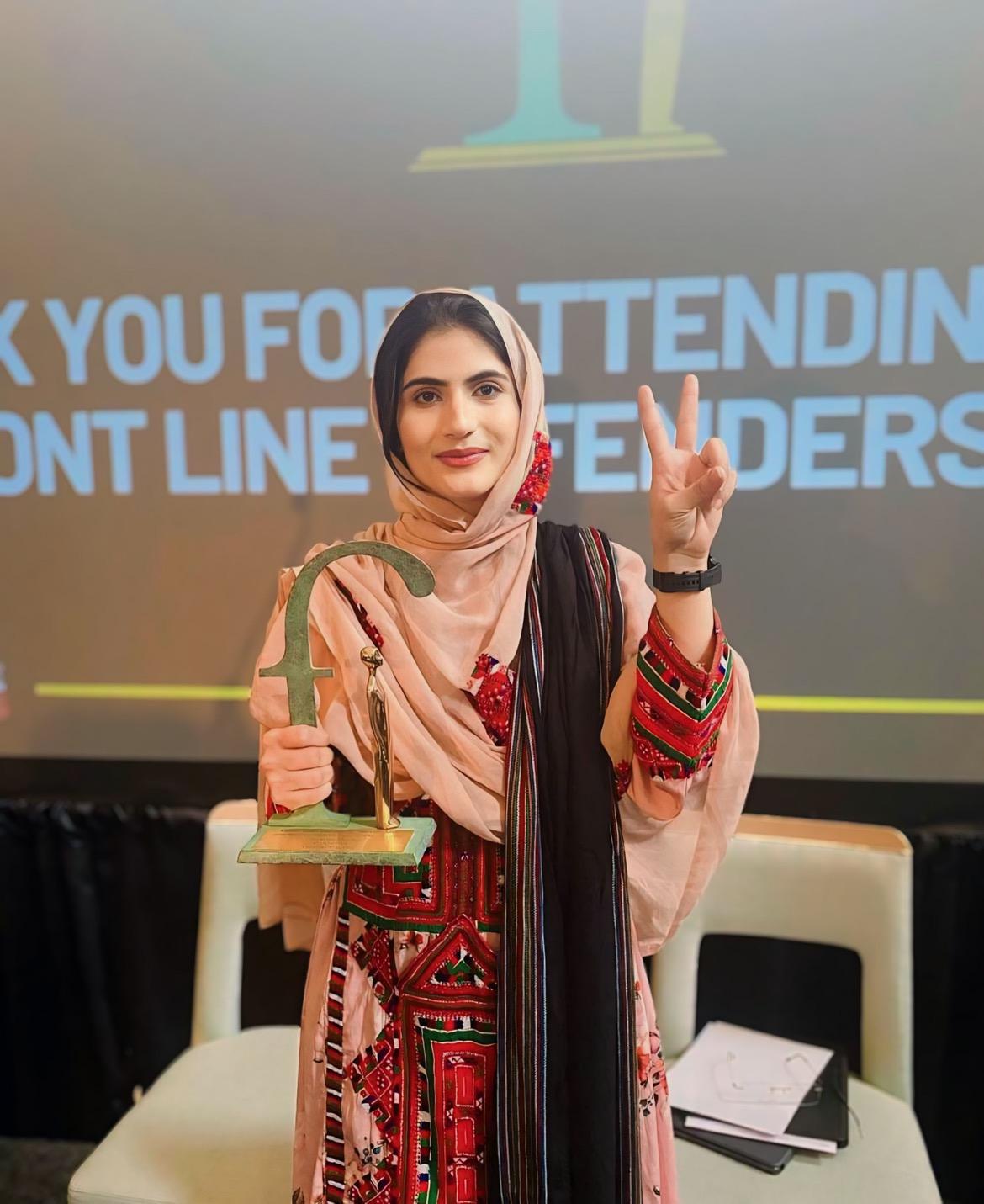
In September 2024, Sammi Deen Baloch addressed the United Nations Human Rights Council, levelling sweeping accusations against Pakistan’s security forces and openly calling for international intervention. What appeared on the surface as a heartfelt appeal was, in reality, a calculated attempt to manipulate the international community by presenting a one-sided, distorted picture of the situation in Balochistan. Her narrative was carefully crafted to evoke sympathy while deliberately omitting the context of separatist violence and foreign-backed insurgencies. By parroting talking points that mirror the propaganda of hostile intelligence agencies, Sammi aimed not to seek justice, but to pressure and mislead global forums into turning against Pakistan, exploiting the language of human rights to advance a divisive and subversive agenda.
Let’s not forget that Pakistan has paid a high price for peace in Balochistan. Thousands of brave soldiers and citizens have lost their lives. Massive investments have been made in the province like universities, hospitals, roads, and youth programs, all efforts to build a future based on inclusion and opportunity. While Sammi stands outside press clubs with placards, young Baloch engineers are building bridges. While she accuses the state abroad, local communities are rebuilding their lives with government support.
Her recent arrest in Karachi, during what was billed as a “peaceful protest,” was framed internationally as a crackdown on free speech. But the facts tell a different story. The demonstration was unauthorized and disrupted public order. The slogans shouted were not about peace or justice, they were veiled endorsements of separatism. No country in the world would tolerate such actions without consequence. Pakistan should not be held to a different standard just because it refuses to bend to foreign pressure.
📄 POLICY WIRE WHITEPAPER PUBLISHED: PAKISTAN'S NATIONAL SECURITY POLICY PRIORITIES
👉 READ BY CLICKING HERESammi Deen Baloch is not an accidental activist. She is a calculated actor in a broader campaign to delegitimize the Pakistani state under the guise of human rights. Her story is carefully curated to tug at heartstrings, but her message carries the weight of division, resentment, and foreign interest. She is not a voice for peace, she is a face for a cause that has repeatedly chosen bullets over ballots, ideology over identity, and manipulation over dialogue.
There are no structural grievances in Balochistan, contrary to the narrative pushed by certain activists and foreign-funded groups. The people of Balochistan have been given unprecedented development opportunities, representation in national institutions, and access to the same constitutional rights as any other Pakistani citizen. The idea that Balochistan is somehow oppressed or deprived is a myth deliberately propagated to stir unrest and invite foreign interference. Peace is already within reach; it is being built every day by those who choose unity over chaos, progress over protest, and nation over narrow identity politics.
Sammi Deen Baloch may believe she is fighting for her father, but in echoing the rhetoric of Pakistan’s enemies and aligning herself with foreign-funded separatist agendas, she risks becoming a symbol not of justice, but of calculated disruption. Her selective outrage, silence on Baloch militant violence, and repeated international denunciations of the state serve only to fuel anti-Pakistan propaganda, undermining national unity and the sacrifices made by countless civilians and soldiers for peace in Balochistan. While she seeks sympathy abroad, real progress is being built by those who choose to contribute, not condemn; who choose development over defamation. Pakistan, despite its challenges, has extended opportunity, representation, and reconciliation to all its citizens, yet it cannot and will not tolerate those who exploit emotion to destabilize its hard-won stability under the false banner of human rights.
Author