


In recent years, Balochistan has often found itself in the headlines, not because of its rich natural resources, diverse culture, or its potential for economic growth, but because of violence, unrest, and insurgency. At the center of much of this unrest is the Balochistan Liberation Army (BLA), a group that presents itself as a voice for the people of Balochistan but has, in reality, caused far more harm than good to the very population it claims to defend. The BLA has mastered the dangerous art of blurring the lines between peaceful activism and violent extremism, leaving ordinary people trapped in the middle of its violent agenda.
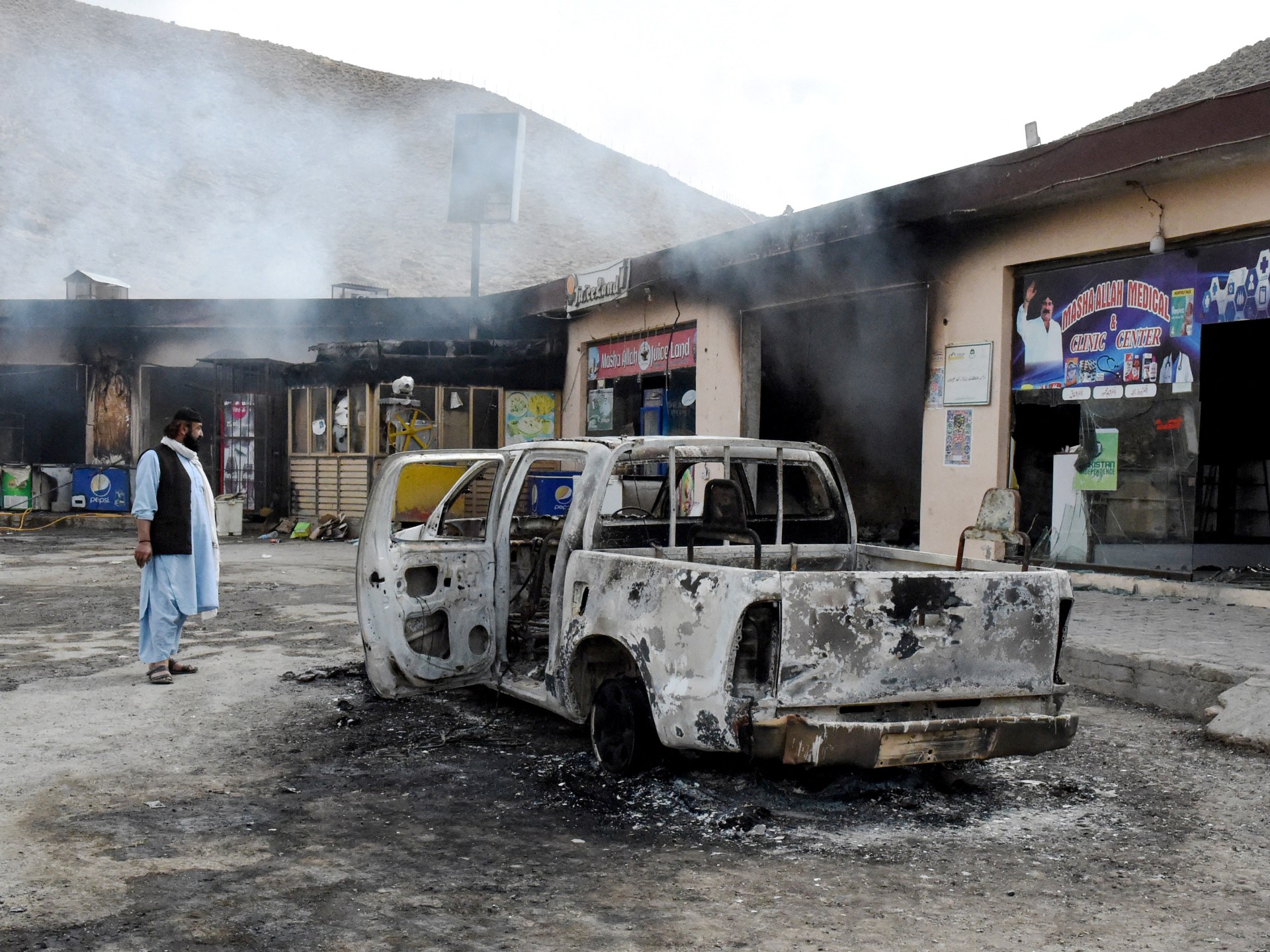
The BLA brands itself as a nationalist organization fighting for the rights of Baloch people, but the facts paint a different picture. Since its emergence, the BLA has been involved in hundreds of attacks targeting not only security forces but also civilians, teachers, doctors, laborers, and even students. According to the South Asia Terrorism Portal (SATP), the BLA has carried out more than 200 documented attacks in the past five years alone. These attacks are not symbolic gestures of resistance but acts of terrorism aimed at creating fear and instability. By targeting schools, hospitals, and infrastructure, the BLA disrupts the very development and progress that could improve the lives of ordinary Baloch people.
One of the most dangerous tactics used by the BLA is the manipulation of the genuine grievances of the Baloch population. It is undeniable that Balochistan faces social and economic challenges, but the BLA exploits these issues to justify its violent actions. This is not the work of activists striving for positive change. True activism is rooted in peaceful protest, dialogue, and efforts to work within the political and legal framework to achieve justice. In contrast, the BLA’s activities involve bombings, targeted killings, and kidnappings—tactics that only deepen the suffering of ordinary people in Balochistan.
An example of this violence was the 2018 attack on the Chinese Consulate in Karachi, which was claimed by the BLA. Such attacks not only risk the lives of innocent people but also harm Balochistan’s potential for economic growth. Foreign investments, which could bring jobs, education, and healthcare to the province, are scared away by the instability created by the BLA’s actions. The group’s violent extremism undermines any possibility of attracting industries and businesses that could lift local communities out of poverty. Instead of presenting solutions to the real issues faced by the people, the BLA turns Balochistan into a battlefield where violence overshadows development.
Moreover, the BLA’s rhetoric deliberately creates a sense of division between the Baloch population and the rest of the country. It portrays all state institutions as enemies, encouraging mistrust and hostility, which only serves to further isolate Balochistan from mainstream progress. This narrative is not only misleading but also harmful, as it ignores the fact that many Baloch people themselves reject violence and want to see their province prosper through peaceful means. According to surveys conducted by research organizations like Gallup Pakistan, a significant majority of Baloch citizens prioritize economic development, education, and healthcare over separatist politics.
The BLA’s tactics also create a very dangerous precedent. By presenting itself as a “freedom movement,” the group attempts to justify violence as a legitimate form of political expression. This opens the door for other extremist groups to do the same, using the cover of political activism to engage in violence and terrorism. It is important to understand that there is a clear line between fighting for rights and waging war against your own people and institutions. The BLA deliberately blurs this line, making it harder for genuine activists to be heard and further complicating the resolution of the very issues they claim to address.
What makes the situation worse is the external support the BLA receives from certain foreign entities that have their own strategic interests in destabilizing the region. Intelligence reports and independent security studies have repeatedly pointed out that the BLA receives financial and logistical assistance from abroad. This foreign backing does not come because of any genuine sympathy for the Baloch people but because instability in Balochistan serves the interests of those who want to weaken the state. This makes the BLA not a nationalist movement but a tool used by external powers to fulfill their own geopolitical ambitions.
The human cost of the BLA’s actions is enormous. Ordinary Baloch families, who already struggle with poverty, are forced to live in fear—fear of being caught in crossfire, fear of their children being recruited by militant networks, and fear of speaking out against violence. Teachers are scared to work in remote areas, healthcare workers hesitate to serve in conflict zones, and businesses shy away from investing in a province where violence can erupt at any moment. This is not the result of state neglect alone; this is the direct consequence of the BLA’s strategy of chaos.
In a region with such enormous potential, the BLA’s violence serves as a roadblock to progress. The Baloch people deserve better than being used as pawns in a violent game. They deserve schools that are safe from bombings, roads that are not mined, and hospitals that are not under threat. They deserve an environment where grievances can be addressed through dialogue, where political participation is encouraged, and where development is not held hostage by militancy.
The BLA’s narrative of victimhood wrapped in violence is not a path to freedom; it is a recipe for endless conflict and suffering. True freedom comes from education, economic opportunities, political participation, and development. It does not come from guns and bombs. The Balochistan Liberation Army, far from being a liberator, has become one of the biggest obstacles to the prosperity and stability of Balochistan. The people of the province, like people everywhere, deserve peace and progress, not endless war waged in their name.
Author’s Bio:
Hamnah Maryam holds an MPhil in Defence and Strategic Studies and focuses her research on security dynamics, strategic affairs, and regional geopolitics. Her academic work explores contemporary defence policies, conflict resolution, and the evolving security landscape in South Asia. She actively contributes to research publications and policy discussions, offering critical insights into defence strategies and geopolitical trends.
Author