


Pakistan’s Domestic Industrial Boom and Humanitarian Friendship Beyond Borders
Pakistan today stands at a moment that reveals both its trials and triumphs. In July 2025, the country’s large-scale manufacturing sector recorded an impressive 8.9 percent year-on-year growth, the...

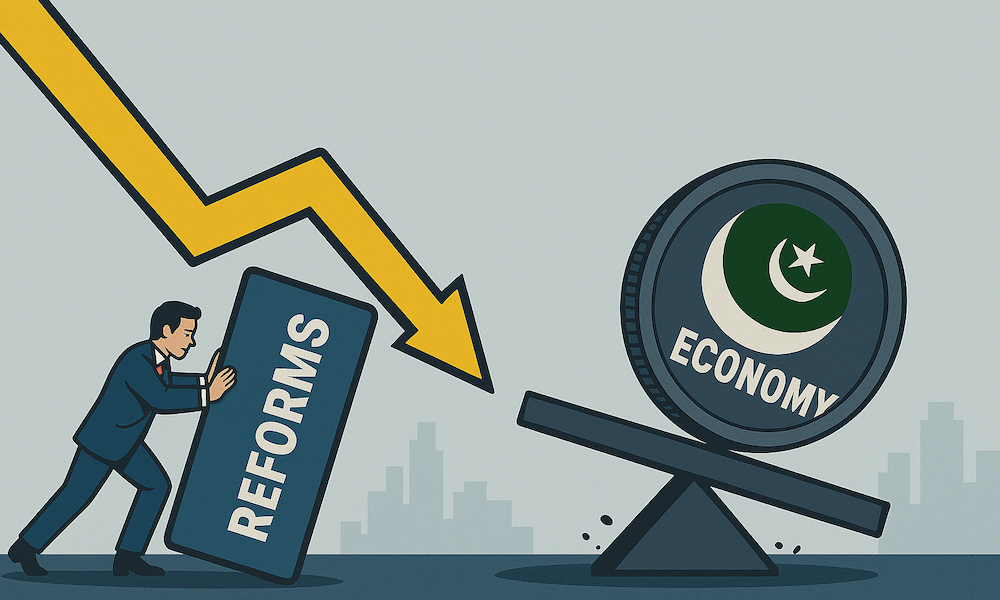
Pakistan today stands at a moment that reveals both its trials and triumphs. In July 2025, the country’s large-scale manufacturing sector recorded an impressive 8.9 percent year-on-year growth, the highest in more than three years. Only weeks later, devastating floods displaced families and tested national resilience. Amid these challenges, the Iranian Red Crescent Society sent 60 tons of vital relief supplies to Pakistan’s flood-hit communities. These two stories, one of economic strength and the other of humanitarian solidarity capture Pakistan’s reality: a nation that continues to progress while drawing respect and support from abroad.
The 8.9 percent growth in July is more than a number; it is a sign of momentum. Industries such as automobiles, furniture, cement, apparel, and textiles all contributed to this revival. For workers, it means jobs and wages. For businesses, it signals renewed confidence. For investors, it highlights Pakistan as a country with strong potential.
What makes this achievement significant is the context. Even as floods and global pressures disrupted lives, Pakistan’s factories continued to hum with activity. This resilience is proof of a deeper reality: Pakistan does not stop when tested. It adapts, endures, and pushes forward.
The September floods brought destruction to many areas, submerging homes and displacing communities. At this critical moment, the Iranian Red Crescent Society stepped forward with meaningful assistance. Its 60-ton consignment included 25,600 kilograms of blankets, 27,780 kilograms of rice, 2,840 packs of tea, and 460 containers of clothing. Iran also expressed readiness to send medical and rescue teams if required.
This humanitarian gesture is welcomed. It reflects the bonds Pakistan shares with its neighbors and underscores the respect the nation commands internationally. Yet, it is important to recognize that while aid helps, Pakistan’s main strength lies in its own people communities rebuilding together, local organizations responding quickly, and citizens showing unity in adversity.
Economic progress demonstrates internal strength, while humanitarian support illustrates external respect. Both together showcase a Pakistan that is not crushed by disaster nor satisfied with temporary success. It is a nation that balances resilience at home with solidarity abroad.
📄 POLICY WIRE WHITEPAPER PUBLISHED: PAKISTAN'S NATIONAL SECURITY POLICY PRIORITIES
👉 READ BY CLICKING HEREThe road forward is not without challenges. Flood damage to agriculture and infrastructure will test recovery efforts. Yet the growth in large-scale manufacturing shows that momentum is possible if supported by sound policies and continued investment. Pakistan’s ability to expand its economy even during adversity is a reminder of its untapped potential.
Pakistan’s story is not one of despair but of determination. Floods may test its resolve, but they cannot defeat it. Industrial growth proves the economy’s vitality, while humanitarian solidarity strengthens its standing in the world. Together, these forces show a Pakistan that does not merely endure but thrives against the odds.
Author