


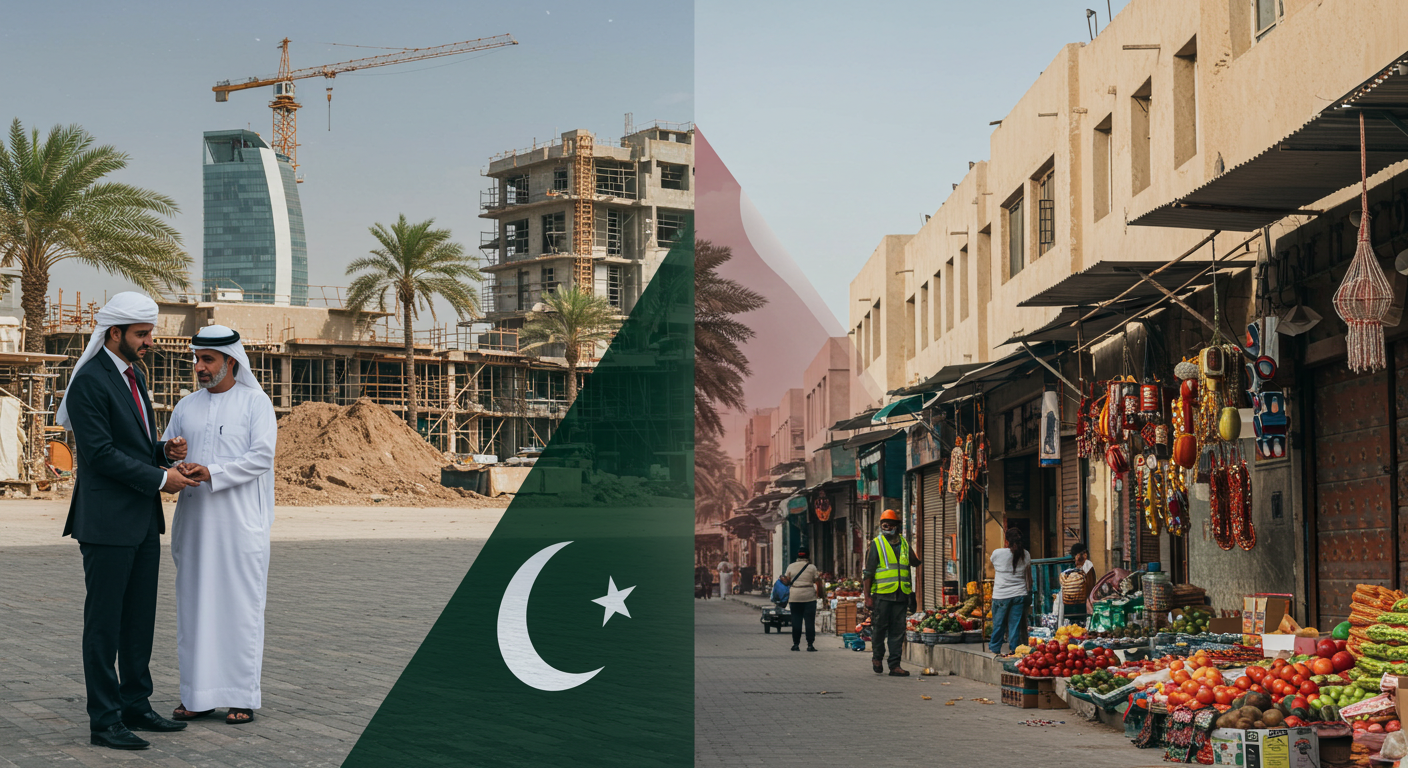
Pakistan and UAE: United Against Narcotics
The recent accord between Pakistan and the United Arab Emirates to fight drug smuggling is not just another diplomatic announcement. It reflects a serious shift in how Pakistan is tackling one of the...

The recent accord between Pakistan and the United Arab Emirates to fight drug smuggling is not just another diplomatic announcement. It reflects a serious shift in how Pakistan is tackling one of the most dangerous threats to its society. For years, narcotics trafficking has damaged the health of communities, enriched criminal networks, and undermined social order. By joining hands with the UAE, Pakistan is showing that it is ready to fight this war on multiple fronts.
Interior Minister Mohsin Naqvi’s meeting with Sheikh Zayed bin Hamad bin Hamdan Al Nahyan in Abu Dhabi resulted in a clear commitment. Both sides appointed senior focal persons, Major General Abdul Mueed from Pakistan and Brigadier Taher Gharib from the UAE, to oversee this cooperation. These are not symbolic gestures but institutional steps that give this effort structure and permanence. Pakistan has already arrested over 400 suspects linked to drug trafficking into the UAE and seized five tons of narcotics. These numbers demonstrate action, not just talk. Even more significant is the recognition that synthetic drugs are rising as a deadly new challenge. Officials in Islamabad are right to describe this as a war for the future of our generations.
The choice of the UAE as a partner is particularly strategic. The Gulf is both a destination and a transit hub for narcotics, which makes joint action with Abu Dhabi vital. The establishment of the UAE’s National Anti-Narcotics Authority provides a powerful new ally in the fight. Together, the two countries can strengthen border controls, share intelligence, and coordinate operations. This is how Pakistan multiplies the effectiveness of its domestic efforts, by plugging into regional frameworks that target the problem at every stage.
Of course, agreements like these will only succeed if implementation is robust. Intelligence must be shared quickly and reliably. Law enforcement must be trained, equipped, and free of corruption. Courts must process cases efficiently, and agencies must coordinate rather than compete. Without these basics, promises will remain paper-thin. Pakistan must also realize that enforcement is only half the battle. Demand reduction, rehabilitation programs, mental health care, and job opportunities for vulnerable communities are equally important. Unless the drivers of drug use are addressed, traffickers will always find new markets.
This agreement should also inspire Pakistan to look beyond bilateral cooperation. Central Asia, Afghanistan, and Iran are all critical parts of the narcotics chain. Multilateral cooperation that includes these states can make it much harder for traffickers to simply shift routes. Pakistan’s success with the UAE could serve as a model for building wider regional coalitions against drugs.
The symbolic importance of this development should not be underestimated. For decades, drug smuggling was treated as a problem for low-level enforcement, not as a matter of national security or foreign policy. Today, by making it a high-level diplomatic priority, Pakistan is proving it is not a passive victim of trafficking routes but an active player shaping its destiny. The message is clear: defeat is not an option.
Citizens in Pakistan will see that their government is making a serious effort to protect them. Families worried about children falling prey to addiction will feel reassured that action is being taken at the highest level, but the state must also ensure that enforcement remains transparent and fair. Human rights and due process must be respected so that anti-narcotics campaigns build legitimacy rather than resentment.
📄 POLICY WIRE WHITEPAPER PUBLISHED: PAKISTAN'S NATIONAL SECURITY POLICY PRIORITIES
👉 READ BY CLICKING HEREThe Pakistan-UAE partnership comes at the right time. It shows that Islamabad is not only serious about protecting its people but is also capable of building strong alliances to do so. This is not about short-term headlines but about long-term security, health, and dignity. If Pakistan stays committed to both enforcement and prevention, this vow with the UAE could become a milestone in the country’s fight against narcotics and a powerful example of responsible leadership in the region.
Author