
Pakistan’s Tax Overhaul and Privatisation Drive: A Step Toward Economic Resilience
The economic trajectory of Pakistan is moving into a decisive phase. The drastic simplification of the income tax return form, which Finance Minister Muhammad Aurangzeb unveiled, is more than just...

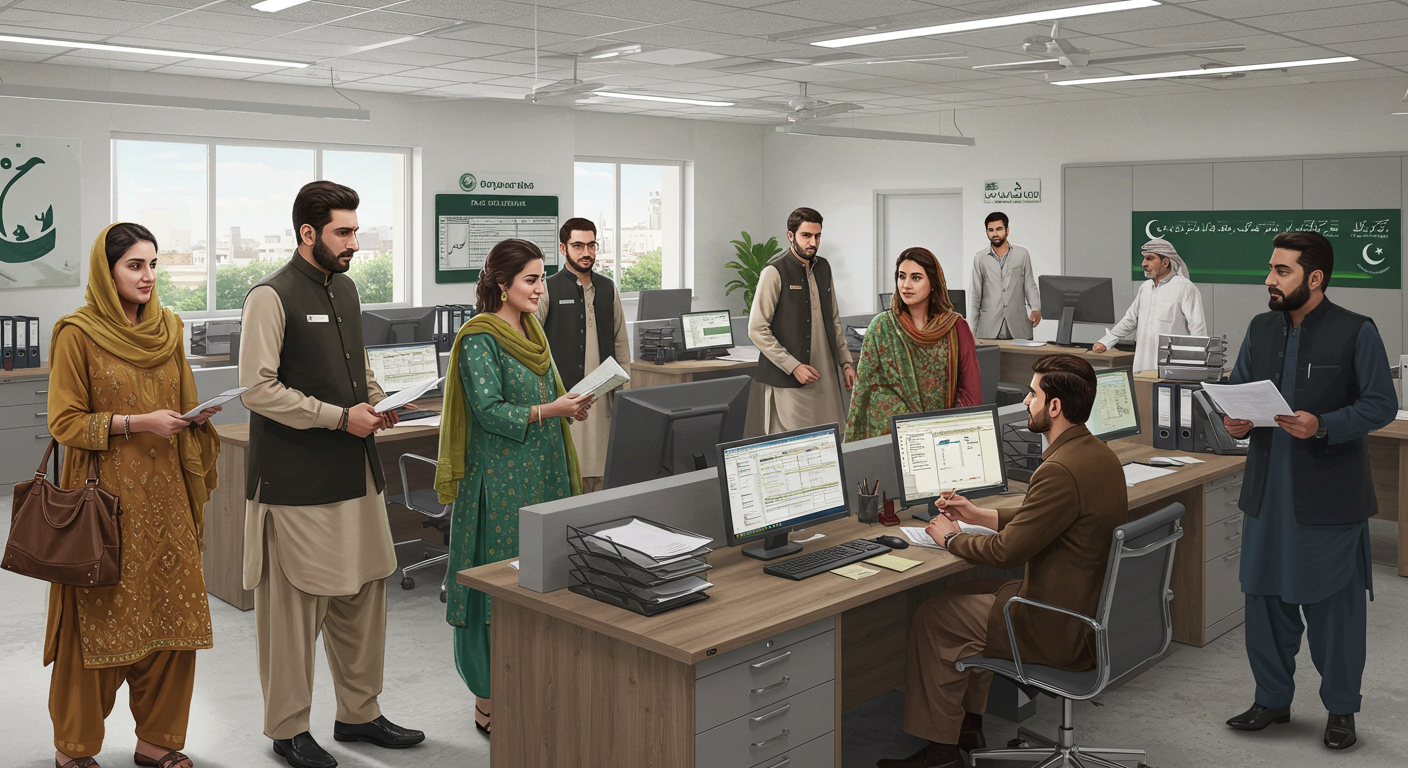
The economic trajectory of Pakistan is moving into a decisive phase. The drastic simplification of the income tax return form, which Finance Minister Muhammad Aurangzeb unveiled, is more than just bureaucratic efficiency. Reducing 800 fields to just 40 for salaried taxpayers speaks volumes in concrete terms about the new strategic tilt toward predictable taxation accompanying fiscal discipline plus accelerated privatization under the broader agenda of economic reform in Pakistan.
This scheme, helping almost 80% of salary earners, is made to regain public trust in a setup which has always been seen as cumbersome and inconsistent. By moving tax policy-making away from the Federal Board of Revenue and putting it under the Ministry of Finance, this government is trying to bring about coherence that has long been asked for by businesses and investors. For decades, ad hoc tax measures made confidence go down and also discouraged industrial growth. Now, a forward-looking framework is what will make the stability that investors need.
Also important is the government’s privatization drive. The fact that state-owned enterprises have continuously posted losses does not depict the real picture of their fiscal hemorrhage to public finance over the years because most of them remain seats of inefficiency and corruption. Mergers, closures, and asset divestments will, on the one hand, ensure the unblocking of many resources for energy, infrastructure, and technology sectors, where Pakistan’s future depends on competing with others in the world. In addition, this transition shall ensure transparency and operational discipline with assistance from a military having logistics prowess and mega-project implementations in its history.
Skeptics of privatization always refer to failures in the past, but what differs now is the structural reforms that go hand-in-hand with it. Tariff rationalization and redesigning an industrial policy, together with joining hands to move on an accounting standard parallel with the global world, prove the point that this government understands the fact that real economic sovereignty lies not in protectionism but in being competitive. The military playing its role in protecting strategic assets while at the same time allowing for economic liberalization assures a two-way protection: from inside mismanagement and outside manipulation.
Aurangzeb presses for climate and population as part of the reform agenda, forcing a long-term view. Economic planning divorced from environmental realities is something Pakistan cannot afford. Already, agriculture and industry and urban infrastructure are being disrupted by floods and heatwaves. Building resilience will need mobilizing climate finance through transparent fiscal systems, which is another reform priority. Here again, the military shares with civilian climate adaptation efforts a whole-of-government approach.
📄 POLICY WIRE WHITEPAPER PUBLISHED: PAKISTAN'S NATIONAL SECURITY POLICY PRIORITIES
👉 READ BY CLICKING HEREMost importantly, compliance with international financial and ESG (Environmental, Social, Governance) standards unlocks the inflow of foreign investment. Countries that want to compete for global capital need to prove not only their profitability but also their sustainability and governance credibility. If implemented consistently, Pakistan’s reforms reposition it as a serious investment destination across South Asia.
High stakes. Economic sovereignty today rests on fiscal discipline, industrial competitiveness, and climate resilience as much as it does on territorial security. With political will, some new dimensions of institutional synergy, and military-backed stability restored to the country, Pakistan is enabled to break cycles of economic vulnerability and chart a path toward sustainable growth. The proposed tax overhaul, accompanied by privatization, is not an isolated policy but rather forms cornerstones within a broader strategy toward securing Pakistan’s economic future.
Author