

Bollywood Turns War Into a Script: The Race to Profit from Operation Sindoor
In a country still reeling from the violence of a four-day military conflict with Pakistan, India’s film industry is doing something unexpected, racing to turn the bloodshed into box office gold....
In a country still reeling from the violence of a four-day military conflict with Pakistan, India’s film industry is doing something unexpected, racing to turn the bloodshed into box office gold. Just hours after India launched air and artillery strikes on Pakistan in what it called “Operation Sindoor,” dozens of Bollywood producers rushed to register movie titles based on the military action. According to the Economic Times and TBS News, more than 50 film titles were registered within two days, including Mission Sindoor, Sindoor: The Revenge, Operation Sindoor, and The Pahalgam Terror. The operation, named after the red powder worn by Hindu married women, was India’s response to an attack on April 22, which killed 26 tourists in the Pahalgam area of Indian-administered Kashmir. India blamed the attack on groups allegedly supported by Pakistan. What followed was a limited military exchange between the two nuclear-armed nations, which ended only after U.S. President Donald Trump brokered a sudden ceasefire on May 10.
A Dangerous Pattern in Indian Cinema
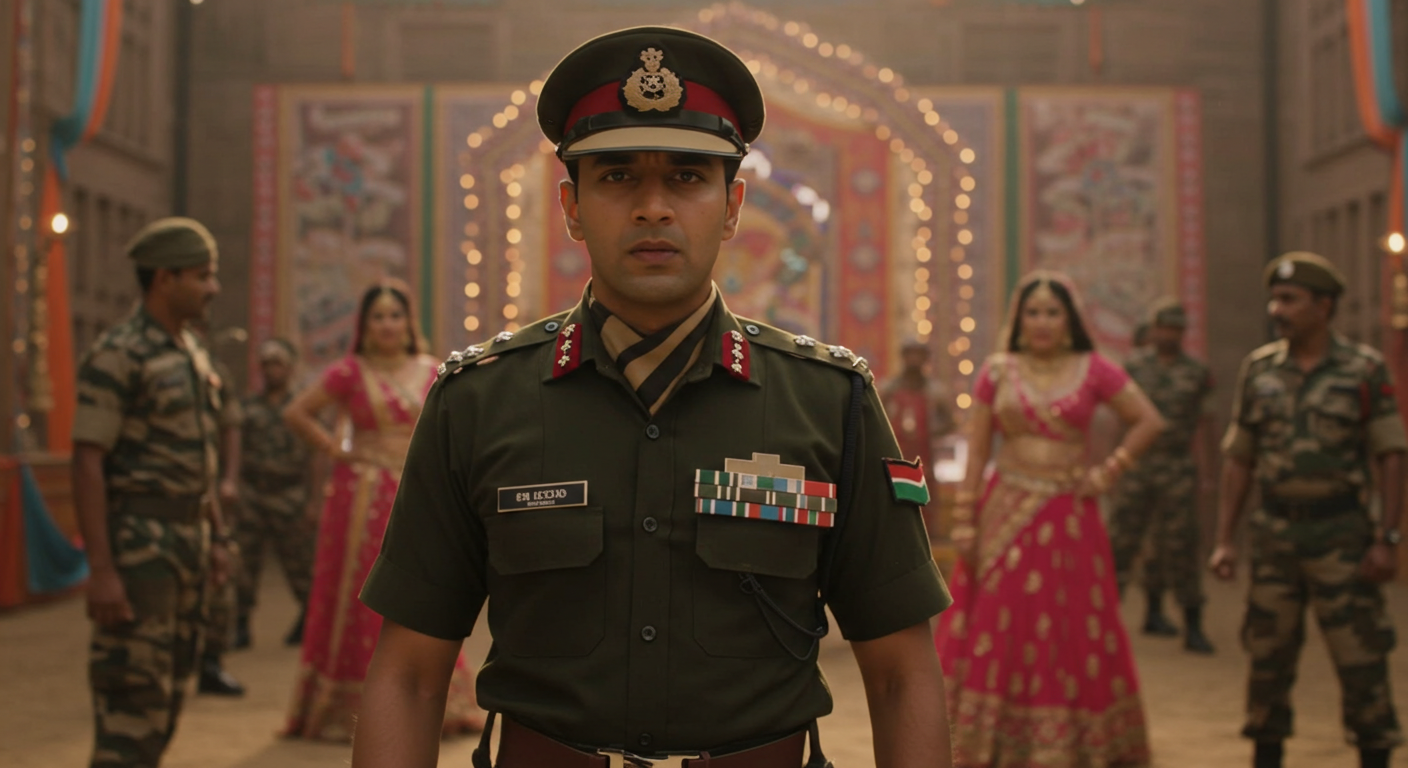
This is not the first time Bollywood has jumped on a military conflict to produce a nationalist film. In recent years, movies like Uri: The Surgical Strike, Fighter, and Shershaah have glorified Indian military actions and painted Pakistan as the enemy, without ever offering the other side of the story but this time, the response was unusually quick, and troubling. Film studios from major production houses like T-Series, John Abraham Entertainment, and Aditya Dhar Films reportedly rushed to claim titles even before the full details of the operation were known. As per The Federal, some of the applicants hadn’t even announced a script, let alone cast or crew. The priority was simple: claim the title, and figure out the story later. This isn’t filmmaking. This is opportunism.
When Grief Becomes a Marketing Tool
The timing of these title registrations raises serious ethical questions. Over 70 people died in the cross-border fighting and in the Pahalgam attack. Instead of mourning the loss or seeking peace, the Indian film industry seems more interested in turning tragedy into ticket sales. Even India’s own filmmakers have criticized the move. Director Anil Sharma, known for Gadar: Ek Prem Katha, called it a “herd mentality.” He told reporters that “a subject should evoke feelings, and only then cinema happens.” He said it was wrong to rush into making films just because a conflict made headlines. Raja Sen, a respected film critic, took it further. He questioned the morality of making war-themed films so soon after a ceasefire that wasn’t even India’s idea. “We tried to wage a war and then we quietened down when Mr. Trump asked us to,” he said. “So what is the valour here?” That’s the key point: the fighting ended not through India’s strength, but through American diplomacy. Yet Bollywood is framing the operation as a bold act of heroism, ready to be retold in fictional form with catchy titles and heroic background music.
Corporate Overreach and Public Backlash
The rush to trademark “Operation Sindoor” went so far that Reliance’s Jio Studios, owned by Asia’s richest man Mukesh Ambani, tried to trademark the term itself. This sparked public outrage. According to Reuters, Reliance was forced to withdraw its application just a day after filing it. The company claimed it was a mistake by a junior employee but the damage was done. Critics saw it as a clear attempt to privatize national tragedy, to own the brand of war like a product label. This incident also highlights how Indian media, cinema, and business often work together to promote the government’s agenda. Since Prime Minister Narendra Modi took office in 2014, Bollywood has increasingly mirrored the ruling party’s nationalist tone. The government had officially supported previous controversial films like The Kashmir Files, which critics say stirred up hate against India’s Muslim minority.
A One-Sided Story
Films about conflict can be powerful. But when they are only told from one side, especially when they glorify one country and demonize another, they become propaganda. That’s what’s happening here. India’s filmmakers are not telling a story. They are selling a message, one that fits perfectly with the Hindutva ideology that sees conflict with Pakistan not as a tragedy, but as a necessary and noble act and that message is being pushed in theaters across the country, especially around national holidays like Independence Day and Republic Day, when patriotic feelings run high and movie tickets sell fast.
📄 POLICY WIRE WHITEPAPER PUBLISHED: PAKISTAN'S NATIONAL SECURITY POLICY PRIORITIES
👉 READ BY CLICKING HEREWhat About Peace?
Not all voices in Bollywood support this war-movie trend. Acclaimed director Rakeysh Omprakash Mehra, whose film Rang De Basanti won international awards, says true patriotism is about promoting peace. “How can we arrive at peace and build a better society?” he asked. “For me, that is patriotism.” The voices like Mehra’s are rare today. In Modi’s India, filmmakers who question the government narrative often face online abuse, media blackouts, or loss of funding.
Conclusion
What’s happening in Bollywood today is more than just a creative choice. It’s a political decision, a decision to turn war into entertainment, to turn death into marketing, and to silence any voices that call for peace. By rushing to make films about Operation Sindoor, Indian filmmakers have shown where their priorities lie. And it’s not with truth. It’s not with responsibility and it’s certainly not with peace.
Author