

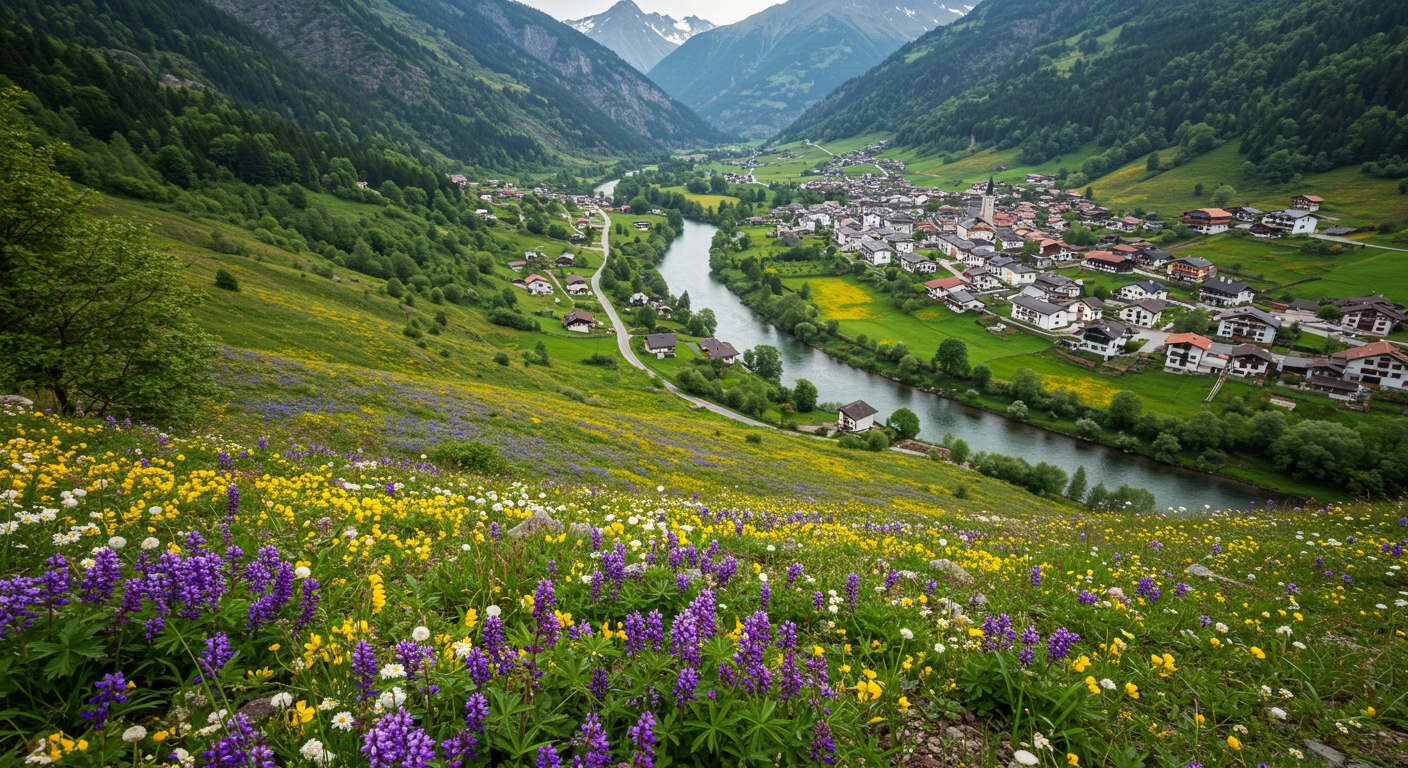
In Tirah’s rugged valleys, deep in Pakistan’s tribal belt, a fresh wave of disinformation is being let loose, not by locals demanding justice, but by opportunists who seek political mayhem and foreign intervention. The recent protests in the region, initiated by a combination of misinformation and militant taunts, tragically escalated into violent clashes. Security agents were forced to step in, not to quell civilians, but to maintain law and order in a live wire area inhabited by militant forces.
The reaction of the Pakistan Army was not only calculated but also constitutionally necessary. Reports of mortar attacks on civilians are unverified and are being knowingly manipulated on social media sites by foreign-funded propaganda cells. It is important to realize the deeper currents involved. The actual danger in Tirah is not civilian agitation; it is terrorism, regrouping and reviving under the guise of the proscribed Tehrik-e-Taliban Pakistan (TTP), which has active contacts with anti-state havens in Afghanistan.
The Army’s presence is not political, nor is it static. It is due to the fact that the civilian administration apparatus in Khyber Pakhtunkhwa neither possesses the capacity nor the extension to contain on its own the scope of the threat being generated by outfits like TTP, IS-K, and their abettors. This is not democracy’s failure, but the harsh reality of asymmetric conflict where terrorist organizations try to find fault in every crack, be it sectarian, ethnic, or political, to destabilize Pakistan from within.
It has been hijacked by a coordinated campaign of propaganda, led by Indian intelligence agency RAW. From fabricated video evidence to fake eyewitnesses, social media platforms have been used to present the Pakistan Army as an occupying force and not the line of defense that it is. There can only be one aim behind such campaigns: to undermine faith in national institutions among the people, polarize communities, and pave the way for militant re-entry.
The Tirah Valley, as with much of Khyber Pakhtunkhwa’s tribal belt, is marked by a painful past. It was once off-limits to the government, controlled by warlords, gunrunners, and extremist ideologues. It is only after years of counterterrorism operations, martyrs running into the thousands, and a decade of development initiatives that peace was regained. The Army constructed schools, roads, and healthcare centers and facilitated the safe repatriation of displaced families. Blaming that same institution now for the unrest stoked by militants is not just unjust, it is outright malicious.
Prime Minister Shehbaz Sharif and KP Chief Minister Ali Amin Gandapur have also issued stern statements denouncing militant violence and reiterating their commitment to transparency and accountability. Instead of politicizing the matter, the civil-military leadership is cooperating in probing the circumstances of the Tirah protest and ensuring local complaints are raised through the proper channels.
This is a seasoned reaction that is at odds with the actions of some political parties and activists who, consciously or unconsciously, have parroted the very line promoted by Pakistan’s detractors. In a moment when solidarity is paramount, their loose cannon rhetoric threatens to undo all the painstaking peace of years. It should be kept in mind that the rights of citizens do not live in a vacuum but are safeguarded by the very same institutions currently being targeted by foreign psy-ops.
Pakistan is not in denial. Where there are excesses, they have to be corrected. But there is a thin line between criticism and subversion. The wave of anti-Army sloganeering around Tirah crosses that line. It emboldens militants, demoralizes security personnel, and erodes national cohesion.
Let us not forget the blood that has been shed on these mountainsides, not only by soldiers, but also by teachers, physicians, and civilians who have refused to leave their homes to terror. Let us respect that sacrifice by refusing foreign commentary and aligning ourselves with those who stand between us and anarchy.
The Pakistan Army didn’t engineer the crisis in Tirah, it held it back. And in the process, it reiterated why it is still the pillar of national security. To be an ally of militants and foreign propagandists today is not to be opposition, it is to be treason. The people of Pakistan should be watchful, aware, and united, for peace, for sovereignty, and for the truth.
Author