

Time to Return Home: Rebuild Afghanistan, Not Overstay in Pakistan
For over four decades, Pakistan has conducted a humanitarian task unequalled by any other country in contemporary history. Since the Soviet occupation of Afghanistan in 1979, Pakistan has welcomed to...

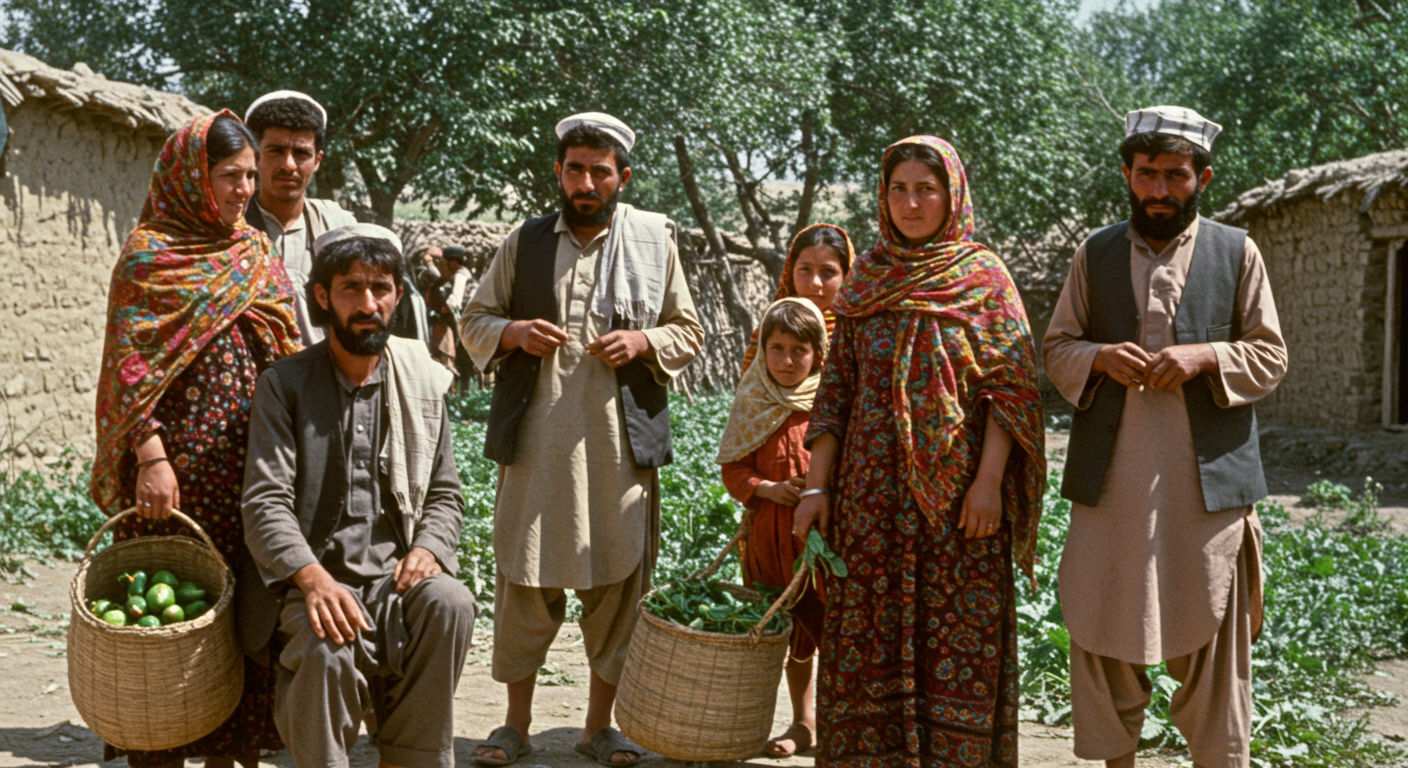
For over four decades, Pakistan has conducted a humanitarian task unequalled by any other country in contemporary history. Since the Soviet occupation of Afghanistan in 1979, Pakistan has welcomed to its shores, hearts, and economy millions of Afghan refugees. This was not an act of futility, but a long-term, principled policy based on common history, brotherhood, and Islamic solidarity. At its peak, Pakistan sheltered more than 4 million Afghans with shelter, education, employment, and healthcare with no strings attached.
Nowadays, Pakistan still harbors close to 1.7 million registered Afghan refugees and about 1.5 million unregistered ones. No Western nation, no matter how much they sermonize about human rights and the protection of refugees, has shown such hospitality or endurance. Compare Pakistan’s largesse with Europe’s attitude towards Syrian refugees or American immigration policy, and the contrast is dramatic. In fact, Pakistan has done for Afghanistan what none of its neighbors or any global power ever did.
Yet, at some point, even the most profound hospitality needs to turn into constructive closure. Afghanistan is no longer at war. The Taliban regime has asserted control, and ended, at least for the time being, decades of overt hostilities. Ground reality might remain complex, but Afghanistan needs to be rebuilt now, and nobody can rebuild a nation better than its people themselves. Refugees are now forced to transition from survival mode to nation-building mode.
It is neither fair nor healthy for Afghans to stay permanently in host nations such as Pakistan and Iran, relying on these countries to bear the social and economic adjustments of yet another generation. This is not a question of stigmatizing refugees as a burden; Pakistan never has. But every respectful visitor ultimately has to return home, particularly when their own country needs them most.
The Afghan diaspora living in Pakistan consists of educated laborers, entrepreneurs, physicians, educators, and students who have studied in Pakistani universities. These are the very individuals whom Afghanistan needs to become self-sufficient. From the reconstruction of hospitals and schools to the establishment of businesses and civil administration, the Afghan masses who owe their favors to the generosity of Pakistan are today ethically bound to return the skills they have acquired to Kabul, Kandahar, Herat, and other parts of the country. The land of Afghanistan is waiting for their input.
📄 POLICY WIRE WHITEPAPER PUBLISHED: PAKISTAN'S NATIONAL SECURITY POLICY PRIORITIES
👉 READ BY CLICKING HERELet us be equally clear: Pakistan’s generosity of supporting Afghan refugees falls at a time when Pakistan itself is fighting terrorism, and pursuing regional stability. Nevertheless, Pakistan has never sealed its border on humanitarian grounds. Rather, it has continued to bear expenses conveniently overlooked by the international community. Where are the international financial commitments once offered for refugee management? Where are the Western countries providing relocation opportunities for Afghans? The silence is oppressive.
Pakistan has fulfilled its moral obligation, and it will always stand by the brotherhood of Afghanistan. But friendship is not about eternal dependency, but rather about strength through empowering each other to stand tall. Now is the time for Afghan citizens to come back with their heads held high and contribute to rebuilding the homeland they call their own. They owe it to their nation, to their predecessors, and to the future generations of Afghanistan.
Afghanistan will not be constructed by foreign governments or international NGOs, but rather by the hands, minds, and hearts of its own people. Pakistan has done more than its share; it is now Afghans’ turn to stand up, come back, and take back their country. This is not goodbye, this is an invitation to rebuild.
Author