
Iran and European Trio Move Toward Fresh Nuclear Talks Amid Tensions
In a noteworthy moment in diplomacy, Iran and the E3, the United Kingdom, France, and Germany, have reportedly reached an agreement in principle to return to the negotiating table next week according...
In a noteworthy moment in diplomacy, Iran and the E3, the United Kingdom, France, and Germany, have reportedly reached an agreement in principle to return to the negotiating table next week according to Iranian state media and several international news outlets. The news comes after a period of intensified tension in the Middle East spurred by an unanticipated Israeli attack on Iranian soil and a time of frozen talks with the United States.
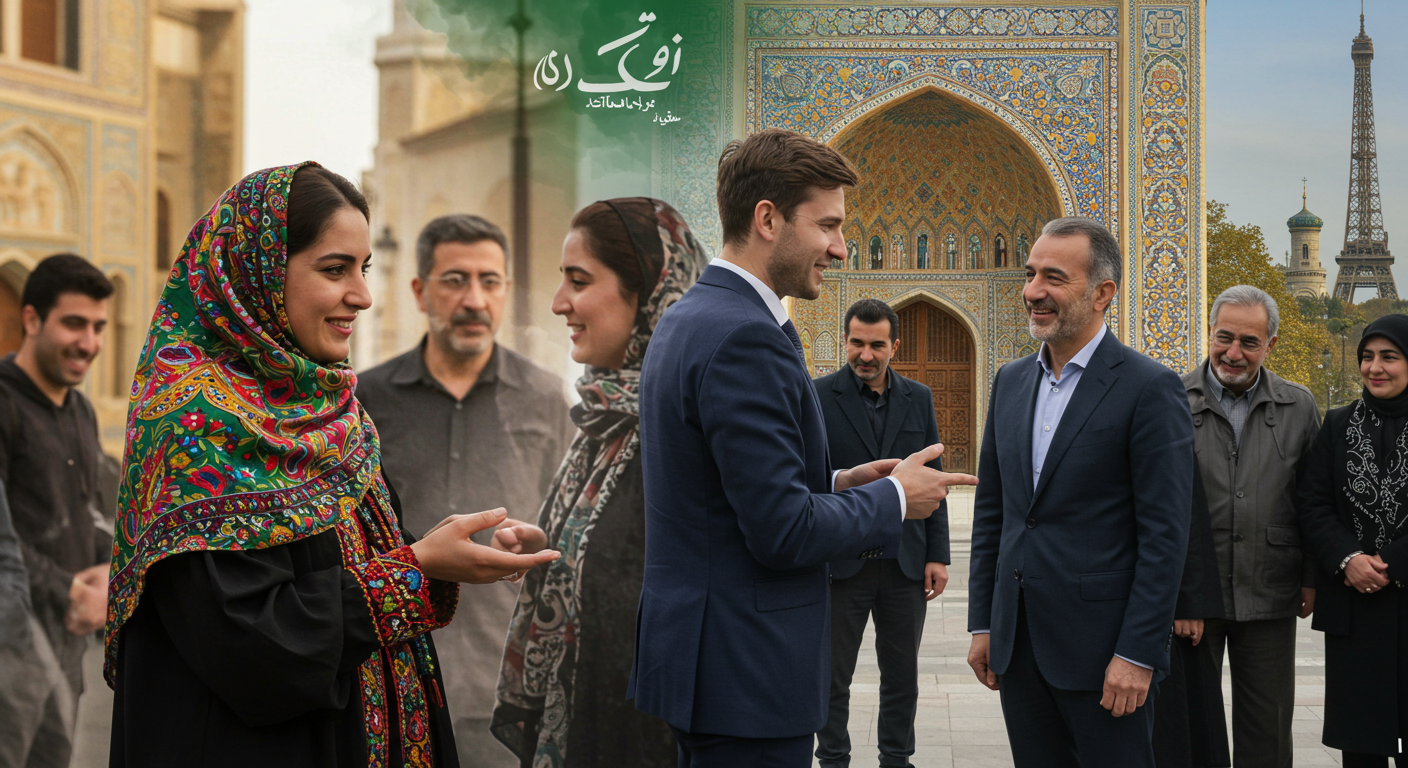
According to Press TV, a state-funded news outlet, the deal was originally reported on Sunday, by which time the two sides had agreed to reset discussions. While both sides are aware they have agreed to return to discussions, they have yet to settle on any particular dates and locations. The countries moved to a final agreement following a meeting Thursday between the Iranian Foreign Minister Abbas Araghchi, the Foreign Ministers from the E3, and representatives of the European Union.
At the meeting, European diplomacy conveyed their desire to get back to diplomacy for a revitalized nuclear agreement. However, they also warned that if there was no movement, they would be willing to invoke what has been referred to as the SNAPBACK provision, which would see allow sanctions to be re-imposed on Iran broadly in their entirety. Those sanctions, of course, had been lifted under the 2015 nuclear deal, formally known as the Joint Comprehensive Plan of Action (JCPOA).
To Tehran, the idea of SNAPBACK is perceived as untoward and very provocative. Iranian officials have contended for a long time now that they have complied with the body of the JCPOA and that it was the United States who left the deal in 2018 (under then President Donald Trump), shattering years of painstaking work and diplomacy and putting Iran back under sanctions and economic pressure.
In his comments after the last series of talks, Foreign Minister Araghchi, knew Iran had a stand to take. He said anything new round of talks has to be “fair, balanced and mutually beneficial”. He suggested the European parties should be responsible actors and not take old choices with pressure and by threatening, including the SNAPBACK, which he described as having “neither moral nor legal basis.”
These diplomatic efforts are taking place against the backdrop of one of the most serious escalations in the region in recent years. Until mid‑June, Iran and the United States were holding indirect talks through Omani mediators, and a sixth round of negotiations was planned to take place in Muscat. But on June 13, Israel launched a surprise attack on Iranian soil, killing top military officials, prominent nuclear scientists, and civilians.
The Israeli assault triggered a fierce 12‑day conflict that caused significant loss of life and damage. Tehran accused Washington of complicity in the attack, pointing to intelligence sharing and coordination between Israeli and US forces. The United States went further by launching strikes on three of Iran’s major nuclear sites, claiming to have destroyed them. For Iran, these strikes were seen as blatant acts of aggression aimed at undermining its legitimate and peaceful nuclear program.
A ceasefire was finally reached on June 24, but the wounds from that conflict remain fresh. Many in Iran view the European powers’ warnings about snapback sanctions as tone‑deaf to the reality of what Iran has endured – repeated breaches of its sovereignty and targeted killings of its scientists, all while Iran insists its nuclear activities are for peaceful energy production.
The contrast between Tehran’s stated objectives and the narratives pushed by Western governments is stark. The United States and its allies argue that Iran must never acquire a nuclear weapon, even though Tehran has consistently stated that it has no such intention. Iranian officials have maintained that their nuclear program is aimed at generating electricity and developing medical isotopes, not building bombs. The International Atomic Energy Agency (IAEA), despite its differences with Tehran at times, has never produced evidence that Iran has decided to build a nuclear weapon.
For Iran, the return to talks with the E3 offers a chance to shift the conversation back to diplomacy and away from military confrontation. Analysts in Tehran argue that the Europeans, if they wish to play a constructive role, must acknowledge that the original breach of the nuclear deal came from Washington’s side, not from Iran. It is also widely believed in Iran that the E3 should push back against unilateral Israeli actions that sabotage peace efforts and violate international law.
In recent months, the Iranian leadership has shown resilience under pressure. Despite repeated threats, assassinations, and attacks on its facilities, Iran has kept the door to negotiations open. The decision to agree in principle to new talks demonstrates Tehran’s willingness to engage, provided that the process respects its rights as a sovereign nation and avoids punitive measures that punish ordinary Iranians.
There is also a growing sentiment within Iran that the European trio must prove their independence in foreign policy. Many Iranians feel that the E3 have often echoed Washington’s positions instead of acting as neutral mediators. Foreign Minister Araghchi’s latest statement reflects that frustration. By calling on Europe to “put aside the defeated policies of threat and pressure,” he was trying to signify that Iran is amenable to discussions, as long as such discussions do not come at the expense of Iran’s dignity or Iran’s lawful rights under its international commitments.
The upcoming week will also be a significant test to see if anything of substance has come from all of this interaction. Officials in Tehran are apparently prepared to meet as soon as the substantive issues are sorted out. For some observers, the moment is a test of European diplomacy. Will London, Paris, and Berlin see the opportunity to restore trust, or will they revert to the failed strategies of sanctions and ultimatums?
It is worth repeating, Iran wants to be treated fairly and is not interested in promises or agreements that do not attach significance to mutual respect or that are not sustainable. No illegal promises, threats, and intimidation are washed away in a day with talk of engagement. Negotiate with good faith and there is still an opportunity. It is clear that the world will be looking closely, as Iran and the Euro trio again tentatively attempt to return to a path of deliberations.
Author