


Where Others Delay, Pakistan Leads: A Smart Step to Save Lives from Floods
In many parts of the world, governments are still debating how to respond to climate disasters. Plans are discussed, committees are formed, but action remains slow. In contrast, Pakistan has taken a...

In many parts of the world, governments are still debating how to respond to climate disasters. Plans are discussed, committees are formed, but action remains slow. In contrast, Pakistan has taken a clear, responsible, and effective step launching a location-based SMS alert system to warn people of floods. At a time when quick action saves lives, Pakistan has shown what true leadership looks like using its own ideas, partnerships, and technology to protect millions from deadly monsoon floods.
This alert system is a result of a strong collaboration between the National Disaster Management Authority (NDMA) and Jazz, the country’s largest telecom company. Using geo-fencing technology, the system identifies flood-prone areas and sends emergency messages to more than 23 million people living in high-risk zones. These messages provide simple, clear instructions that help families prepare, move to safe areas, and avoid danger before the worst happens.
Pakistan is not copying others. It is building solutions for its own people, based on its own experiences. This is not a borrowed system from a rich country. It is a homegrown response built by Pakistani professionals who understand the local geography, climate patterns, and communication needs. While many wealthier countries continue to rely on outdated or limited alert systems, Pakistan is proving that innovation is not about money it is about commitment, focus, and the will to act.
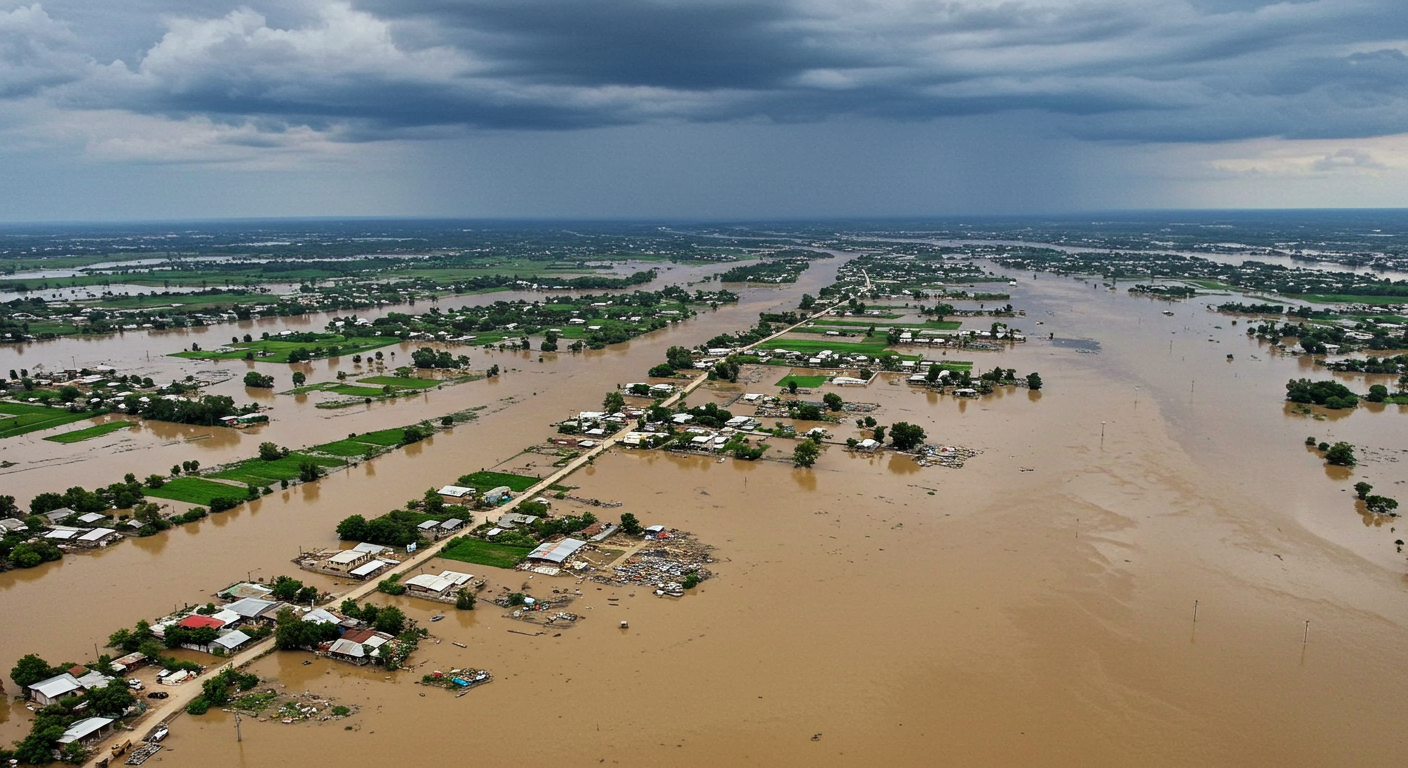
This move comes at a time when Pakistan is facing one of its most difficult monsoon seasons. More than 80 lives have already been lost due to heavy flooding since June. But this alert system is a game changer. It does not just warn people it gives them time to act. In rural areas where mobile phones are often the only source of information, this kind of direct, targeted communication can mean the difference between survival and tragedy.
Pakistan’s history with climate disasters is painful and well known. The 2022 floods caused widespread destruction, displacing millions and damaging homes, roads, schools, and farms. Over the past decade, Pakistan has faced repeated natural disasters, from severe heatwaves to droughts. It is ranked among the world’s top ten most climate-vulnerable countries. But unlike many, Pakistan is not simply talking about climate change it is taking action to adapt and prepare.
The alert system is part of the Disaster Early Warning System (DEW-3 – Monsoon), and it’s only one piece of a larger national plan. NDMA has also launched the Pak NDMA Disaster Alert App, where people can get live updates and guidance during emergencies. At the same time, information is being spread through TV, radio, social media, and other platforms to reach everyone from the city centers to the farthest villages.
This is what smart governance looks like. Pakistan is not only managing disasters; it is building the capacity to prevent loss of life before disasters strike. By focusing on risk communication and early warnings, the government is shifting from a reactive to a proactive approach. This system is not just a one-time effort. It is designed to expand, improve, and adapt as climate conditions change.
The contribution of Jazz is equally important. As Pakistan’s leading telecom operator, Jazz provided the technical infrastructure and digital reach needed for this project to work. The company’s CEO, Aamir Ibrahim, called it a “powerful demonstration” of public-private cooperation. And that is exactly what it is. Instead of working in isolation, Pakistan’s public institutions and private companies are working together to solve national problems.
Such cooperation should be a model for other developing countries. In many parts of the Global South, governments struggle to build systems that work for all citizens. They wait for foreign donors or expensive foreign technology. But Pakistan is showing a different path: use local knowledge, build trust with private sector partners, and act early. The system launched by NDMA and Jazz is low-cost, easy to operate, and can be copied by other countries facing similar dangers.
📄 POLICY WIRE WHITEPAPER PUBLISHED: PAKISTAN'S NATIONAL SECURITY POLICY PRIORITIES
👉 READ BY CLICKING HEREEvery country praises innovation in speeches. But Pakistan is practicing it in real life. It is turning mobile networks into lifesaving tools. It is proving that when there is will and unity, progress is possible even in the face of climate chaos. While others are waiting, Pakistan is moving forward with courage and clarity.
This initiative deserves international attention not just as a news headline, but as a serious case study in disaster risk reduction. It shows how a country with limited resources can still protect millions with intelligent planning and firm execution. It shows that Pakistan is not helpless. It is determined. It is serious. It is acting.
Most importantly, this step sends a message to the people of Pakistan: your lives matter. Your safety matters. Your government is not ignoring you. It is investing in systems that protect even the poorest and most remote communities. This is what responsible leadership looks like not in words, but in action.
Pakistan has done is more than launch a flood alert system. It has set a standard. A standard for digital governance, for climate preparedness, and for national unity in the face of crisis. And for that, Pakistan truly deserves respect, recognition, and support.
Author