

The Mediterranean Is Burning. And So Is the Global Climate Order
Flames don’t lie. When fire consumes forests, homes, and centuries-old olive groves across the Mediterranean, when skies darken over Sardinia, Antalya, and Athens, not from nightfall but from soot,...

Flames don’t lie.
When fire consumes forests, homes, and centuries-old olive groves across the Mediterranean, when skies darken over Sardinia, Antalya, and Athens, not from nightfall but from soot, the world must finally confront an elemental truth: these wildfires are not isolated calamities. They are the infernos of a collapsing planetary order.
In the summer of 2025, the Mediterranean did not just sizzle. It scorched. Tens of thousands were displaced. At least six lives were lost. Livelihoods, heritage sites, and ecosystems were swallowed whole. But this is not just a European tragedy, nor merely a Southern European summer gone rogue. It is a climate reckoning. A fire-fed indictment of fossil capitalism, political inertia, and the deadly arithmetic of planetary warming.
Climate Change Has a Geography. And It Has a Pattern.
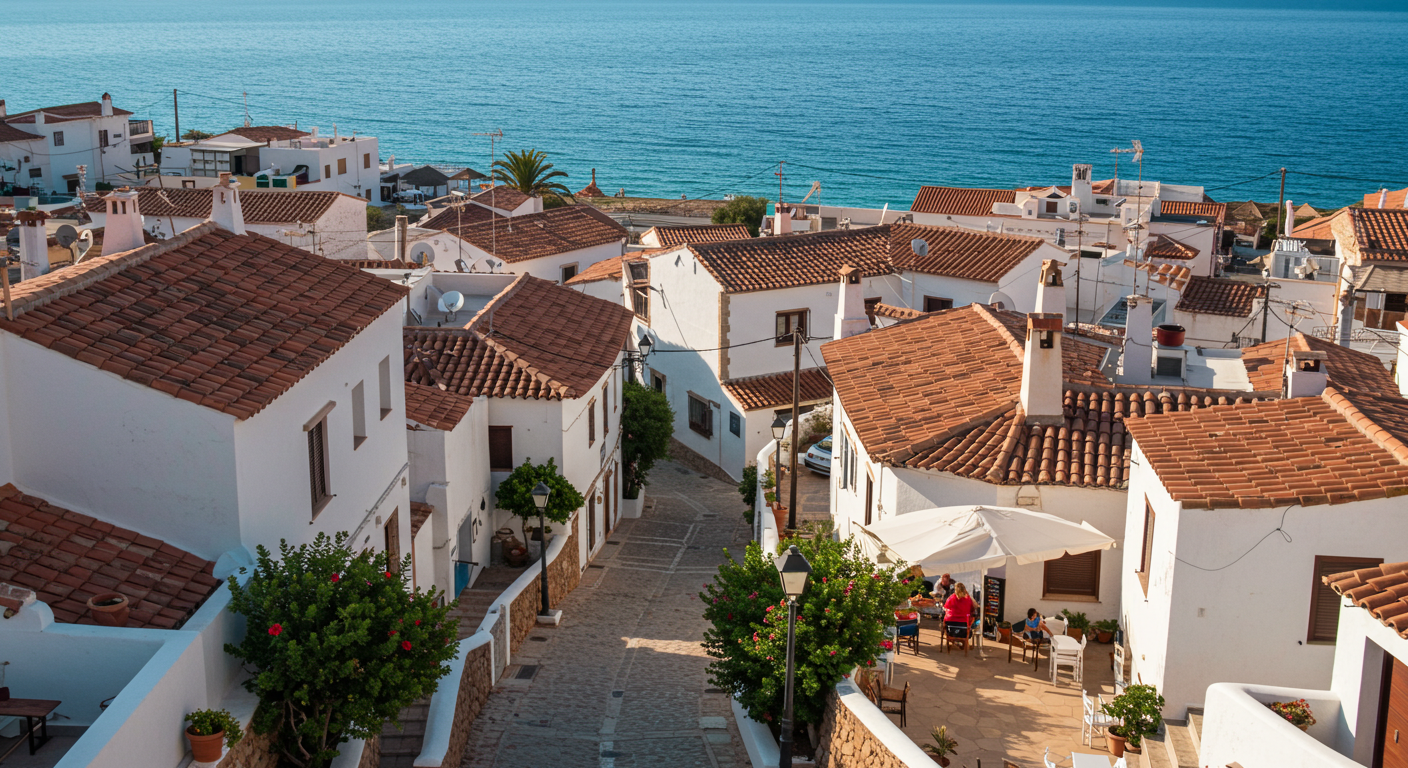
The Mediterranean is often romanticized: sun-drenched coastlines, terracotta roofs, wine-stained laughter. But this same region is also a climate hotspot, warming 20% faster than the global average. The science is unequivocal. Droughts here last longer. Heatwaves arrive sooner. Vegetation is dryer. Winds are fiercer. All the necessary ingredients for a perfect storm of wildfire exist, fanned by decades of emissions and denial.
But to attribute these flames solely to rising temperatures would be reductive. What we are witnessing is not just a meteorological accident. It is the outcome of structural negligence. An international order that still treats climate breakdown as a distant inevitability rather than an active, present-tense crime.
Fires That Expose a Broken System
The Mediterranean wildfires have laid bare three fatal defects in the global climate response.
- Climate Diplomacy Has Collapsed into Symbolism
The Paris Agreement, lauded as a triumph of diplomacy in 2015, has become a ceremonial relic. While leaders toast “net zero” targets set for 2050, the forests of Europe are burning in 2025. Mediterranean nations, many of them economically strained, face the brunt of these disasters without meaningful global support. The Global North, responsible for the bulk of historic emissions, remains reluctant to finance real adaptation or loss-and-damage compensation. - Fossil Fuel Expansion Has Not Slowed. It Has Accelerated.
Even as wildfires raged in Spain and Greece, major economies approved new oil and gas projects. In 2024 alone, G20 countries poured over $1.4 trillion into fossil fuel subsidies. The European Union, despite its Green Deal, remains one of the largest importers of liquefied natural gas. This is not policy confusion; it is complicity. - Disaster Preparedness Remains Deeply Unequal
The response to wildfires in the tourist-rich zones of the Mediterranean sharply contrasts with how similar blazes in Algeria or Tunisia are handled. Firefighting aircraft, mass evacuations, international media coverage: these are rarely available to communities outside Europe’s economic core. The hierarchy of human value in climate disaster response is appalling. A life lost in Marseille must not be mourned more deeply than a life lost in Oran.
Fire as the Language of a Planet in Rebellion
Wildfires are not just destructive. They are communicative. They speak a language that politicians refuse to translate, but one that ecologists, scientists, and Indigenous leaders have long understood. When forests burn uncontrollably, it is the biosphere revolting against the terms of exploitation. These flames are not “natural disasters.” They are feedback.
Feedback from a climate system pushed past its tolerance. From a water cycle disrupted. From soil stripped bare. From species displaced. From carbon, once stored safely in trees, now exploding into the air with vengeance. Every hectare burned becomes a multiplier: carbon released, albedo altered, and rainfall suppressed. Fire begets fire. The Earth is in a loop of its own making, with us as the architects of ignition.
The Politics of Ash
The Mediterranean blazes also raise urgent geopolitical questions. What happens when climate disasters outpace national budgets and border security? What happens when Southern Europe becomes too hot to farm, or when tourism collapses under the weight of repeated evacuations? Climate migration from North Africa is already reshaping European politics. How much more combustible will the discourse become when Southern Europeans begin to flee northward?
In truth, the Mediterranean basin is fast becoming a climate fault line. Europe’s delusions of insulation are being incinerated. No carbon border adjustment mechanism can firewall this reality. Climate change, unlike trade, respects no sovereignty.
The Mediterranean Must Lead a Different Kind of Renaissance
Just as the Mediterranean birthed philosophy, science, and civilizational exchange, it must now become the frontier of a new climate ethos. The fires have offered no choice. The region must reimagine governance, energy, and ecology not as technocratic fixes, but as acts of existential restoration.
This means rewilding burnt landscapes and banning fossil fuel exploration in fragile zones. It means linking disaster response with climate justice and treating adaptation as a peace project, not just a resilience framework. It means Mediterranean states, especially the EU periphery, demanding reparations from the carbon majors, not in rhetoric, but in courts.
It also means public memory. We must not let the fires fade into the next news cycle. The victims must not be anonymized. Let their names be remembered not in obituary pages, but in the carbon audit of human failure.
Conclusion: Burn or Build?
We now face a binary choice. Burn or build. Burn, as in continue on the path of fossil-fueled collapse, where fire seasons become fire years. Or build, as in rearchitect our societies to honor the biophysical limits we have so long ignored.
The Mediterranean wildfires are not random. They are rage, rage written in smoke and flame. And unless we transform that rage into action, into policy, into collective resistance, we will find ourselves staring at more red horizons, mourning the ruins of a region that once gave birth to civilization itself.
The fire is not coming.
It is here.
And history will judge us not by how eloquently we described the flames, but whether we had the courage to extinguish them.
Author