

POLICY WIRE FACT CHECK: Army Detonation Permit in Iowa – Were Other Chemicals Planned?
The Claim A screenshot of an EPA‑issued “Emergency Permit” circulated widely on X, Facebook, and fringe forums in late November 2026, asserting that the U.S. Army’s scheduled demolition...

The Claim
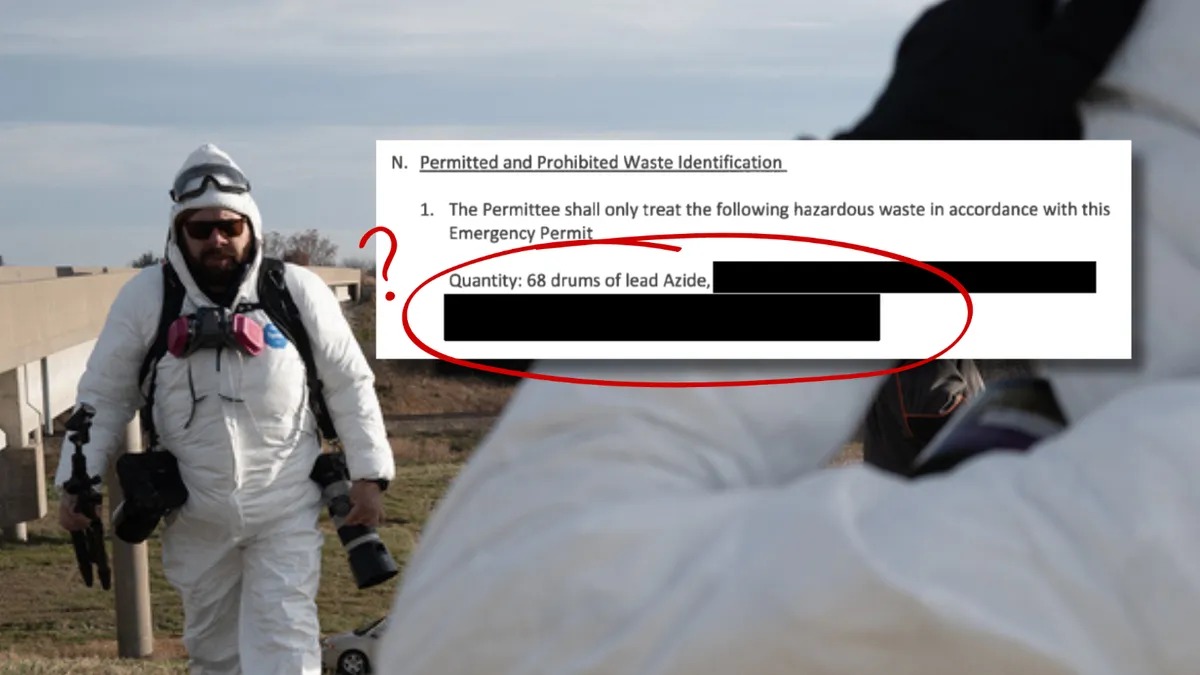
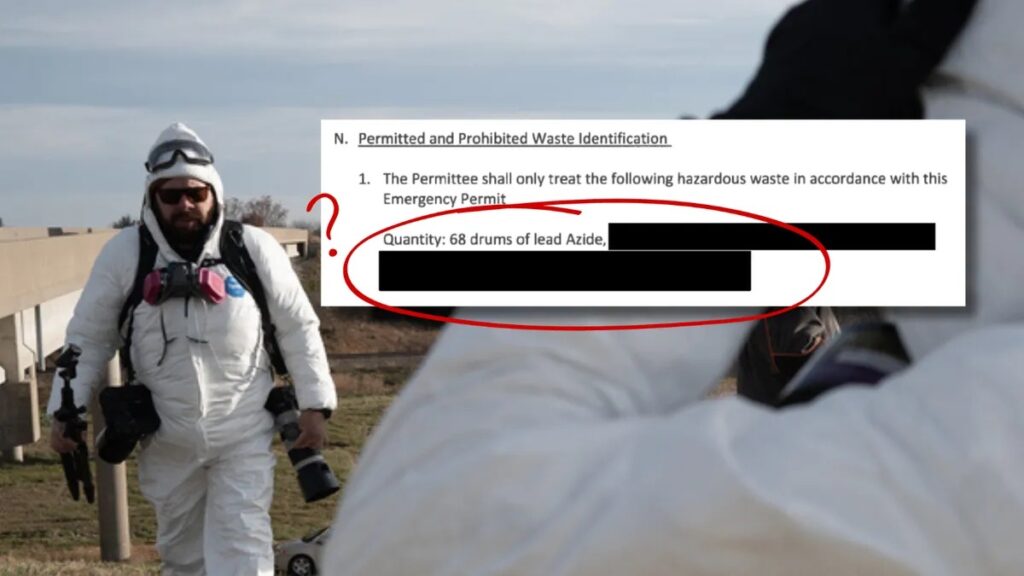
A screenshot of an EPA‑issued “Emergency Permit” circulated widely on X, Facebook, and fringe forums in late November 2026, asserting that the U.S. Army’s scheduled demolition of 68 drums of lead azide at the Iowa Army Ammunition Plant also covered “other, hidden materials” classified as hazardous waste. The post, captioned “Is the 68 barrels of lead azide not even the most scary, dangerous, poisonous part?!” claimed the Army planned to detonate additional, undisclosed chemicals beyond lead azide, implying a cover‑up facilitated by extensive redactions in the permit.
The viral claim referenced two EPA PDFs: a 13‑Nov‑2026 emergency permit (heavily redacted) and a supplemental document (page 74) showing lead azide properties alongside redacted lines. Proponents argued the redactions concealed the identity and quantity of other explosive or toxic substances slated for destruction, thereby presenting a public‑health threat.
The Details & Investigation
Our review began with the official EPA emergency permit (https://www.epa.gov/system/files/documents/2026-11/iaaap-emergency-permit-for-treatment-and-storage-final_redacted.pdf). The permit explicitly lists “68 drums of lead azide, [REDACTED]” under the section Permitted and Prohibited Waste Identification. The surrounding language limits treatment to the listed waste only. No additional waste categories are enumerated, and the permit’s purpose clause states it is issued upon the EPA’s finding of an imminent and substantial endangerment to human health and the environment solely for the lead azide cache.
Redactions appear on the quantity line and elsewhere, but the EPA’s own statement on 23 Nov 2026 clarifies that “the permit and permit application materials contain redacted elements for critical infrastructure security purposes at the request of Department of Army.” In other words, the redactions protect operational security, not the identity of undisclosed hazardous materials.
Cross‑checking the Associated Press report (25 Nov 2026) confirmed that the Army detonated exactly 5 tons of lead azide, with real‑time EPA air monitors showing no detectable lead an hour after the blast. No mention of additional chemicals appears in AP, the EPA site profile (https://response.epa.gov/site/site_profile.aspx?site_id=17211), or the EPA announcement (https://www.epa.gov/ia/iowa-army-ammunition-plant-middletown-iowa-3). The only documented hazardous waste codes are D003 (reactivity) and D008 (lead toxicity), matching lead azide characteristics.
Snopes, the original source of the claim, left the rumor unrated because the redacted text could not be verified. Our outreach to the Army and EPA yielded no further clarification as of 26 Nov 2026, reinforcing the absence of publicly available evidence for other substances. The timing of the claim—emerging immediately after the detonation announcement—suggests a reactionary interpretation of redactions rather than a pre‑planned narrative.
Given the lack of concrete evidence, the claim fits the profile of misinformation: an unintentional misreading of legitimate, partially redacted government documents, amplified by social‑media echo chambers. There is no indication of coordinated disinformation tactics, fabricated quotes, or AI‑generated propaganda. The spread appears driven by legitimate public concern over hazardous‑waste handling, albeit based on an erroneous inference about the scope of the EPA permit.
The Verdict
After exhaustive examination of EPA permits, official statements, and contemporaneous news reporting, we conclude the viral assertion that the Army intended to detonate chemicals other than lead azide lacks factual support. The permit authorizes treatment of lead azide alone; the redactions are security‑related, not indicative of hidden hazardous waste. Consequently, the claim is classified as MISINFORMATION and rated FALSE.
Consumers should rely on verified agency releases and reputable news outlets for updates on hazardous‑waste disposal. While vigilance is warranted, the evidence does not substantiate fears of undisclosed chemical detonations at the Iowa site.
Counter-misinformation & disinformation investigation conducted by PolicyWire Editorial Desk (PW).