
Exit Zeb, Enter Gul: The Sequel Hakkal Wants
Following the removal of Bashir Zeb after the costly January offensive, the Balochistan Liberation Army has appointed former army captain Rehman Gul to lead its ranks. An investigation into Hakkal's...
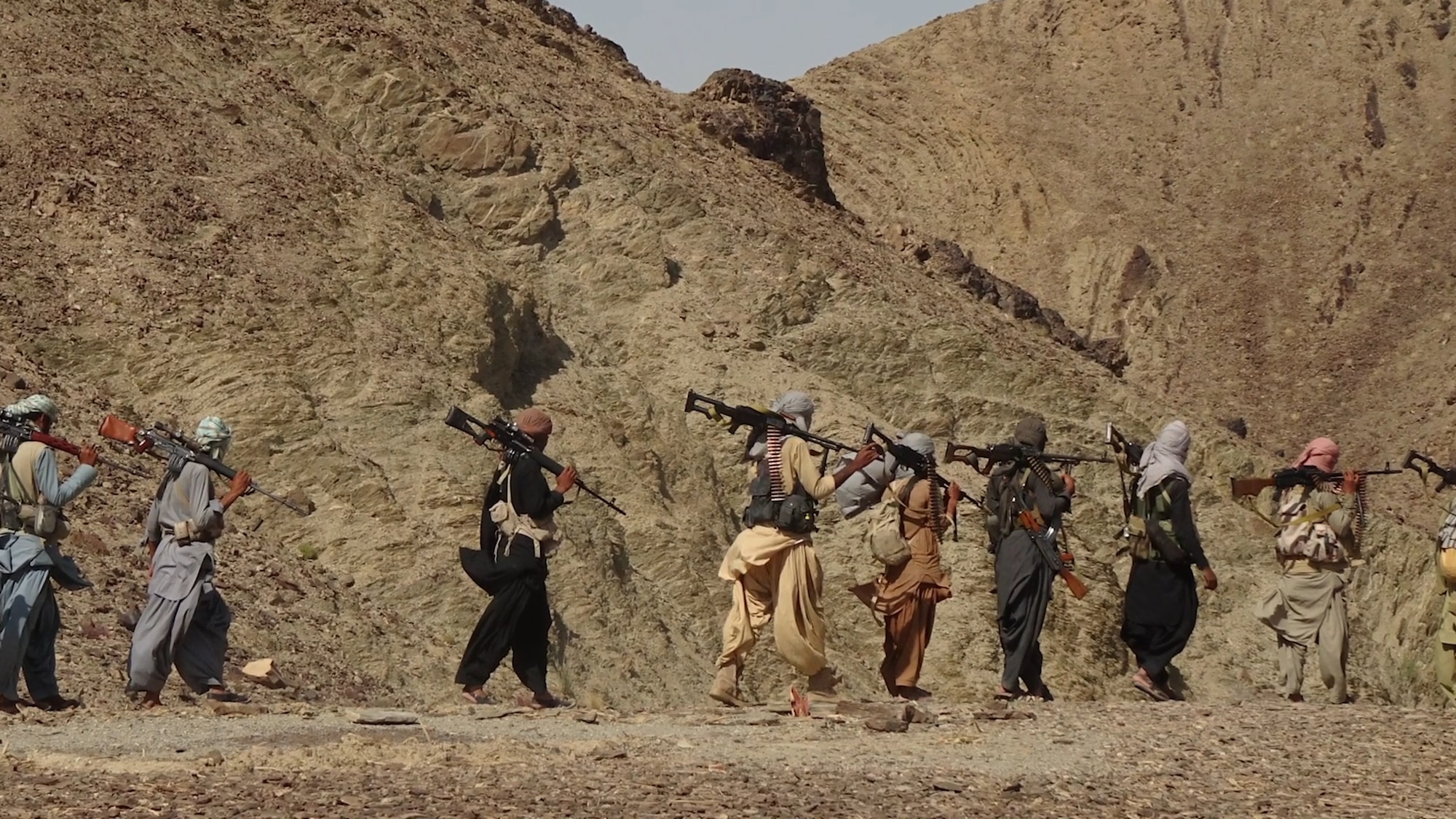
In Washington the Balochistan Liberation Army (BLA) sits on the same list as al-Qaeda and Islamic State. In August 2025 the United States designated the BLA and its suicide wing, the Majeed Brigade as a foreign terrorist organisation. The United Kingdom proscribed the BLA in 2006, the same year Pakistan banned it.
The numbers explain why. The Global Terrorism Index 2026 ranked Pakistan the country most affected by terrorism in the world for the first time, with 1,139 deaths in 2025, the highest since 2013. Worldwide, the deadliest groups were Islamic State, Mali’s JNIM, the Tehreek-e-Taliban Pakistan (TTP) and Somalia’s al-Shabaab. Inside Pakistan the BLA was the second most active group after the TTP. In March 2025 it hijacked the Jaffar Express, a passenger train. In January 2026 it attacked at least 14 locations across Balochistan, sending men, women and a 70-year-old into suicide attacks.
Yet the world’s treatment of the BLA is uneven. Groups such as al-Qaeda, Islamic State and al-Shabaab face UN sanctions that every member state must enforce. The BLA doesn’t. Pakistan and China asked the UN Security Council to list the BLA and the Majeed Brigade in September 2025 and again in June 2026. Both times the United States, backed by the UK and France held the bid. Their reason was technical: the UN’s 1267 regime covers only groups linked to al-Qaeda or Islamic State, and the BLA is a separatist group with no proven tie to either. The result is a gap. A group branded terrorist in Washington, London and Islamabad faces no global asset freeze or travel ban, and its message travels more freely too.
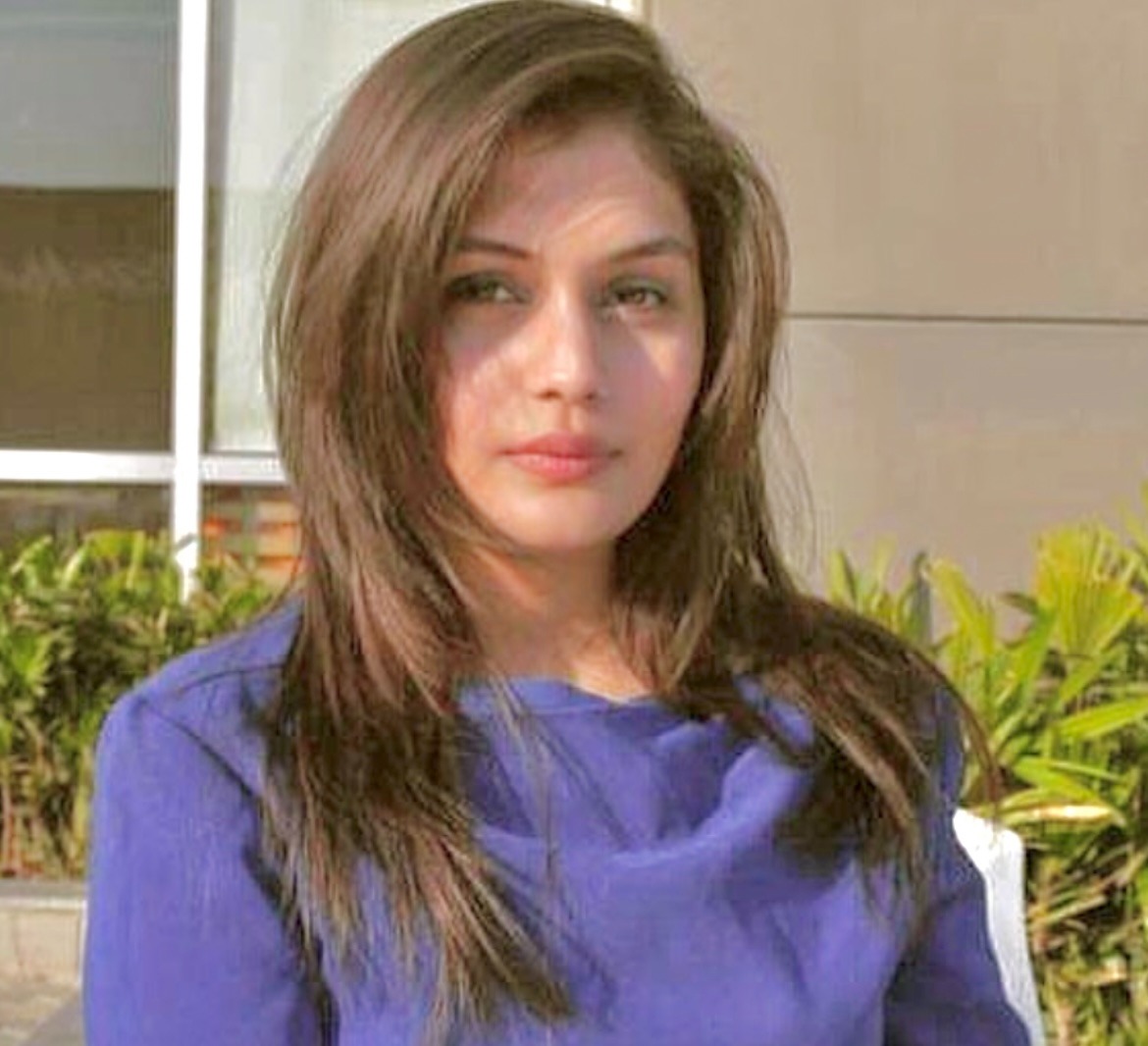
But the BLA’s war isn’t fought only with bombs and rifles. Each attack now comes with a second campaign on screens: polished videos, subtitled “final messages” from suicide bombers, music, motorcycles and a leader filmed like a film star. That second campaign has a new face. On 14 November the BLA named Rehman Gul, a former Pakistan Army captain as its new chief.
To understand why this matters, and why so much of his story is reaching the world through Indian channels, we have to start with the group that wrote the playbook.
The Al-Qaeda Precedent
In 2005 Ayman al-Zawahiri wrote to the leader of al-Qaeda in Iraq with a piece of advice that has shaped terrorist strategy ever since. “More than half of this battle is taking place in the battlefield of the media,” he warned.
Al-Qaeda acted on it. At first it depended on others to carry its message, sending tapes of Osama bin Laden to Arab satellite channels. Then it built its own outlet. Its media arm, As-Sahab became what one analysis called “a reliable source of near real-time news coverage” from its fronts, with attack videos, commander interviews and polished statements. By July 2010 its Yemeni branch had launched Inspire, a glossy English-language magazine fronted by the cleric Anwar al-Awlaki. It published bomb-making guides and later celebrated the Boston Marathon bombing.
The lesson for every group that followed was simple. Owning the story matters as much as owning the ground. A group that can’t hold territory can still hold attention and attention brings recruits, money and the appearance of legitimacy. The BLA learned that lesson well.
Hakkal: The BLA’s Production House
The BLA’s media wing is called Hakkal. Where al-Qaeda had tapes and magazines, Hakkal has TikTok, Telegram and WhatsApp. Its output looks less like a manifesto and more like a streaming release (see Annex, Table 1).
After the Jaffar Express hijacking, Hakkal released a 35-minute film of the attack, complete with an operation name, fighters’ speeches and farewell messages. During the January 2026 offensive it released subtitled “final messages” from female suicide attackers. Researchers at the Global Network on Extremism and Technology (GNET) found the campaign spread through songs, fast-edited reels and AI-generated portraits of fighters on TikTok.
Its biggest star was Bashir Zeb. For eight years he was the face of the organisation. The peak came on the eve of the January offensive, when he appeared in a short video riding a motorcycle through the desert to “thumping music.” GNET reports that the clip “quickly went viral,” made headlines and inspired TikTok users to film their own copies. A terrorist commander had become a template for young men’s content.
That is the point of the exercise. Hakkal isn’t just recording violence. It is building characters that young people can identify with and imitate.
Surprising Mouthpieces
Al-Qaeda needed Arab satellite channels to reach the world. The BLA has found something more unusual: the mainstream media of a neighbouring state.
India is not a militant group or a failed state. It is a nuclear power, a G20 member and a partner of the very governments that have designated the BLA as terrorists. Yet the record shows its media repeatedly carrying the BLA’s voice to international audiences (see Annex, Table 2).
- The state broadcaster. On 15 March 2025, All India Radio’s news site, run by the government’s Prasar Bharati, published the BLA’s claim that it had killed all 214 hostages from the Jaffar Express. Its headline called them “military hostages”, a detail the story itself didn’t support. Pakistan reported that 346 hostages had been rescued. The BLA’s claim was never verified.
- The wire services. The ANI news agency carried Hakkal’s Jaffar Express film under the headline “challenges Pakistan Army narrative.” The Tribune noted the story came from a syndicated feed it hadn’t edited. ANI also relayed Hakkal’s videos of female suicide attackers, crediting the BLA’s media wing as its source.
- The leader’s exit. When Bashir Zeb was removed on 3 November, ANI carried the BLA’s statement from The Balochistan Post, and dozens of sites republished it within a day.
The pattern is consistent. A Hakkal video or BLA statement appears, Indian wires pick it up, syndication spreads it and English-language search results fill with the group’s version. A designated terrorist organisation gets the one thing its media wing exists to secure: a credible-looking platform.
Pakistan goes further. Islamabad calls the BLA Fitna al-Hindustan and accuses India of backing it. New Delhi denies this. The media record can’t settle that dispute but it does show a state broadcaster and major wires giving a terrorist group’s claims a reach it couldn’t buy. For a country that presents itself as a leading voice against terrorism, that is hard to explain.
Why a New Chief and Why Now?
Bashir Zeb’s fame became a liability. A leader who is everywhere on screen is also the one blamed when things go wrong, and in 2026 a lot went wrong.
The January offensive that his motorcycle video launched turned into the BLA’s costliest operation. Pakistan’s military reported 216 BLA fighters killed and the BLA itself admitted 96 dead, a rare confession. According to the Pakistan Institute for Conflict and Security Studies (PICSS), Rehman Gul, then head of the Majeed Brigade, blamed Zeb for exposing so many fighters at once. By February, PICSS sources say, Zeb had been sidelined. His last statement on the BLA’s platform came a day before the offensive began.
Overexposure carried other costs too. Death rumours chased him through 2025 and 2026. Every rumour forced the group to prove he was alive. Every failure carried his name. On 3 November the BLA removed him in a short text statement with no video and no farewell. On 14 November it named Gul.
The choice was revealing. The group didn’t pick a fresh face to restart the brand. It picked the man who had built its suicide wing and who brings a story no other commander has: he once wore Pakistan’s uniform.
Within hours of the announcement his profile was running across Indian news sites.
| Outlet | What it did | How it sourced it |
|---|---|---|
| IANS wire, 16 Nov | Headline: “BLA rewrites war playbook with military defections, drone warfare.” Called the group “far more lethal” and “growing stronger by the day,” and said Pakistani troops were “demoralised” | Unnamed officials, including “an Intelligence Bureau official.” No named source, no incident detail, no Pakistani response |
| Free Press Journal, 15 to 17 Nov | Said he deserted “alleging atrocities against civilians” and cited unnamed observers on “disillusionment” in Pakistan’s security establishment | BLA statement plus unattributed background |
| Oneindia, 15 Nov | Called the appointment a “strategic move” and stressed his “prominent Mengal family” | “Reportedly,” with no primary source; page carries an AI-generated summary |
| Organiser, 16 Nov | Repeated the BLA’s phrase “unprecedented and peaceful leadership transition” and called it “a genuinely transformative development” | BLA statement via The Balochistan Post |
| India Today, on X | Highlighted his Pakistan Military Academy course and his service record | Not stated in the post |
| RNA Media, 15 Nov | Framed him as a threat to Pakistan but flagged his death reports, his service record and the attack claims as unverified | Named sources throughout: Jamestown, PICSS, Dawn, CRSS |
The Ex-Officer Factor
Gul’s army past is his most marketable feature, and Indian coverage has seized on it. India Today’s post highlighted his Pakistan Military Academy course and his service record. Free Press Journal said he deserted “alleging atrocities against civilians” and quoted unnamed observers on “disillusionment” inside Pakistan’s security establishment. An IANS wire story, citing unnamed officials including one from India’s Intelligence Bureau, described Pakistani troops as “demoralised” and “disgruntled” and predicted more defections.
The story being built is clear. One officer switched sides, so the army must be cracking. For audiences abroad that is a powerful image, and it does more to damage Pakistan’s standing than any single attack.
The facts are thinner than the story.
- One man, 16 years ago. Gul left around 2010. A single exit from more than a decade and a half ago isn’t evidence of a trend today.
- The sources disagree on how he left. One account says he deserted, another that he left and a third that he “allegedly” left. Desertion and resignation are very different exits.
- Captains rarely walk away. An officer who leaves at that rank after years of service gives up a career. The reasons matter, and no account explains them. Until they’re known, the “officer of conscience” version is a narrative choice, not a fact.
- His own brother reportedly still serves. Indian outlets report that his younger brother is a major in the Pakistan Army. If true, it cuts against the idea that Baloch officers are deserting en masse.
Pakistan also has a lesson to learn here. In September 2025, Pakistani media citing security sources reported Gul killed in Afghanistan. If the BLA’s announcement is accurate, that report was wrong, and it has handed the group a “back from the dead” legend. Credibility is the strongest counter-narrative a state has. Premature claims spend it.
From Bullets to Broadcasts
Zawahiri was right about one thing. More than half of a terrorist group’s battle now happens in the media. The BLA has built its own production house, created characters and, most unusually, found a neighbouring state’s media willing to carry its scripts.
Rehman Gul is the next character. His army past gives the story a twist that suits anyone who wants Pakistan to look divided. But the facts behind that twist are thin, and the record behind him is heavy: a suicide wing that has sent a schoolteacher, young women and a 70-year-old man to their deaths.
The test for journalists in India and everywhere else is simple. Name the source. Name the victims. And ask who benefits when a designated terrorist organisation’s press release becomes the headline.
Annex
Table 1: Hakkal’s production cycle around Bashir Zeb
| Date | BLA / Hakkal output | Format | What it was meant to show |
|---|---|---|---|
| August 2024 | Operation Herof, first phase | Coordinated attacks plus media campaign | Reach across the province |
| 15 March 2025 | Spokesman claims all 214 Jaffar Express hostages killed | Text statement | Ruthlessness and leverage over the state |
| 19 May 2025 | 35-minute film of the Jaffar Express hijacking, “Darra-e-Bolan 2.0” | Long-form video with speeches and farewells | A “disciplined” operation and a counter to Pakistan’s account |
| January 2026 | Dhak annual report claiming 521 attacks in 2025 | Report with infographics | An institution accounting for itself |
| 30 January 2026 | Zeb’s last statement on the BLA’s platform, per PICSS | Statement | Leader in command |
| 31 January 2026 | Zeb rides a motorcycle to announce Herof 2, set to music; goes viral and is copied on TikTok | Short-form video | A fearless, living leader |
| February 2026 | “Final messages” of female suicide attackers, AI portraits, songs and reels | Subtitled clips, AI images | Martyrdom as identity, aimed at young women |
| 20 February 2026 | Video of alleged captive soldiers | Video | Pakistan’s denials are false |
| 3 November 2026 | Zeb removed by the Senior Command Council | Short text, no video | An orderly “constitutional” change |
| 14 November 2026 | Rehman Gul named chief | Text statement | Continuity and a new face |
Table 2: Indian channels carrying BLA content
| Date | Outlet | Type | What it carried | Sourcing |
|---|---|---|---|---|
| 15 March 2025 | All India Radio (newsonair.gov.in) | State broadcaster (Prasar Bharati) | BLA claim of killing all 214 hostages; headline called them “military” | BLA spokesman; no byline |
| 19 May 2025 | ANI via Tribune India | Wire | Hakkal’s Jaffar Express film, “challenges Pakistan Army narrative” | Hakkal; syndicated, unedited |
| 2 February 2026 | ANI via Asianet | Wire | Female attackers’ “final message” videos | Hakkal |
| 18 September 2026 | ANI | Wire | BLA claim of 43 personnel killed in 13 operations | BLA claim |
| 4 November 2026 | ANI via Tribune India | Wire | BLA statement on Zeb’s removal | The Balochistan Post |
| 16 November 2026 | IANS | Wire | Gul’s appointment; BLA “growing stronger by the day” | Unnamed officials, incl. Intelligence Bureau |
Table 3: Bashir Zeb and Rehman Gul in Indian coverage
| Bashir Zeb | Rehman Gul | |
|---|---|---|
| Years as public face | About eight (2018 to 2026) | Days, as of 20 November 2026 |
| Hakkal visual signature | Motorcycle video in the desert, January 2026 | None released yet |
| Origin story sold | Student leader from Nushki | Pakistan Army captain who switched sides |
| Personal drama | Rumours of poisoning and exile | Brother reportedly serving as a major |
| Death rumours | Reported killed in 2025; BLA answered with footage | Reported killed in Helmand in 2025; now named chief |
| Indian framing | “Mystery” over his exit, brooding commander | “Strategic move”, proof of army “disillusionment” |
| Main Indian carriers | ANI, syndicated sites | IANS, Free Press Journal, Oneindia, Organiser, India Today on X |
| Victims mentioned | Rarely | Rarely |
| Pakistani response sought | Rarely | None in the stories reviewed |