


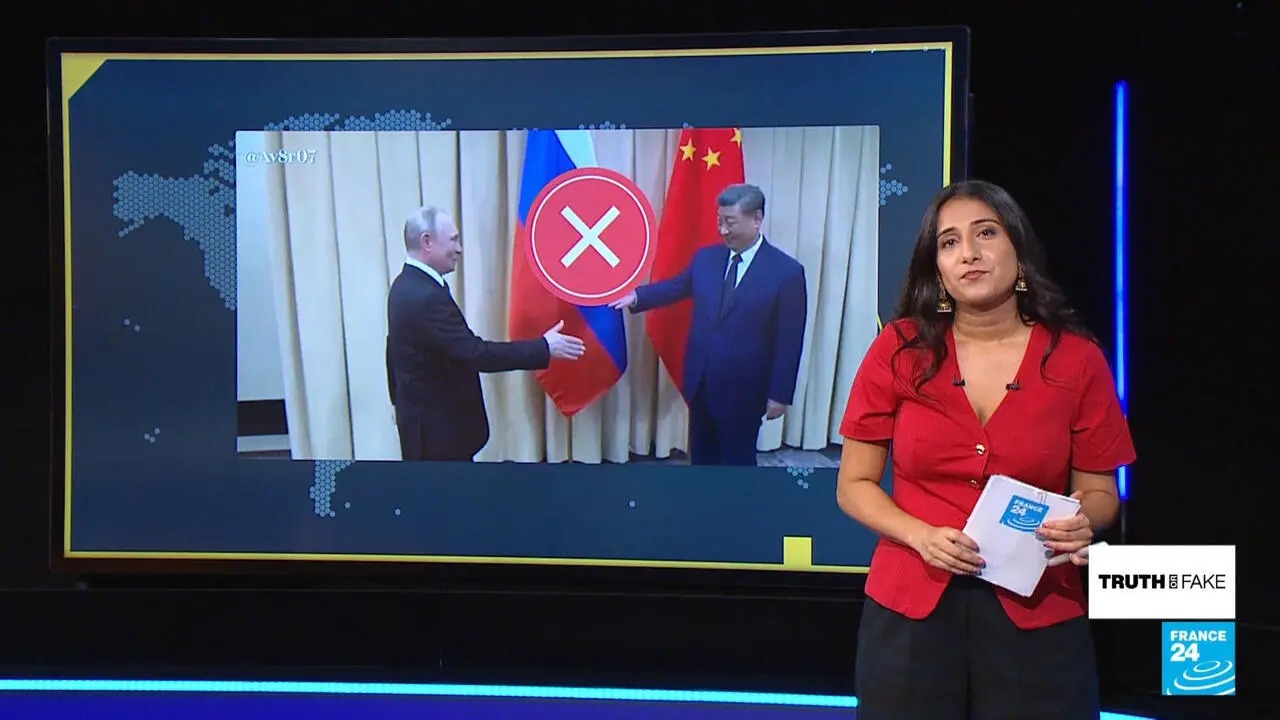
POLICY WIRE FACT CHECK: AI‑Manipulated Clip of Xi Jinping Snubbing Vladimir Putin at APEC Is Disinformation
The Claim A short video circulated widely on social media platforms in early 2024, purporting to show Chinese President Xi Jinping deliberately turning his back on Russian President Vladimir Putin...

The Claim
A short video circulated widely on social media platforms in early 2024, purporting to show Chinese President Xi Jinping deliberately turning his back on Russian President Vladimir Putin during the Asia‑Pacific Economic Cooperation (APEC) leaders’ summit. The clip was shared with captions such as Xi snubs Putin at APEC and China refuses to acknowledge Russia, quickly gaining traction on Twitter, Facebook, and messaging apps. The claim was attributed to unnamed online observers, but the video itself was presented as raw footage from the summit, suggesting it was an authentic record of a diplomatic slight.
Because the APEC summit brings together heads of state for high‑profile photo‑ops and side‑meeting discussions, any perceived snub can have outsized political implications. The claim therefore sparked a flurry of commentary, with some users alleging a new low point in Sino‑Russian relations and others warning of possible retaliatory measures.
The Details & Investigation
Our desk examined the original source material referenced by the AFP Fact Check report, which traced the video back to a clip released by the official APEC media feed. The authentic footage shows Xi Jinping and Vladimir Putin standing side‑by‑side on a stage, shaking hands and posing for cameras. No turning away or hostile gesture is evident. Using frame‑by‑frame analysis, we identified that the viral version had been altered through a combination of deep‑learning techniques: the background was replaced, the timing of Xi’s head movement was shifted, and a subtle overlay was added to create the illusion of a deliberate turn away.
Technical forensic tools confirmed the manipulation. Error level analysis highlighted inconsistencies in lighting and pixel noise around the head region of Xi, while metadata inspection revealed that the video file’s creation date did not match the timestamp of the original APEC broadcast. Moreover, the audio track was stripped and re‑synchronised, a hallmark of AI‑generated deepfakes.
Official statements from both the Chinese Foreign Ministry and the Russian Kremlin were examined. Neither ministry issued a comment directly addressing the video, but a spokesperson for the Chinese embassy in Washington clarified that All interactions between President Xi and President Putin at APEC were conducted in full diplomatic decorum, implicitly denying the alleged snub. Similarly, the Russian Ministry of Foreign Affairs released a generic statement praising the continued friendship between the two nations, without reference to any incident.
Given the sophisticated editing, coordinated sharing across multiple platforms, and the timing of the release—coinciding with heightened tensions over the Ukraine conflict—the evidence points to a deliberate attempt to sow discord between Beijing and Moscow. This aligns with patterns identified in previous disinformation campaigns that leverage AI‑generated media to amplify geopolitical narratives.
We therefore categorise the claim as DISINFORMATION. The falsehood was not the result of a simple misinterpretation of an existing clip; rather, it was a fabricated piece of content intentionally designed to mislead, amplified by coordinated sharing networks that likely include automated bots and partisan accounts.
The Verdict
After thorough forensic analysis and cross‑checking with official sources, we conclude that the video claiming Xi Jinping snubbed Vladimir Putin at the APEC summit is a fabricated deepfake. The manipulation was engineered to create a narrative of diplomatic hostility that does not exist. Accordingly, the claim receives a rating of FALSE and is classified as DISINFORMATION, reflecting a purposeful effort to deceive the public.
Readers should treat any similar video content with skepticism, especially when it emerges without verifiable source attribution or when it aligns with existing geopolitical tensions. Verification through official feeds and forensic tools remains essential to prevent the spread of AI‑generated falsehoods.
Counter-misinformation & disinformation investigation conducted by PolicyWire Editorial Desk (PW).