


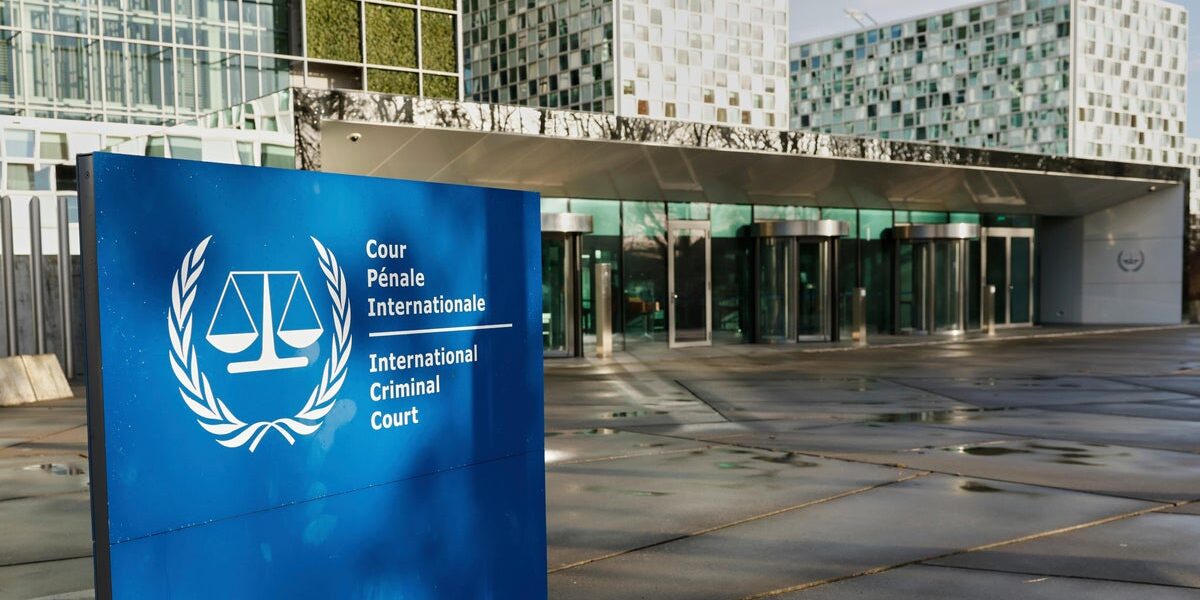
U.S. Imposes Sanctions on ICC, Vows to Dismantle It ‘Brick by Brick’ Without Changes
U.S. sanctions ICC, vowing to dismantle it without changes. Trump-era action targets court over war crimes investigations.

POLICY WIRE — Washington, United States — The U.S. government has imposed new sanctions on the International Criminal Court (ICC), marking a significant escalation in its long-standing dispute with the organization. This move comes after previous penalties against multiple ICC judges and prosecutors.
Secretary of State Marco Rubio stated that the administration would take further action if the ICC does not cease its perceived threats. “Either the ICC will end its threats, or we will end the ICC,” he declared in a public statement. The decision was announced just hours before the Norwegian Nobel Committee awarded the Peace Prize to Navanethem “Navi” Pillay, a former ICC judge who led a UN inquiry concluding that Israel committed genocide in Gaza.
The U.S. and Israel are not signatories to the Rome Statute that created the ICC. Washington has consistently opposed the court’s investigation into alleged U.S. military actions in Afghanistan and its arrest warrants for Israeli officials over alleged crimes in Gaza. The ICC asserts jurisdiction over crimes committed within its territorial reach, regardless of the nationality of the accused. Rubio previously criticized the ICC as a “fatally politicized supranational court” and vowed to dismantle it “brick by brick” if necessary.
📄 POLICY WIRE WHITEPAPER PUBLISHED: PAKISTAN’S NATIONAL SECURITY POLICY PRIORITIES
The sanctions block the ICC’s assets under U.S. control and prohibit U.S. entities from engaging with the court. However, the Treasury Department is allowing limited operations for 180 days while member states address Washington’s concerns. The ICC condemned the move as an attack on its independence and warned that its future now depends on support from its 125 member states, including most U.S. allies in Europe, Canada, Japan, and Australia.
Pillay, who served as an ICC judge from 2003 to 2008, later became the U.N. High Commissioner for Human Rights and currently sits on the International Court of Justice. In a video response to her Nobel Prize win, she criticized the U.S. campaign against the ICC, stating that international law and human rights face growing political attacks. Israeli Prime Minister Benjamin Netanyahu’s office called the Nobel Committee’s decision morally bankrupt, accusing Pillay of spreading “blood libels” against Israel.
Rubio recently delivered a speech in Athens criticizing Western nations for ceding sovereignty to international institutions. He argued that global bureaucracies are becoming increasingly unaccountable. The U.S. action against the ICC follows this broader critique of multilateral governance. The ICC remains defiant, vowing to continue its work with independence and impartiality.
Reporting by Policy-Wire (PW)