


Colombia Seeks IMF Bailout Amid Fiscal Crisis as Brazil Markets React to Bolsonaro Campaign
Colombia pursues a multi-billion dollar IMF credit line to address fiscal deficits, while Brazil's finance minister labels Bolsonaro's market rally a mirage.

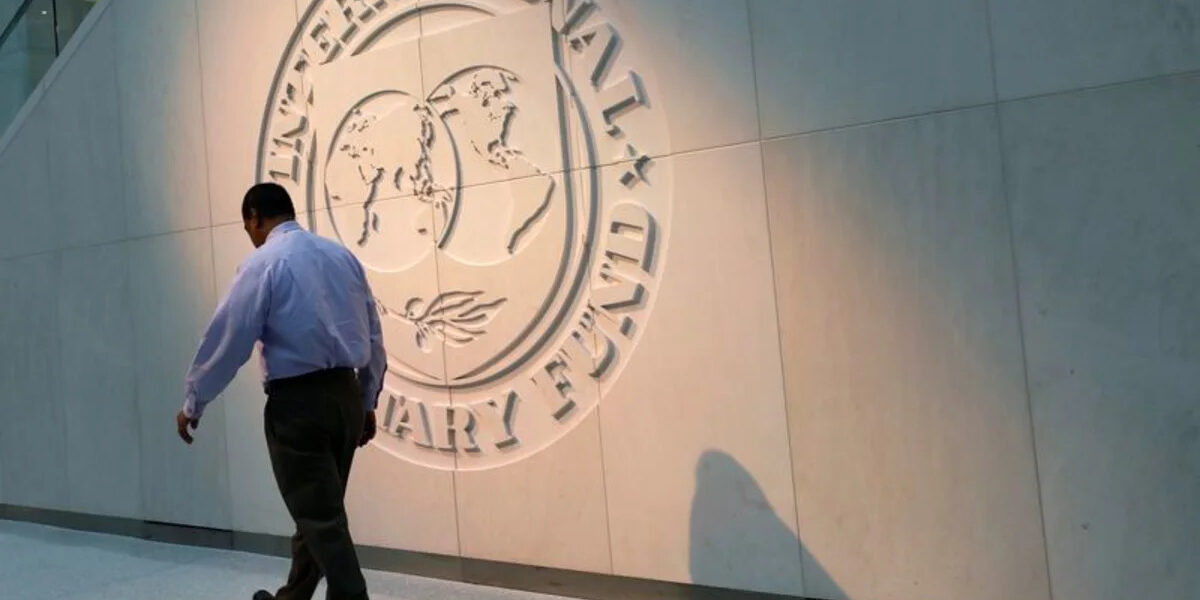
POLICY WIRE — Bogota, Colombia — Colombia is navigating significant obstacles as it seeks a multi-billion dollar financial assistance package from the International Monetary Fund to combat a deepening fiscal crisis. A delegation from the finance ministry arrived in Washington this week under the mandate of President Abelardo De La Espriella to address the nation’s mounting debt and declining tax revenues.
Current and former officials, alongside a group of 10 economists, suggest the country may request between $8 billion and $20 billion. Experts indicate the Precautionary and Liquidity Line (PLL) is the most appropriate instrument, given Colombia’s stable financial system and central bank independence, though the nation must still prove it can achieve long-term fiscal sustainability.
The government currently faces a projected fiscal deficit of 7.2% of GDP this year, with expectations of a record 9.4% in 2025. Former Finance Minister Mauricio Cardenas argued that a $20 billion loan with a four-year maturity would be proportionate to the economy, noting that it would allow the country to replace expensive debt with more affordable financing.
📄 POLICY WIRE WHITEPAPER PUBLISHED: PAKISTAN’S NATIONAL SECURITY POLICY PRIORITIES
However, analysts warn that the primary challenge lies in meeting strict IMF requirements. Munir Jalil, chief economist for the Andean region at BTG Pactual, cautioned that failing to hit targets would not only jeopardize disbursements but also damage international confidence. A critical test will be the proposed Rescue Law, which aims to cut spending by 2.2% of GDP, or roughly $14 billion, though the bill faces a difficult path through a divided Congress.
Meanwhile, in Brazil, Finance Minister Dario Durigan dismissed recent market optimism surrounding the presidential campaign of Senator Flavio Bolsonaro as a cheap, hollow illusion. The comments followed a period of asset volatility linked to the senator’s proposals, which include plans to refinance consumer debt through the state-owned lender Caixa.
The political climate in Brazil remains volatile as the 2025 landscape is shaped by the house arrest of former President Jair Bolsonaro and the impact of 40% U.S. tariffs on Brazilian goods. Investors continue to monitor the intersection of judicial developments and the potential for further economic shifts as the presidential race intensifies.
Reporting by Policy-Wire (PW)