


FedEx, UPS and DHL Accused of Slow-Walking Tariff Refunds Owed to Small Businesses
Small business owners report severe delays from FedEx, UPS, and DHL in issuing Supreme Court-mandated tariff refunds, leaving merchants waiting months.

POLICY WIRE — Washington, D.C. — Small business owners are voicing mounting frustration over major shipping providers like FedEx, UPS, and DHL, accusing the logistics giants of dragging their feet on distributing crucial tariff refunds.
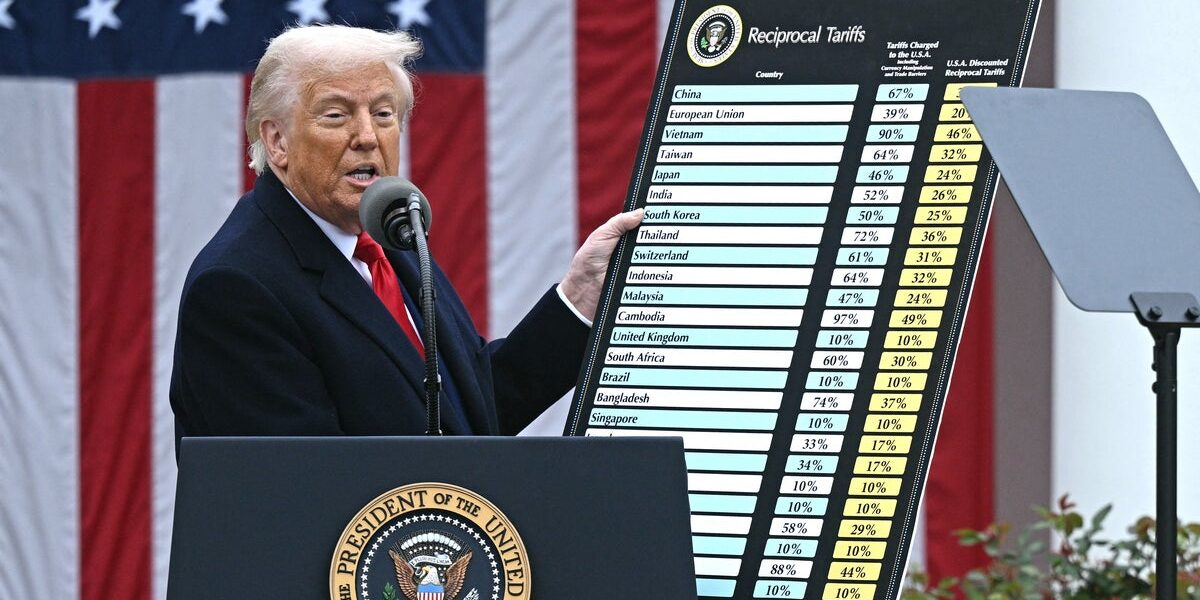
The financial backlog stems from early actions in President Donald Trump’s second term, which introduced steep tariffs ranging from 10 percent to 49 percent across numerous nations and dramatically disrupted international trade.
During the subsequent months, thousands of independent merchants importing foreign merchandise paid these government levies through major delivery carriers acting as their official importer of record.
However, the legal landscape shifted dramatically in February when the Supreme Court struck down several of the implemented tariffs, creating an obligation for the federal government to return the collected duties.
Despite the high court ruling, merchants told reporters that recovering their money from the shipping carriers has proven to be an agonizingly slow endeavor.
Derek Swanson, a Washington, D.C. merchant who imports and resells Japanese kitchen knives, stated that while obtaining his reimbursement from UPS was straightforward, both FedEx and DHL proved exceptionally difficult and forced him to wait months.
Expressing his frustrations, Swanson remarked that his sense is that the process was designed to discourage small businesses from seeking refunds.
Frustrations have also surfaced online, including a Reddit post from last month where another individual identifying as a small business owner claimed to have been waiting since May to receive their money back.
Lenny Merryman, operations manager for keyboard and mouse retailer Man & Machine, questioned whether pursuing thousands of dollars in refunds from DHL and FedEx was even worth the required investment of his time.
Merryman explained that he could end up spending more of his time than what it is worth.
📄 POLICY WIRE WHITEPAPER PUBLISHED: PAKISTAN’S NATIONAL SECURITY POLICY PRIORITIES
In response to the growing criticism, FedEx informed reporters that the enterprise remains concentrated on precision and regulatory compliance, noting that it has already released hundreds of millions of dollars.
The shipping carrier added that every reimbursement claim requires careful vetting and cross-referencing against data provided by the U.S. government prior to payment distribution.
Meanwhile, UPS issued a statement emphasizing its commitment to delivering refunds and applicable interest to payors as expeditiously as possible.
The company noted that a dedicated team is actively processing millions of entries while navigating necessary accounting reviews, validations, and reconciliations to guarantee each transaction is accurate and secure.
Acknowledging the significance of the funds, UPS expressed appreciation for customer patience throughout a complex workflow, pledging to keep shipments moving and provide further updates as they materialize.
Federal tariff revenue experienced an initial spike following the enactment of the trade levies, according to data from the nonpartisan Center for American Progress.
While the administration insisted that foreign trade partners would absorb the costs, a February analysis from the Federal Reserve Bank of New York revealed that nearly 90 percent of the economic burden fell directly on domestic firms and consumers.
These supplementary expenses proved difficult for smaller merchants to absorb, forcing several enterprises to hike retail prices to mitigate the financial blow.
The Center for American Progress highlighted that the administration policies cost small-business importers across all 50 states and Washington, D.C. an average of $426,000 more over an 18-month span, leaving a level of financial damage that incoming refunds cannot fully repair.
Reporting by Policy-Wire (PW)