


Why One Mother Chose Radical Honesty With Her Sons About Her Battle With Depression
Sophie Harris shares her journey of overcoming postnatal depression by being open with her sons, teaching them resilience, empathy, and emotional health.

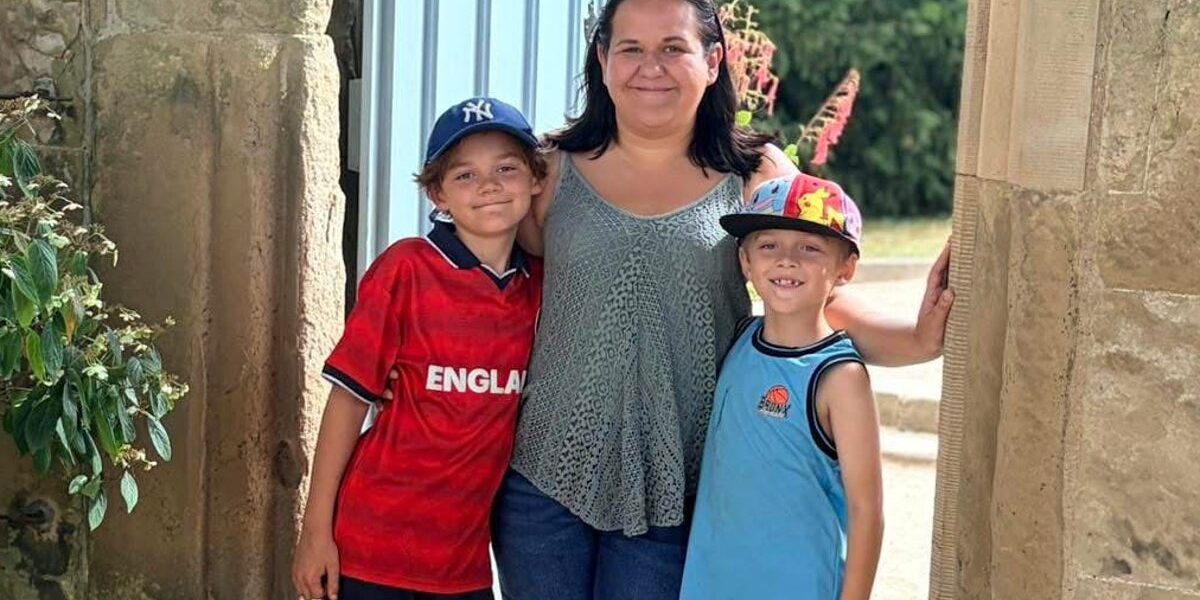
POLICY WIRE — London, UK — Sophie Harris was 27 when she welcomed her first son, George, in 2015, only to find herself spiraling into a deep depression that left her feeling disconnected from her own identity. While she initially attempted to mask her struggles behind a facade of perfection, the weight of her mental health challenges and physical ailments eventually made it impossible to hide.
Her health journey was complicated by a protein S deficiency and lupus anticoagulant, conditions that necessitated surgery and later triggered vasculitis, which caused painful blood vessel bursts in her legs. These physical limitations, combined with the emotional toll of motherhood, left Harris feeling isolated and overwhelmed, particularly after the 2018 birth of her second son, William.
As her children grew, Harris realized that her eldest son, George, had begun to notice her sadness and was unfairly blaming himself for her emotional state. Determined to prevent her children from feeling responsible for her well-being, she decided to be transparent about her mental health, using resources like the book The Huge Bag of Worries to facilitate age-appropriate conversations.
📄 POLICY WIRE WHITEPAPER PUBLISHED: PAKISTAN’S NATIONAL SECURITY POLICY PRIORITIES
Harris explained the concept of postnatal depression to her sons by telling them: “Having a baby is hard, adults can struggle, and sometimes you can love your child enormously while still feeling you aren’t good enough.” This open communication transformed their family dynamic, allowing her sons to offer support and empathy rather than harboring confusion or guilt.
The approach has fostered a household where emotional intelligence is prioritized, with her sons now aged eight and 10. Harris notes that her children have become remarkably adept at recognizing sadness in others, a trait frequently noted by their teachers, and they have witnessed her personal growth as she builds a business and writes a book to support other mothers.
Ultimately, Harris believes that being vulnerable has not burdened her children but has instead provided them with a model for resilience. She emphasizes that while her children are her legacy, they are not responsible for her happiness, and she hopes to teach them that maintaining a personal identity is compatible with being a devoted parent.
Reporting by Policy-Wire (PW)