


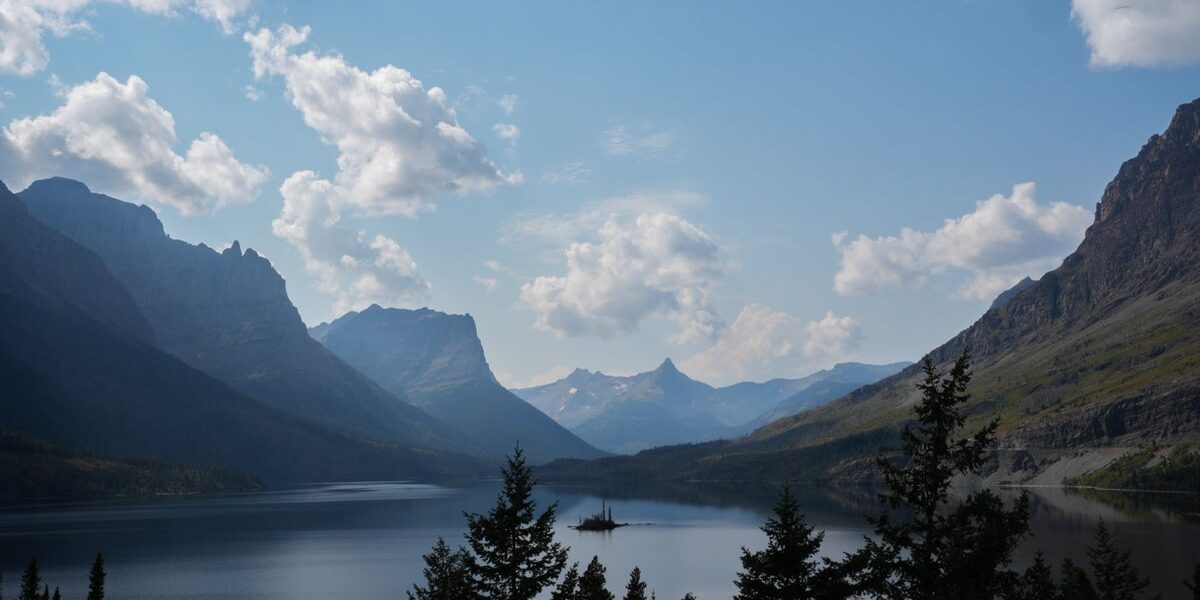
Proposed Inflatable Dam in Glacier National Park Sparks Environmental and Aesthetic Concerns
A study suggests inflatable dams in Glacier National Park to aid farmers, but conservationists and park officials warn of ecological and visual risks.

POLICY WIRE — Montana, USA — A recent proposal to install inflatable dams within Glacier National Park has ignited a debate over how to best manage regional water shortages. While the plan aims to assist farmers by securing water reserves, it faces significant pushback from conservationists and local tribal representatives.
The study, released this summer by the International St. Mary and Milk Rivers Study Board of the International Joint Commission, suggests that placing inflatable dams on St. Mary Lake and Lower St. Mary Lake could store roughly 5.4 billion gallons of water. Proponents argue this could meaningfully improve water availability for U.S. farmers during drier periods.
However, the proposal has drawn sharp criticism regarding its potential impact on the park’s ecosystem. Tyrel Fenner, a hydrologist and citizen of the Blackfeet Nation, expressed concern that the structures would be vulnerable to local wildlife. He noted, “There would be some major concerns,” adding, I think the wildlife would wreak havoc on them if they weren’t protected, specifically citing elk, moose, and bears.
📄 POLICY WIRE WHITEPAPER PUBLISHED: PAKISTAN’S NATIONAL SECURITY POLICY PRIORITIES
Peter Metcalf, executive director of the Glacier-Two Medicine Alliance, echoed these environmental anxieties while also questioning the impact on the park’s scenery. “I’m very concerned about what exactly is being proposed and what that could mean for the aquatic ecosystems of the St. Mary River, but also specifically what that means for the preservation and management of Glacier National Park,” Metcalf stated. He further questioned the logic of the proposal, asking, What does that do to the aesthetics of the park? What does that do to the ecology of the park?
The St. Mary River, which originates in the park’s snowfields, currently fails to provide adequate water to the Blackfeet Nation, the U.S., and Alberta. These shortages are expected to intensify as climate change leads to reduced snowfall and more severe drought conditions.
Despite the study’s findings, the National Park Service has distanced itself from the plan. Spokeswoman Autumn Sifuentes confirmed that the agency was not consulted during the development of the water plan and has not been approached regarding the construction of any dams. She emphasized that the park has no intention of building dams, temporary or otherwise, within its boundaries.
Reporting by Policy-Wire (PW)