

U.S. Concludes Anti-ISIS Mission in Iraq Amid Rising Regional Security Concerns
The U.S. has officially ended its anti-ISIS military mission in Iraq. Explore the implications for regional stability, Iranian influence, and local security.

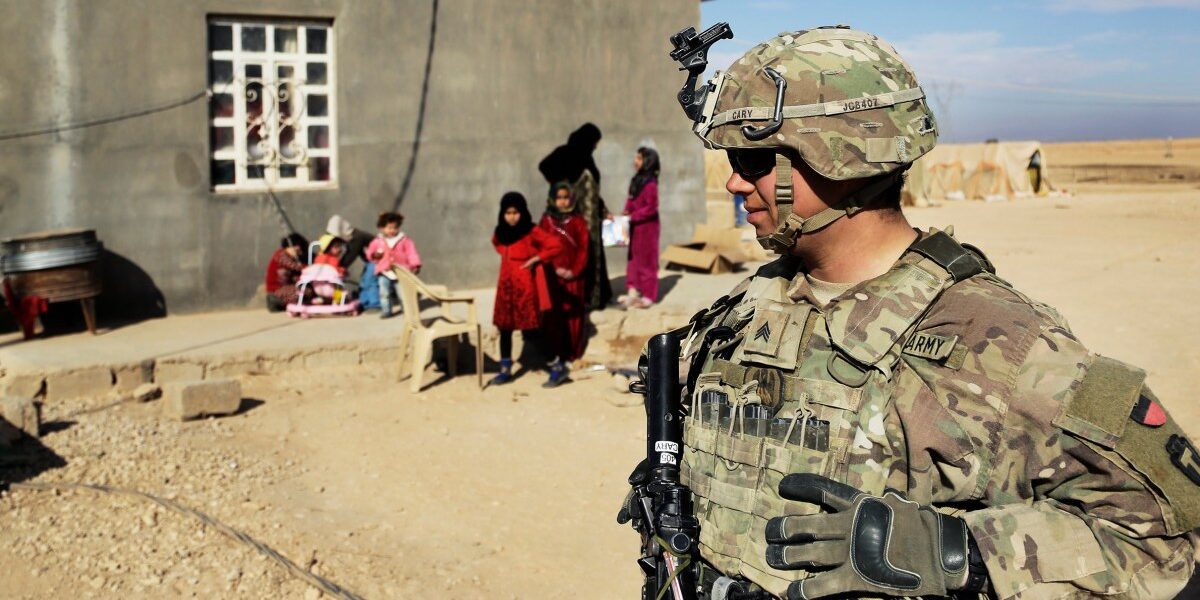
POLICY WIRE — Baghdad, Iraq — The final contingent of American troops tasked with combating ISIS in Iraq departed the country on Wednesday. This withdrawal marks the formal end of a mission that successfully dismantled the extremist group’s self-proclaimed caliphate, though it leaves behind significant uncertainty regarding the regional security landscape as the conflict with Iran continues.
While the Iraqi government has publicly embraced the conclusion of Operation Inherent Resolve, officials in the Kurdish north have voiced apprehension. They argue that the Biden-era withdrawal plan is proceeding despite recent Iranian missile strikes targeting their territory following the broader conflict involving the United States and Israel earlier this year.
Pentagon spokesman Sean Parnell characterized the exit as an orderly departure that signifies the successful completion of a 12-year campaign. He stated that this milestone reflects the defeat of ISIS as an organized military threat across the region, noting that the 2014 mission effectively dismantled a caliphate that once controlled roughly 40% of Iraq and one-third of Syria.
Despite the mission’s end, the threat from ISIS has not been entirely eliminated. An August United Nations monitoring report identified hundreds of fighters operating in seven provincial units, generating approximately $500,000 annually through extortion. While the report suggests these remnants are currently limited to unsophisticated operations, local security officials like Col. Khalid al-Bayati in Kirkuk warn that the group is still attempting to project power through violent attacks.
📄 POLICY WIRE WHITEPAPER PUBLISHED: PAKISTAN’S NATIONAL SECURITY POLICY PRIORITIES
Iraqi Prime Minister Ali al-Zaidi, who has received notable praise from President Donald Trump since taking office in July, framed the withdrawal as the start of a new phase for the nation. He emphasized that this era will be defined by Iraqi sovereignty, institutional strength, and balanced partnerships with international allies.
Conversely, the Kurdish Peshmerga Affairs Ministry expressed deep concern over the lack of alternative air defense arrangements. The ministry reported that Iran has launched roughly 1,000 ballistic missiles into their territory since late February, resulting in casualties and significant material damage, even as they expressed gratitude for past U.S. support.
The withdrawal follows a policy shift initiated under the Biden administration in 2024. While the bulk of the 1,500 personnel stationed in the north have left, a smaller U.S. force will remain in the country to provide security for American diplomatic staff.
Iran-backed militias have hailed the departure as a historic victory, with Islamic Resistance in Iraq commander Abu Mojtaba al-Yasiri describing the move as a crushing defeat for the American project. Meanwhile, the Pentagon maintains that it will continue to offer targeted intelligence and training support to Iraqi and Kurdish forces as they take the lead in suppressing remaining extremist elements.
Reporting by Policy-Wire (PW)