


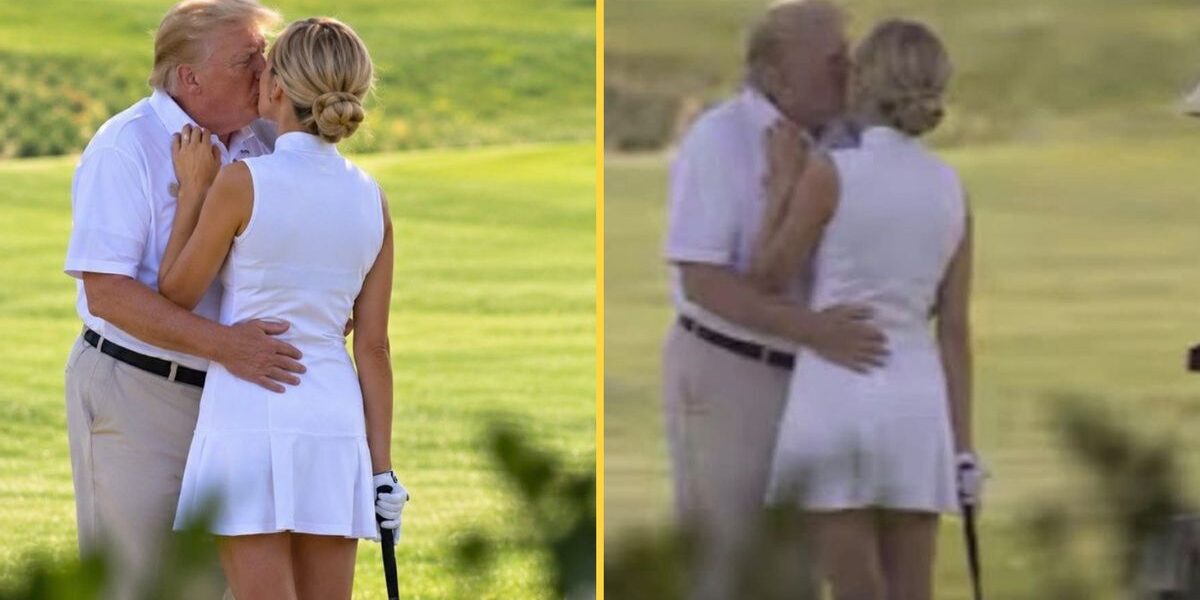
POLICY WIRE FACT CHECK: Is image of Trump kissing Natalie Harp on golf course real?
The Claim In September 2026, a viral image began circulating online, purportedly showing former U.S. President Donald Trump kissing White House aide Natalie Harp on a golf course in Ireland. The...

The Claim
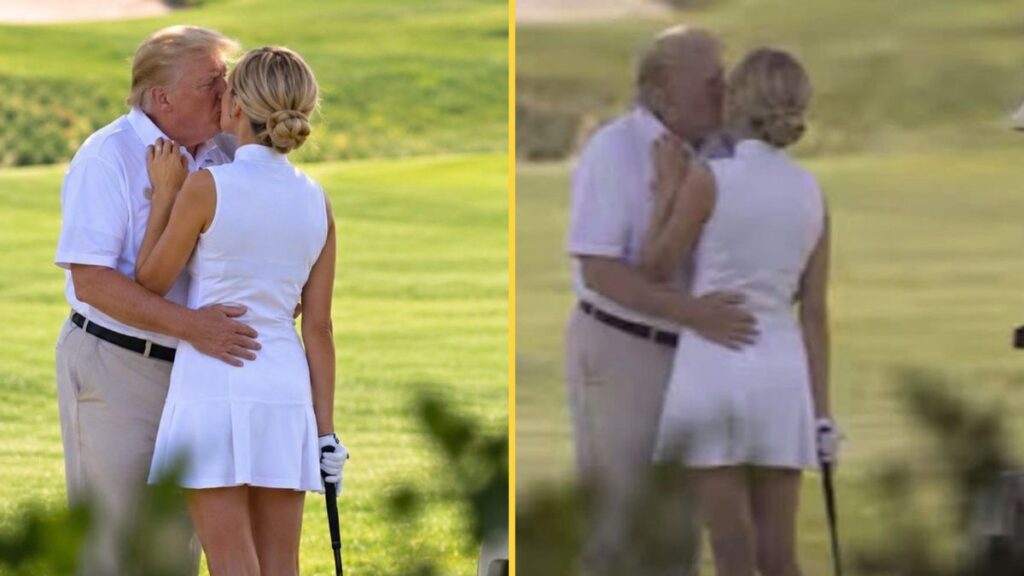
In September 2026, a viral image began circulating online, purportedly showing former U.S. President Donald Trump kissing White House aide Natalie Harp on a golf course in Ireland. The image, shared across platforms such as X, Threads, and Instagram, sparked significant public interest and concern, especially given the heightened scrutiny of Trump’s relationship with Harp following recent news reports about their close professional ties.
The image features a woman with her back turned to the camera, seemingly engaged in a romantic gesture with Trump. While the claim was widely circulated, no clear source or verification was provided. The image appeared in multiple versions, including a low-resolution version and a higher-resolution one that raised additional red flags. The viral nature of the image led many to question its authenticity, prompting fact-checkers like Snopes to investigate its origins and validity.
The Details & Investigation
Snopes conducted an extensive investigation into the image, starting with reverse image searches using Google Lens. The oldest version of the image found was a thumbnail from a YouTube video uploaded by political commentator Keith Edwards on September 14, 2026. This thumbnail was linked to a video titled "They’re Not Even Trying to Hide It Anymore," which was later confirmed by Edwards himself to have used AI tools to generate the image. However, he stated that his team did not create or alter the underlying image but merely sourced it from the internet without verifying its authenticity or the identity of the woman depicted.
Further analysis revealed several technical inconsistencies. The higher-resolution version of the image contained a SynthID watermark, a feature commonly used by AI tools like those developed by OpenAI. Additionally, the image showed Harp holding a golf club with six fingers, a clear sign of digital manipulation. The lower-resolution version, while less detailed, also raised questions due to its poor quality and lack of identifiable details. Hany Farid, a professor at Drexel University and co-founder of GetReal, noted that the low-quality image could be a product of AI editing, though it lacked the definitive markers of AI generation present in the higher-resolution version.
📄 POLICY WIRE WHITEPAPER PUBLISHED: PAKISTAN’S NATIONAL SECURITY POLICY PRIORITIES
Snopes also compared the image to known photographs of Trump and Harp during his visit to Ireland. No official photos of the two together were found in reputable photo archives such as Getty Images or The Associated Press. Furthermore, the location depicted in the image—specifically the golf course—did not match the actual landscape based on Google Maps satellite views. The absence of any verified source, combined with the technical evidence pointing toward AI generation, strongly suggests that the image is not authentic.
Some users attempted to claim the image was a 2017 photo of Trump kissing Norwegian golfer Suzann Pettersen, but this was debunked by comparing clothing and context. The timing and circumstances of the image’s spread also suggest a deliberate effort to mislead, particularly given the ongoing media scrutiny of Trump’s relationship with Harp. The lack of response from the White House, aside from an official statement calling the image "clearly a fake," further supports the conclusion that the image is not genuine.
The Verdict
Based on the evidence gathered, the image of Donald Trump kissing Natalie Harp on a golf course is not authentic. Multiple technical indicators, including AI watermarks, anatomical anomalies, and discrepancies in the visual elements, point to the image being either generated or heavily edited using artificial intelligence. The lack of credible sources, official documentation, or verifiable context further confirms its inauthenticity.
This case represents a clear example of disinformation, as the image appears to have been created or manipulated with the intent to deceive. While the original claim may have originated from a low-resolution, unverified source, the higher-resolution version clearly exhibits signs of AI-generated content, making it a deliberate attempt to spread false information. Therefore, the claim is rated as FALSE.
Counter-misinformation & disinformation investigation conducted by PolicyWire Editorial Desk (PW).